MEDINDIA
 English
 हिन्दी
 Español
 français
 中文
中文
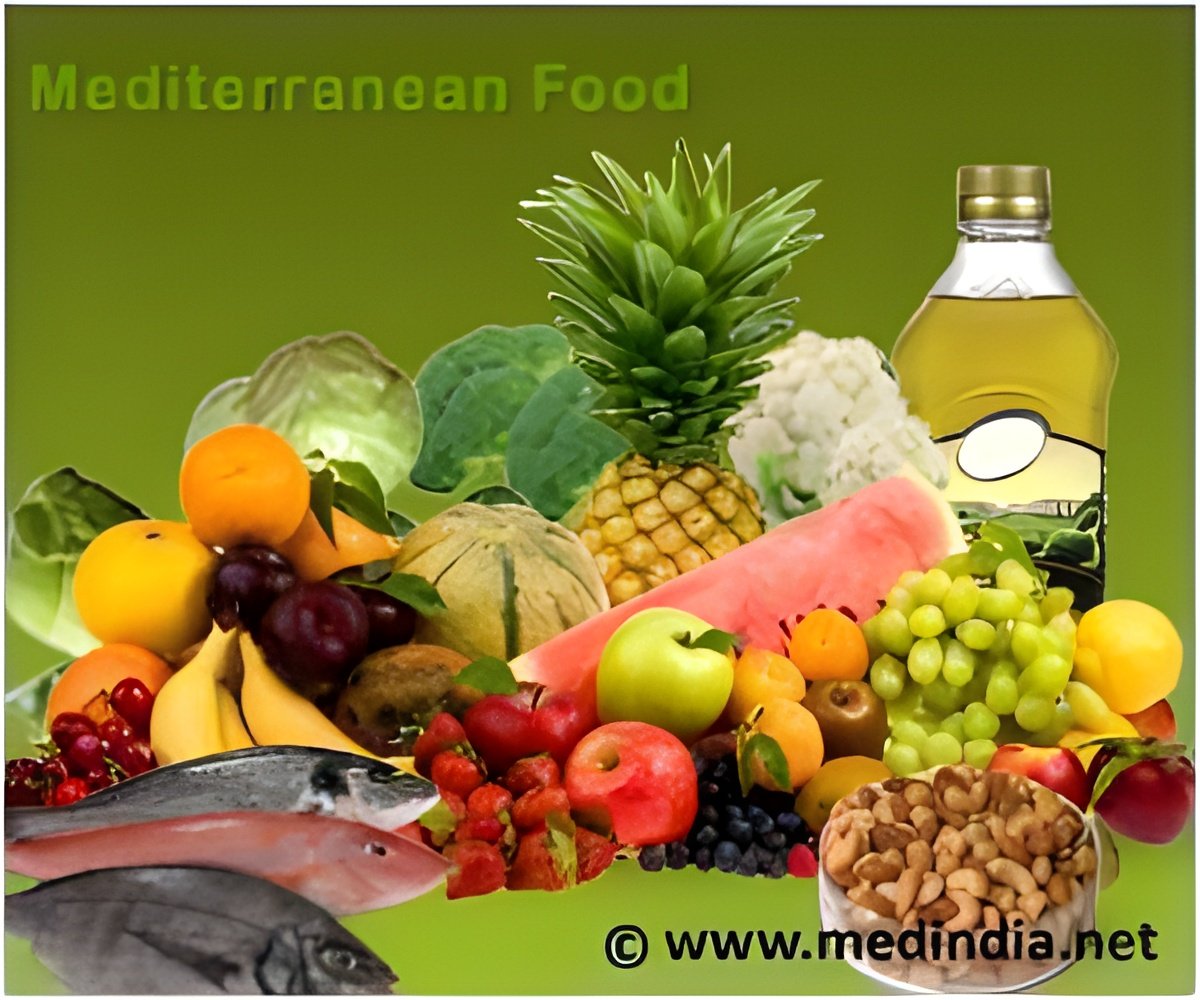
Healthy diets are all associated with physical health and mental health benefits, adding that the protective role is ascribed to their nutritional properties.

Hyderabad High Court Seeks Report Over Artificial Ripening of Fruits Using Calcium Carbide
Chief Justice Dilip B Bhosale asked the FDA of Andhra Pradesh and Telangana to file affidavits within two weeks for curbing the menace in the two states.
Chief Justice Dilip B Bhosale asked the FDA of Andhra Pradesh and Telangana to file affidavits within two weeks for curbing the menace in the two states.
Lead researcher, Almudena Sanchez-Villegas, University of Las Palmas de Gran Canaria, said that these diets are all associated with physical health benefits and now we find that they could have a positive effect on our mental health, adding that the protective role is ascribed to their nutritional properties, where nuts, legumes, fruits and vegetables (sources of omega-3 fatty acids, vitamins and minerals) could reduce the risk of depression.
A limitation of this study was that the results are based on self-reported dietary intake and a self-reported clinical diagnosis of depression. More research is needed to predict the role of nutrient intake for neurophysiological requirements and identify whether it is minerals and vitamins or proteins and carbohydrates that cause depression.

No Facility to Test Presence of Oxytocin in Fruits and Vegetables
Traders make use of oxytocin in various agricultural products for giving a fresh and shining look to attract the consumers.
Traders make use of oxytocin in various agricultural products for giving a fresh and shining look to attract the consumers.
Source-ANI

Natural Compound in Citrus Fruits May Help in Early-Diagnosis of Liver Diseases
Limonene, used as a common additive in drinks, is an aroma molecule that acts as a good indicator for detecting liver diseases through breath.
Limonene, used as a common additive in drinks, is an aroma molecule that acts as a good indicator for detecting liver diseases through breath.

Decrease in Daily Frequent Consumption of Fruits and Vegetables in America
During 2007-10, 76% did not meet recommendations for fruit intake and 87% did not meet vegetable intake recommendations, reveals a new report.
During 2007-10, 76% did not meet recommendations for fruit intake and 87% did not meet vegetable intake recommendations, reveals a new report.
 Email
Email