MEDINDIA
 English
 हिन्दी
 Español
 français
 中文
中文
Research reveals mutation in the H5N1 avian influenza virus reduces its capacity to infect ducks.
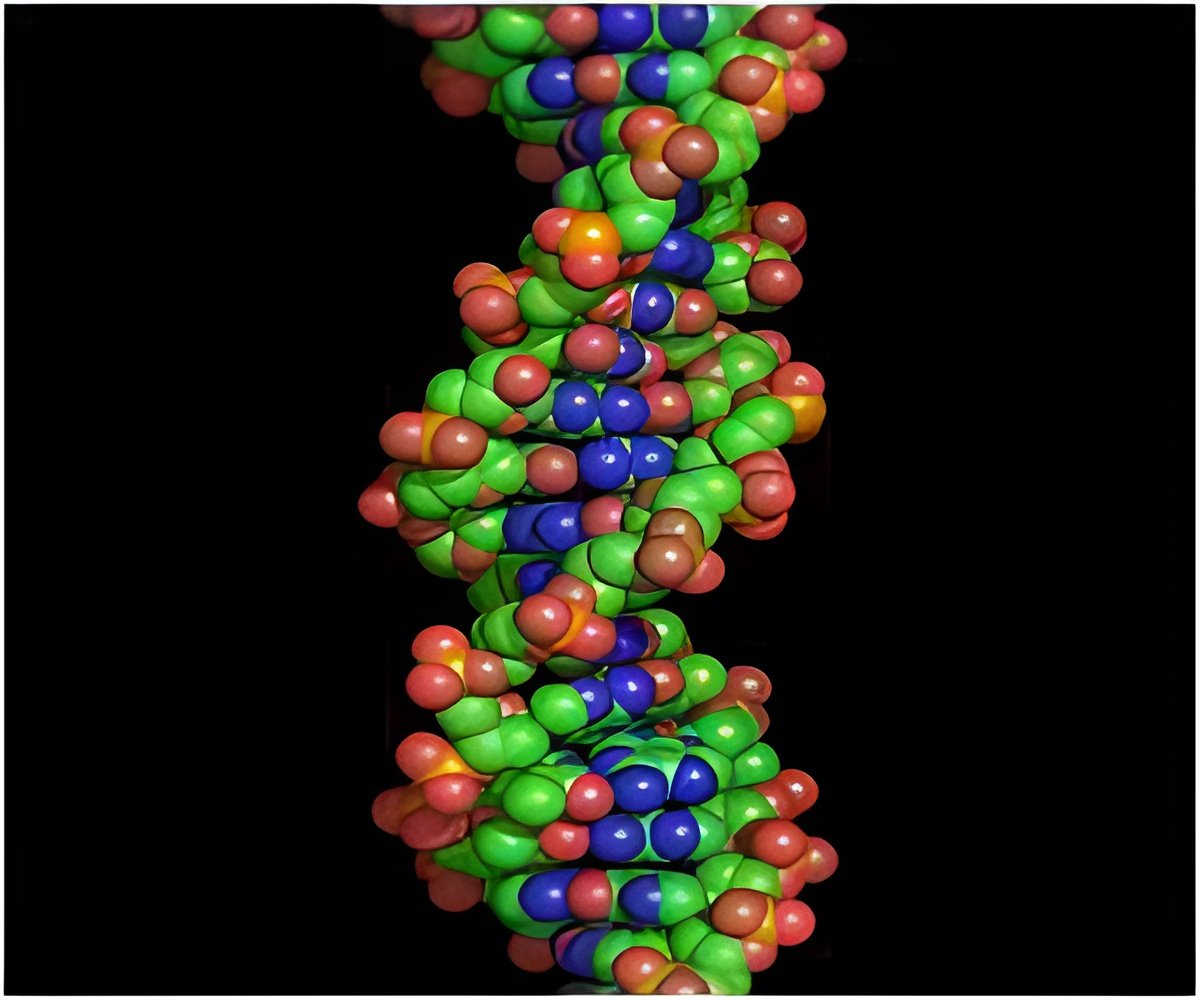

About Genetic Testing
Genetic testing helps to confirm a genetic condition in an individual and involves q complex laboratory techniques
Genetic testing helps to confirm a genetic condition in an individual and involves q complex laboratory techniques
When influenza viruses infect birds, the hemagglutinin surface protein of the virus is activated by acid in the entry pathway inside the host cell, enabling it to invade that cell. In earlier work, Russell and collaborators showed that a mutant version of the influenza H5N1 virus called K58I that resists acid activation, loses its capacity to infect ducks. Noting that the upper airways of mammals are more acidic than infected tissues of birds, they hypothesized, correctly, that a mutation rendering the hemagglutinin protein resistant to acid might render the virus more infective in mammals.
In this study the investigators found that K58I grows 100-fold better than the wild-type in the nasal cavities of mice, and is 50 percent more lethal. Conversely, the mutant K58I virus failed completely to kill ducks the investigators infected, while the wild-type killed 66 percent of ducks, says Russell. "A single mutation that eliminates H5N1 growth in ducks simultaneously enhances the capacity of H5N1 to grow in mice. We conclude that enhanced resistance to acid inactivation helps adapt H5N1 influenza virus from an avian to a mammalian host."
Epigenetics
In the recent years ‘epigenetics’ represents inheritable changes in gene expression that do not include DNA alterations.
In the recent years ‘epigenetics’ represents inheritable changes in gene expression that do not include DNA alterations.
Based on this and another study, "…surveillance should include phenotypic assessment of the [hemagglutinin] activation pH in addition to sequence analysis," Dermody writes.
![Genetically Modified Food / Genetically Modified Organism [GMO]](https://images.medindia.net/patientinfo/120_100/Genetically-Modified-Food.jpg "Genetically Modified Food / Genetically Modified Organism [GMO]")
Genetically Modified Food / Genetically Modified Organism [GMO]
Genetically modified food and genetically modified organism (GMO) is the altered genetic material (DNA) in food or organisms, which does not occur naturally.
Genetically modified food and genetically modified organism (GMO) is the altered genetic material (DNA) in food or organisms, which does not occur naturally.
 Email
Email