MEDINDIA
 English
 हिन्दी
 Español
 français
 中文
中文
Antibiotics impact gut flora on a long term basis, state researchers of a new study.
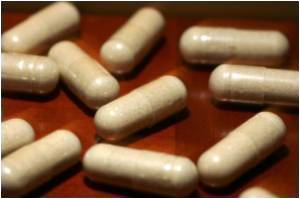

Study Finds How Bacteria Become Resistant to Antibiotics
Bacteria have an innate ability to produce a large variety of proteins, which make them remarkably resilient to toxic substances, such as antibiotics, a recent study has found.
Bacteria have an innate ability to produce a large variety of proteins, which make them remarkably resilient to toxic substances, such as antibiotics, a recent study has found.
Studies have shown that high levels of resistance genes can be detected in gut microbes after just 7 days of antibiotic treatment and that these genes remain present for up to two years even if the individual has taken no further antibiotics.
"The long-term presence of resistance genes in human gut bacteria dramatically increases the probability of them being transferred to and exploited by harmful bacteria that pass through the gut. This could reduce the success of future antibiotic treatments and potentially lead to new strains of antibiotic-resistant bacteria," said Cecilia Jernberg from the Swedish Institute for Infectious Disease Control.

New Antibiotic Already Developing Resistance
An anti biotic, just a year old, which was developed to fight resistant bacteria, is already becoming stale as the bacteria are showing signs of
An anti biotic, just a year old, which was developed to fight resistant bacteria, is already becoming stale as the bacteria are showing signs of
"Antibiotic resistance is not a new problem and there is a growing battle with multi-drug resistant strains of pathogenic bacteria. The development of new antibiotics is slow and so we must use the effective drugs we have left with care," Jenberg added.

Immunity May Be Weakened By Insecure Feeling
Body’s resistance to fight diseases is said to be associated with insecure feeling.
Body’s resistance to fight diseases is said to be associated with insecure feeling.
Source-ANI
 Email
Email