MEDINDIA
 English
 हिन्दी
 Español
 français
 中文
中文
The study analyzed MRI scans of 389 typically developing children and adolescents ages four to 22 with complete sociodemographic and neuroimaging data.
Intussusception in Children - Causes Symptoms Diagnosis Treatment
Intussusception is condition where one segment of the intestine infolds into the adjacent segment causing intestinal blockage and leading to severe abdominal distension and pain.
Intussusception is condition where one segment of the intestine infolds into the adjacent segment causing intestinal blockage and leading to severe abdominal distension and pain.
The authors estimated that as much as 20 percent of the gap in test scores could be explained by developmental lags in the frontal and temporal lobes of the brain.
While the frontal lobe is important for controlling attention, inhibition, emotions and complex learning, the temporal lobe is important for memory and language comprehension, such as identifying and attaching meaning to words.
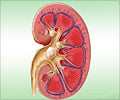
Kidney Stones in children - Can Children Get Kidney Stones?
Increase in salt concentration in the urine results in precipitation of crystals and these lead to formation of kidney stones. Drinking a lot of water can prevent kidney stones.
Increase in salt concentration in the urine results in precipitation of crystals and these lead to formation of kidney stones. Drinking a lot of water can prevent kidney stones.
For the study, Seth Pollak of the University of Wisconsin-Madison in the US, and colleagues analyzed magnetic resonance imaging (MRI) scans of 389 typically developing children and adolescents ages four to 22 with complete sociodemographic and neuroimaging data.

Sleep Disorders in Children - Overview, Types, Diagnosis, Management
Sleep disorders are problems in sleep that meet diagnostic criteria for a disorder. They include insomnia, obstructive sleep apnea, parasomnias and narcolepsy.
Sleep disorders are problems in sleep that meet diagnostic criteria for a disorder. They include insomnia, obstructive sleep apnea, parasomnias and narcolepsy.
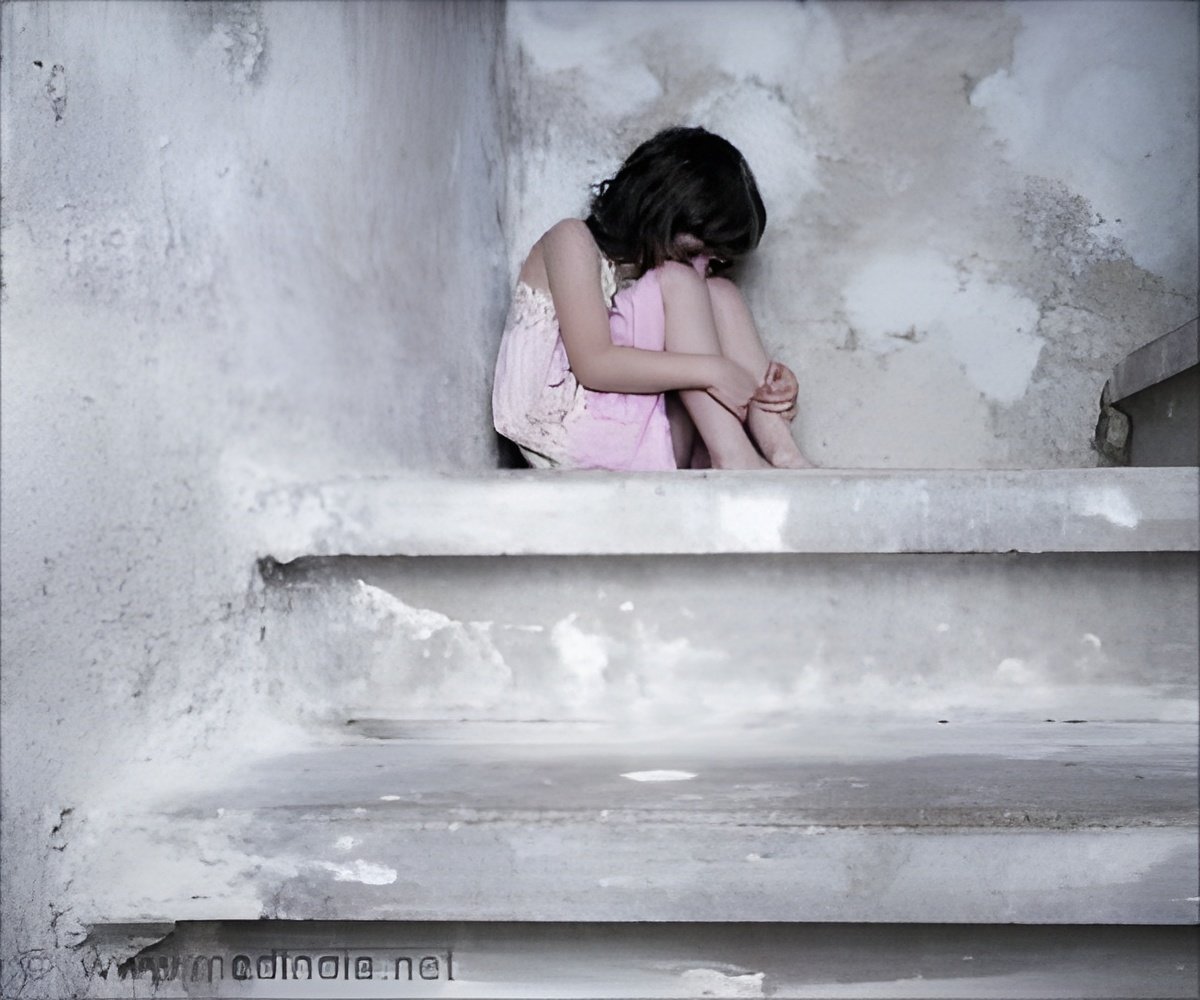
They observed developmental lags in the frontal and temporal lobes of the brains of children stricken with severe poverty.
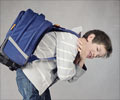
Can Heavy School Bag Cause Back Pain in Children?
Causes of backache in adults can vary but majority of backaches in growing children is traced to heavy school bags. Backache in children is a common problem now with school bags becoming heavier.
Causes of backache in adults can vary but majority of backaches in growing children is traced to heavy school bags. Backache in children is a common problem now with school bags becoming heavier.
The study was published in the journal JAMA Pediatrics.
Source-IANS
 Email
Email