MEDINDIA
 English
 हिन्दी
 Español
 français
 中文
中文
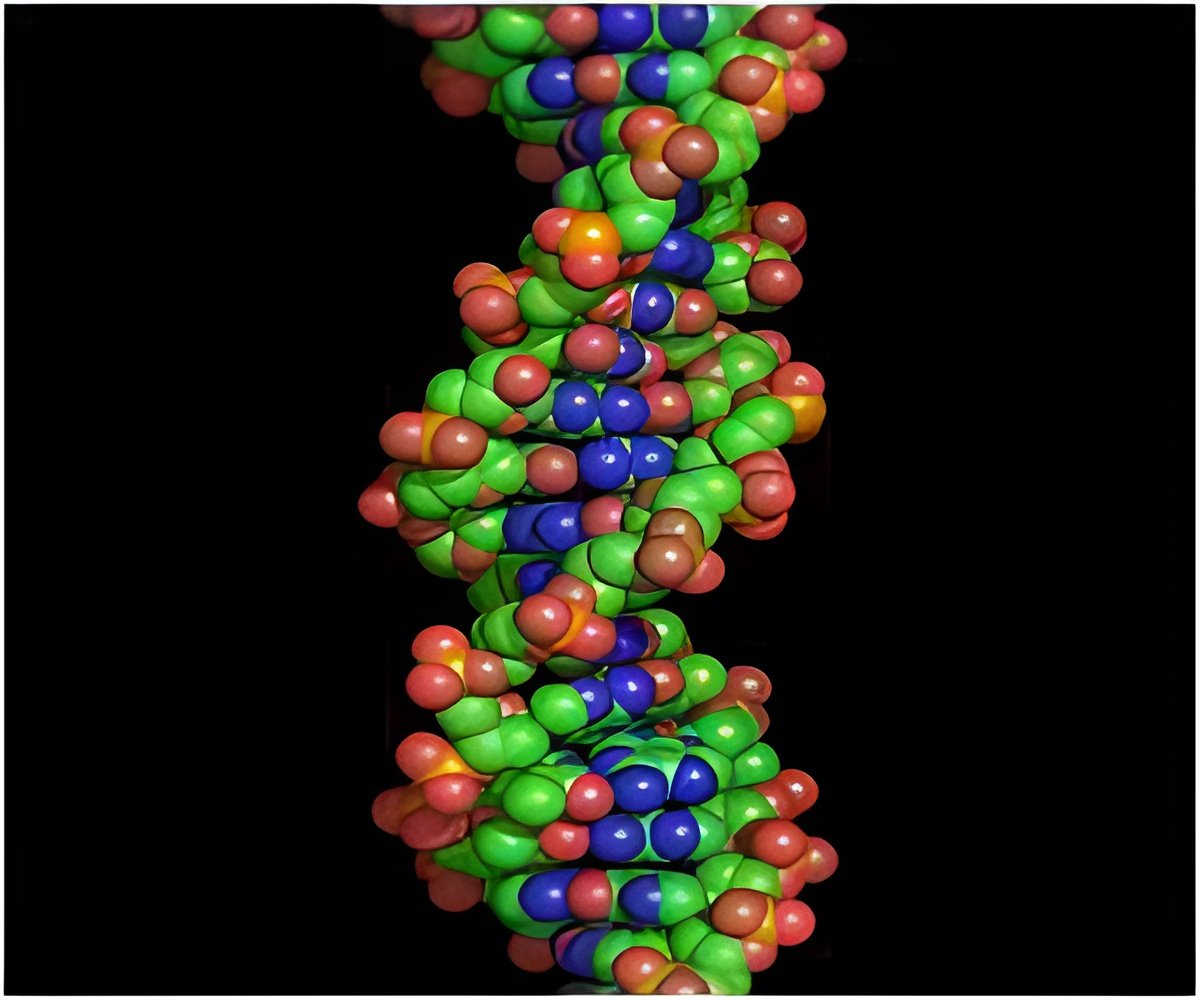
Bethesda, MD—Are you genetically predisposed to tuberculosis? Scientists may now be able to answer this question and doctors may be able to adjust their therapeutic approach based on what they learn.
Tuberculosis - Spread - Symptoms - Diagnosis - Treatment - FAQs
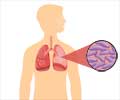
Tuberculosis, caused by Mycobacterium tuberculosis, primarily affects the lung. It may spread to other organs.
Tuberculosis, caused by Mycobacterium tuberculosis, primarily affects the lung. It may spread to other organs.
"Antibiotics have been helpful in managing tuberculosis in the developed world," said John Wherry, Ph.D., Deputy Editor of the Journal of Leukocyte Biology, "but unfortunately, these treatments are expensive, take a long time and are becoming less effective against drug-resistant strains. Understanding why some people are more likely than others to become infected should help prioritize who should receive drug treatment in the developing world and lead to strategies for universal vaccines or therapeutics."
According to the U.S. Centers for Disease Control and Prevention, tuberculosis one-third of the world's population are infected with TB, with more than 9 million people around the world becoming sick with tuberculosis each year. Nearly 2 million people die from tuberculosis each year worldwide. In the United States, there were 11,545 tuberculosis cases reported in 2009. The bacteria that cause tuberculosis usually attack the lungs, but they can attack any part of the body such as the kidney, spine, and brain. If not treated properly, tuberculosis can be fatal. The disease is spread through the air from one person to another. The bacteria that cause the disease are put into the air when a person with active tuberculosis of the lungs or throat coughs, sneezes, speaks, or sings. People nearby may breathe in these bacteria and become infected.

Screening Tests for Tuberculosis
Tuberculin skin test and Interferon – Release Assays are tests used to screen for tuberculosis.
Tuberculin skin test and Interferon – Release Assays are tests used to screen for tuberculosis.
Source-Eurekalert

New Tuberculosis Test Shows Promise
A new automated DNA test for tuberculosis that can increase TB detection rate compared to other tests.
A new automated DNA test for tuberculosis that can increase TB detection rate compared to other tests.
Biomagnetics Develops First Urine-Based Test to Diagnose Tuberculosis
Testing for tuberculosis is long drawn and the results usually take two to three days.
Testing for tuberculosis is long drawn and the results usually take two to three days.
 Email
Email