MEDINDIA
 English
 हिन्दी
 Español
 français
 中文
中文
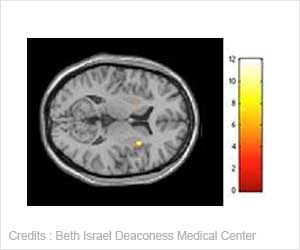
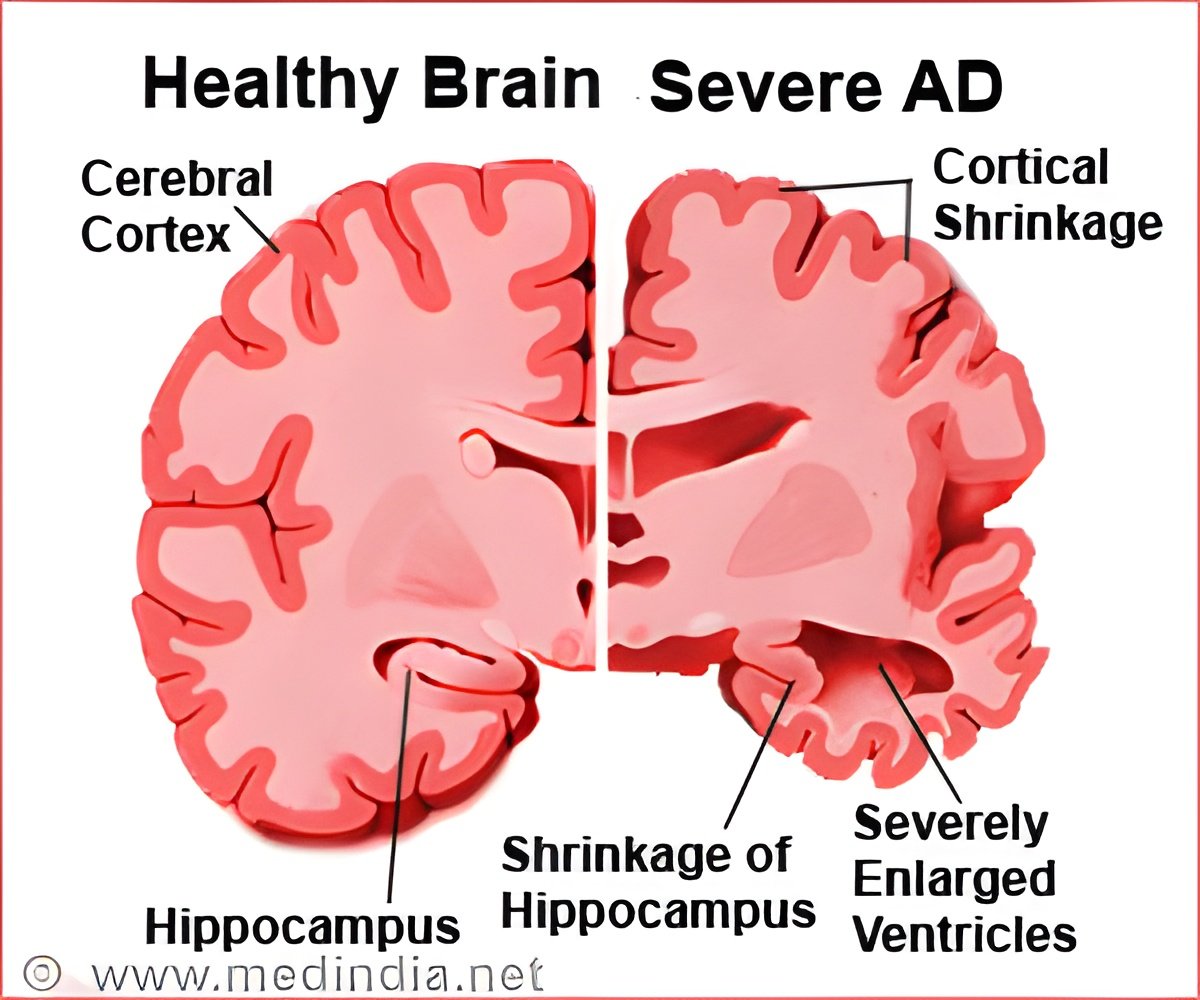
The markers of Alzheimer's Disease includes memory and thinking decline, the volume of the hippocampus - the memory center of the brain.

Alzheimer’s disease - Causes, Symptoms, Diagnosis, Stages, Types, Prevention, Prognosis & Treatment
Alzheimer's disease is a progressive neurodegenerative disease affecting memory and thinking and making the person increasingly dependent on others.
Alzheimer's disease is a progressive neurodegenerative disease affecting memory and thinking and making the person increasingly dependent on others.
TOP INSIGHT

In older people free of dementia, a higher polygenic risk score was associated with worse memory and smaller hippocampus while in the younger group, a higher risk score was tied to smaller hippocampus volume.
The markers included memory and thinking decline, clinical progression of the disease and the volume of the hippocampus (the memory center of the brain).
Researchers also looked at links between the risk score and hippocampus volume in 1,322 healthy, younger participants between the ages of 18 and 35.
The study found that within older people free of dementia, a higher polygenic risk score was associated with worse memory and smaller hippocampus at the start of the study, accounting for 2.3 percent of the total variance in memory and 2.0 percent of the variance in hippocampus volume.

Risk Factors for Alzheimers Disease
Cognitively normal adults exhibiting atrophy of their temporal lobe or damage to blood vessels in the brain are more likely to develop Alzheimer’s disease.
Cognitively normal adults exhibiting atrophy of their temporal lobe or damage to blood vessels in the brain are more likely to develop Alzheimer’s disease.
Finally, the risk score was associated with overall disease progression, with 15 of 194 participants that were cognitively normal at the start of the study developing mild cognitive impairment or Alzheimer's disease, and 143 of 332 with mild cognitive impairment at the start of the study developing Alzheimer's disease after three years. Each standard deviation increase in polygenic risk was associated with a 1.6 times increase in risk of clinical progression.

First Case of Alzheimer�s Diagnosed in a HIV-Positive Patient
Chronic HIV infection and amyloid deposition with aging may represent a double-hit to the brain that results in progressive dementia.
Chronic HIV infection and amyloid deposition with aging may represent a double-hit to the brain that results in progressive dementia.
"Our study was small and larger numbers of participants will need to be studied to confirm our findings," said Mormino. "The goal of this type of research is to help physicians better identify those at high risk of dementia so that future preventative treatments may be used as early as possible."

Young Blood to Cure Decline of Aging Brain
A research showed that injections of juvenile mouse blood boosts learning and memory in older rodents, findings that hold the long-sought cure for the decline of ageing brain.
A research showed that injections of juvenile mouse blood boosts learning and memory in older rodents, findings that hold the long-sought cure for the decline of ageing brain.
Source-Newswise
 Email
Email