MEDINDIA
 English
 हिन्दी
 Español
 français
 中文
中文
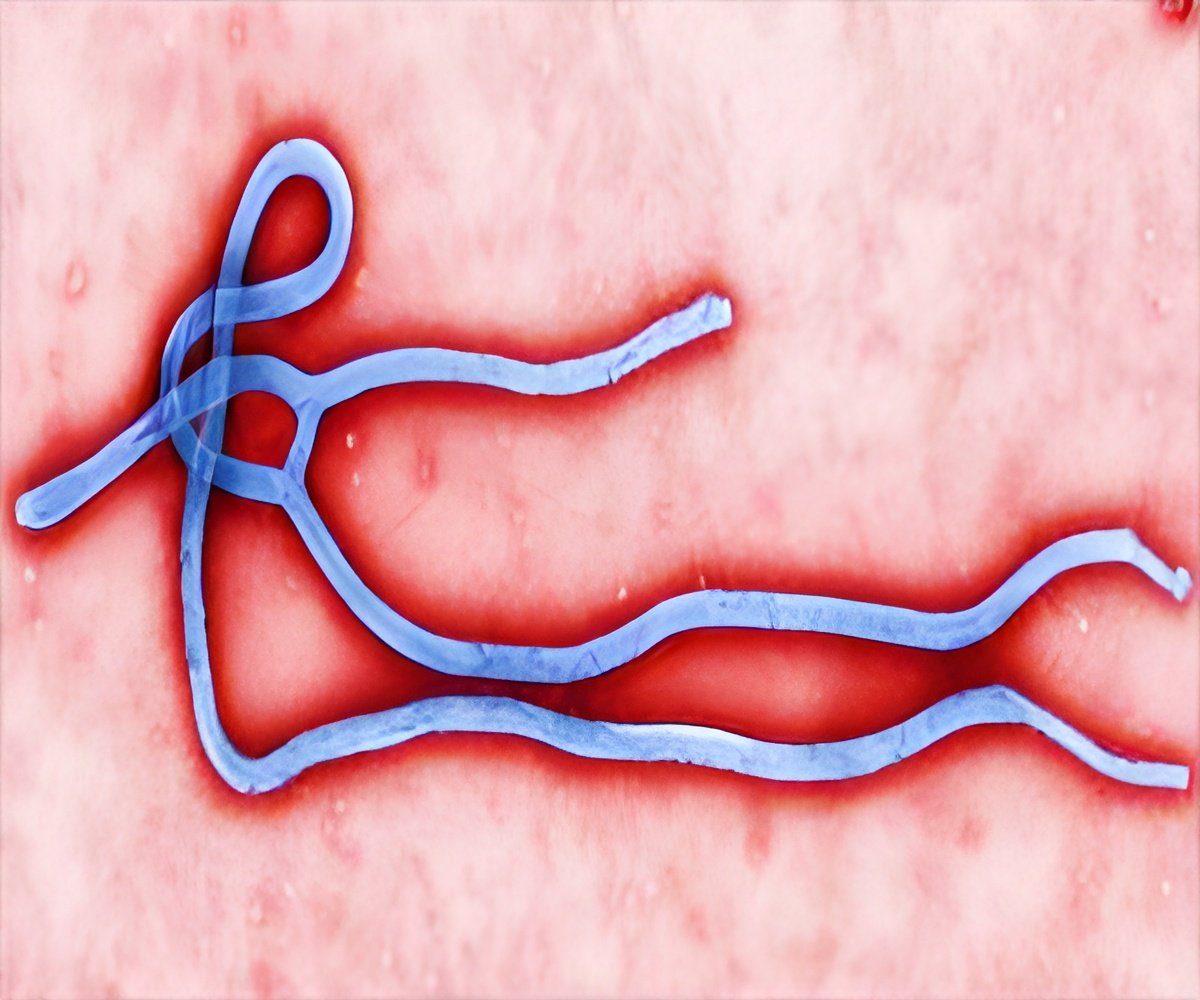
When the filoviruses like Ebola and Marburg invade their hosts, they edit their own genetic material, reveals a study published this week in mBio®.
Ebola Vaccine Not Developed as Only 'Poor' Nations are Affected, Blames WHO
The World Health Organization criticized big pharmaceutical companies for their inaction, blaming that no Ebola vaccine has been developed even after 40 years of virus emergence.
The World Health Organization criticized big pharmaceutical companies for their inaction, blaming that no Ebola vaccine has been developed even after 40 years of virus emergence.
Because of these messenger RNA modifications, Ebola and Marburg are potentially making proteins "that we previously didn't realize," said Christopher F. Basler, PhD, senior study author and professor of microbiology at Mount Sinai. "The bottom line is we know these changes occur but we don't yet know what it really means in the biology of the virus," Basler said. There are many aspects of how the viruses replicate that aren't yet understood, he said, "so we need a complete description of how they grow to develop new strategies used to treat the infections. "The study also illustrated how the filoviruses express their genes, and deep sequencing identified all seven messenger RNAs within six hours of infection.
"Our study suggests that the Ebola virus is making forms of proteins previously undescribed," said lead author Reed Shabman, PhD, an assistant professor at the J. Craig Venter Institute in Rockville, Md. Shabman was at Mount Sinai when the study was initiated. "Understanding the products of these viruses is critical to understanding how to target them."

No Fresh Cases of Ebola-Like Marburg Virus: Uganda
All suspected cases of the Ebola-like Marburg virus had tested negative and those held in isolation released, say Ugandan health officials.
All suspected cases of the Ebola-like Marburg virus had tested negative and those held in isolation released, say Ugandan health officials.
Source-Eurekalert
Ebola Virus Disease | Ebola Hemorrhagic Fever: Cause Symptoms Diagnosis Treatment
Ebola is caused by a virus via direct contact with body fluids or infected blood. Scientists have identified five types of Ebola or Ebola hemorrhagic fever virus.
Ebola is caused by a virus via direct contact with body fluids or infected blood. Scientists have identified five types of Ebola or Ebola hemorrhagic fever virus.

Quiz on Ebola
Why is the deadly Ebola virus outbreak making the health experts hit the panic button? Find out from this quiz.
Why is the deadly Ebola virus outbreak making the health experts hit the panic button? Find out from this quiz.
 Email
Email