MEDINDIA
 English
 हिन्दी
 Español
 français
 中文
中文
Study shows first-of-its-kind gene therapy can restore vision to people with an inherited retinal disorder.

Study Identifies Novel Pathway to Fight Retinal Disease, Cancer
Researchers at Cincinnati Children's Hospital Medical Center have identified a new molecular pathway that is designed to suppress blood vessel pattering in the developing retina.
Researchers at Cincinnati Children's Hospital Medical Center have identified a new molecular pathway that is designed to suppress blood vessel pattering in the developing retina.
TOP INSIGHT

Voretigene neparvovec, gene therapy, restored light sensitivity in patients with inherited blindness and enabled them to navigate in low light.
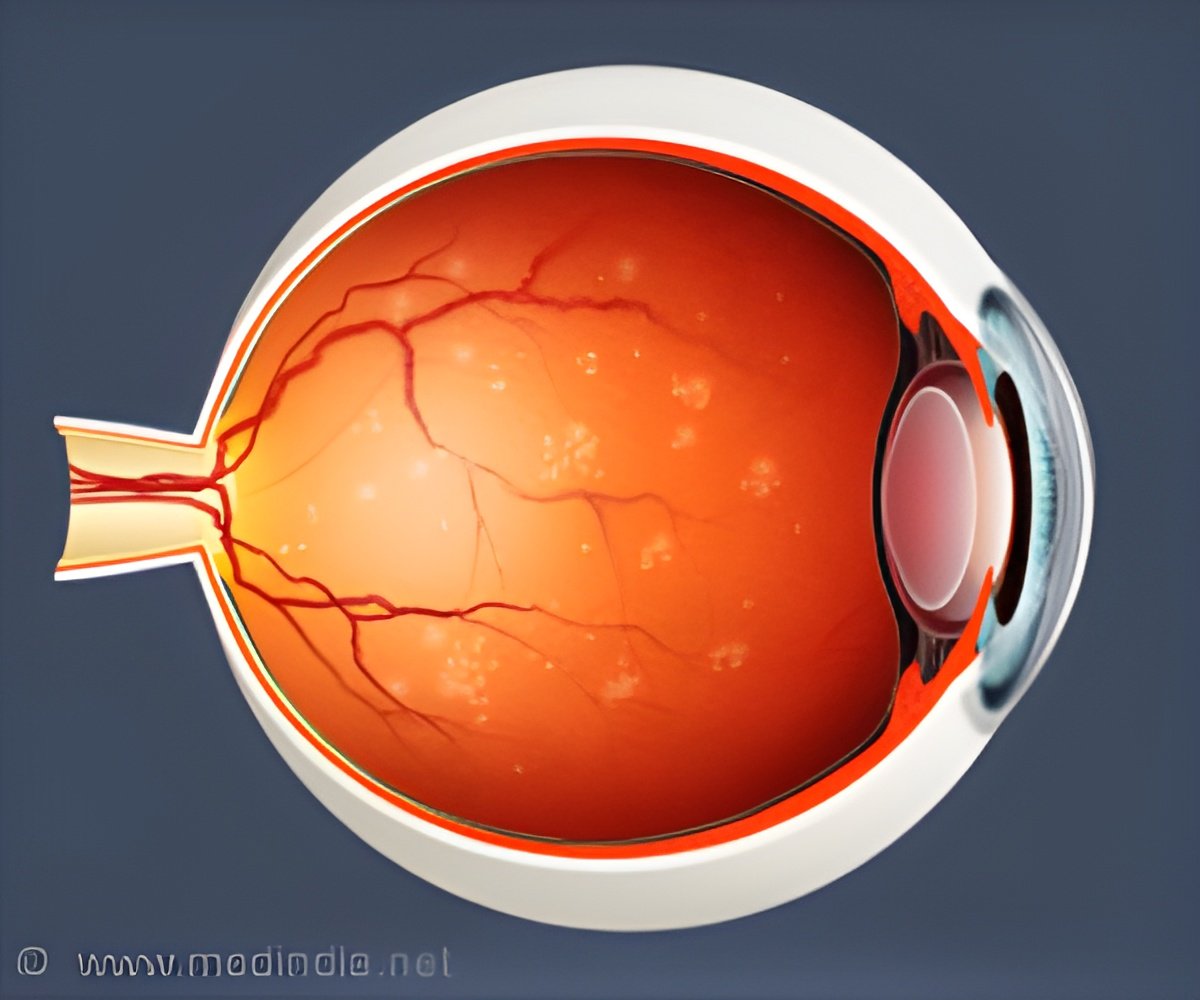
Approval could open the door for other gene therapies that could eventually treat the more than 225 genetic mutations known to cause blindness. It could be applied to retinitis pigmentosa, another inherited retinal disease caused by a defective gene. Or in the future, gene therapy could possibly provide key proteins needed to restore vision in more common diseases such as age-related macular degeneration.
LCA is rare, affecting about 1 in 80,000 individuals. It can be caused by one or more of 19 different genes. The treatment, called voretigene neparvovec (Luxturna, Spark Therapeutics), involves a genetically modified version of a harmless virus. The virus is modified to carry a healthy version of the gene into the retina. Doctors inject billions of modified viruses into both of a patient’s eyes.
Medical and Technological Advances Helping Patients With Retinal Diseases Avoid Life-Long Blindness
New advances, both in the field of medicine and technology, are helping a growing number of people with retinal diseases rediscover their vision.
New advances, both in the field of medicine and technology, are helping a growing number of people with retinal diseases rediscover their vision.
More than 200 patients with LCA have participated in gene therapy trials since 2007. However, no gene therapy has gotten this close to FDA approval for retinal disease or any other eye disease. In October, an advisory committee to the FDA unanimously endorsed the treatment. The FDA isn’t obligated to follow the recommendations of its advisory committees, but it usually does. The agency is expected to make its decision no later than January 2018.
New Structure in Dogs' Eye Linked to Blinding Retinal Diseases Identified by Penn Team
A tiny area in the center of the retina called the fovea is critically important to viewing fine details in humans.
A tiny area in the center of the retina called the fovea is critically important to viewing fine details in humans.
Source-Eurekalert

Zika Virus Infection Linked to Severe Damage of the Retina in Infants
Congenital Zika syndrome has been associated with retinal abnormalities in the newborn, suggests a new study.
Congenital Zika syndrome has been associated with retinal abnormalities in the newborn, suggests a new study.
 Email
Email