
Prostate Cancer: Treatment Options - Surgery, Radiation Therapy, Hormone Therapy
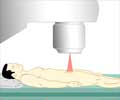
Treatment options of prostate cancer includes waiting, surgery, radiation, hormone therapy, chemotherapy, cryosurgery or biologic therapy.
Treatment options of prostate cancer includes waiting, surgery, radiation, hormone therapy, chemotherapy, cryosurgery or biologic therapy.
Until now, disease prognosis in advanced prostate cancer could only be determined through clinical predictors or, occasionally, tumor biopsies with only moderately predictive results. This study shows the efficacy of the six-gene model blood test in determining length of survival.
"The genes noted in the model suggest possible changes in the immune system related to late-stage disease that warrant further study as a target for immune-based therapies," said Dr. Oh.
![Prostate Specific Antigen [PSA] & Prostate Cancer Diagnosis](https://www.medindia.net/images/common/patientinfo/120_100/prostate-specific-antigen.jpg "Prostate Specific Antigen [PSA] & Prostate Cancer Diagnosis")
Prostate Specific Antigen [PSA] & Prostate Cancer Diagnosis
PSA blood test is specific to prostate gland but not necessarily a cancer specific test but is commonly used to diagnose prostate cancer.
PSA blood test is specific to prostate gland but not necessarily a cancer specific test but is commonly used to diagnose prostate cancer.
Source-Eurekalert

Quiz on Prostate Cancer
Prostate cancer is fast gaining as a common cancer form among men; more threatening since its symptoms often go unnoticed until it’s too late. This quiz tests your knowledge on prostate cancer, its diagnosis and treatment options and is as mandatory for men as the screening tests mentioned here are!
Prostate cancer is fast gaining as a common cancer form among men; more threatening since its symptoms often go unnoticed until it’s too late. This quiz tests your knowledge on prostate cancer, its diagnosis and treatment options and is as mandatory for men as the screening tests mentioned here are!

Foods That Boost Men's Health
Heart Disease and Cancer are the major killers for men above the age of 40. Cholesterol lowering through diet, lifestyle, and medications should be considered as the "real male multivitamin".
Heart Disease and Cancer are the major killers for men above the age of 40. Cholesterol lowering through diet, lifestyle, and medications should be considered as the "real male multivitamin".