MEDINDIA
 English
 हिन्दी
 Español
 français
 中文
中文
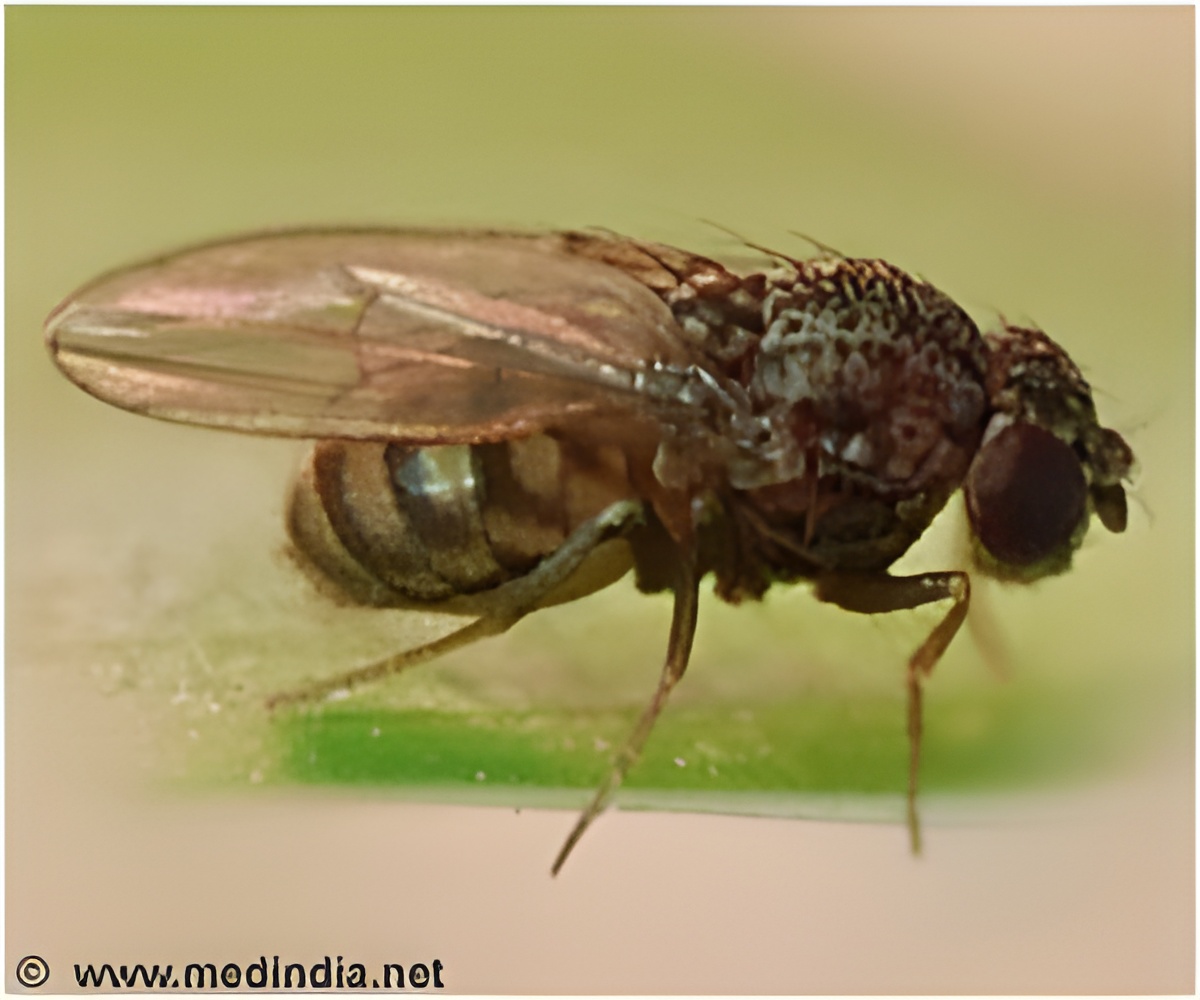
By genetically labelling the activity of MBONs in house flies, the scientists found that each cell had a characteristic response pattern in each individual.
Cancer Insights Possible Via Research into Fruit Fly Cells
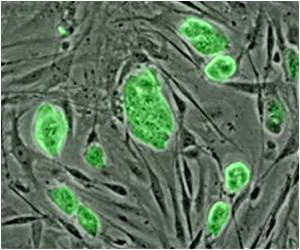
Cells demonstrate remarkable flexibility and versatility when it comes to how they divide, new research by scientists at the University of Exeter says.
Cells demonstrate remarkable flexibility and versatility when it comes to how they divide, new research by scientists at the University of Exeter says.
The pattern, in other words, differed between flies. This suggests that MBONs may underlie individual odor preferences that develop as flies learn to associate smells with positive or negative experiences.
A fly's behavioral response to an odor depends on the message that these output neurons relay to neurons farther along the circuit. "As a fly lives its life and encounters a bunch of different odors, that olfactory experience may induce some plasticity in the circuit," said lead researcher professor Glenn Turner.
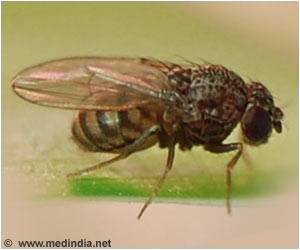
Movement of Fruit Fly Influences Its Circadian Clock
A new study published in the journal Science suggests that the internal circadian clock of a Drosophila or fruit fly is influenced by its own movements.
A new study published in the journal Science suggests that the internal circadian clock of a Drosophila or fruit fly is influenced by its own movements.
Responses varied greatly between cells, with each cell most strongly attuned to certain aromas. When the team analyzed the cells' responses, some patterns emerged.
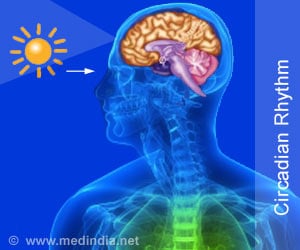
Brain Circuit That Drives Daily Cycles of Rest and Activity Identified in Fruit Fly Study
A circuit in the brain of fruit flies that controls their daily, rhythmic behaviour of rest and activity has been described in Cell by Amita Sehgal.
A circuit in the brain of fruit flies that controls their daily, rhythmic behaviour of rest and activity has been described in Cell by Amita Sehgal.
Source-IANS

Treatment of Brain Injury Might be Possible by Using Fruit Fly's Pruning Protein
Duke University researchers have revealed that a protein that controls the metamorphosis of the common fruit fly could help reverse brain injuries.
Duke University researchers have revealed that a protein that controls the metamorphosis of the common fruit fly could help reverse brain injuries.
 Email
Email