MEDINDIA
 English
 हिन्दी
 Español
 français
 中文
中文
Researchers have found that the language we learn as children affects brain structure, as does hearing status, seen in the first known study of its kind.
Speech and Language in a Hearing Impaired Child
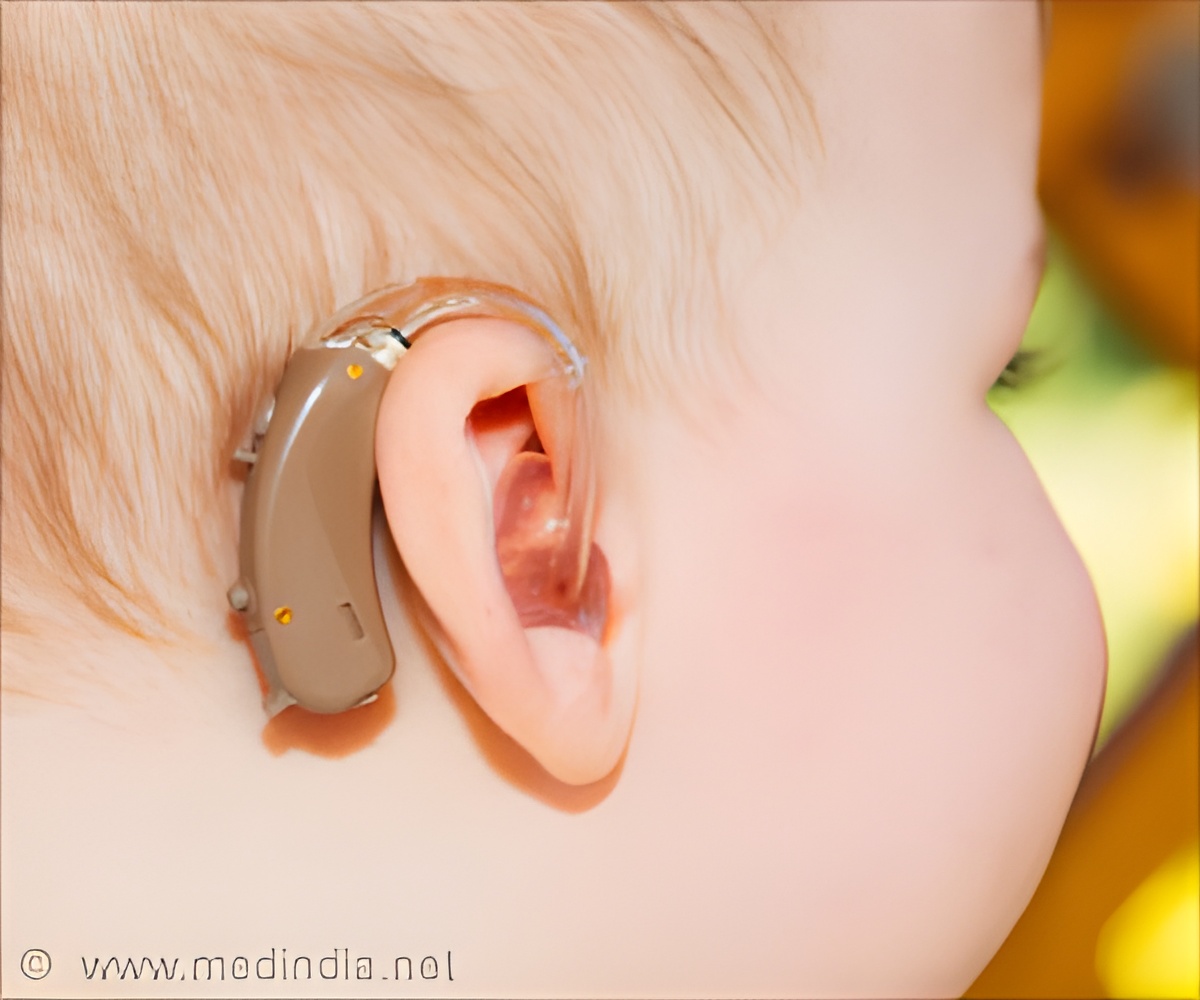
Language acquisition occurs mostly by hearing and listening. But when there is a problem in the auditory pathway, deliberate measures are needed for the process that otherwise occurs so naturally.
Language acquisition occurs mostly by hearing and listening. But when there is a problem in the auditory pathway, deliberate measures are needed for the process that otherwise occurs so naturally.
Eden and her colleagues report on a new structural brain imaging study that shows, in addition to deafness, early language experience – English versus ASL – impacts brain structure. Half of the adult hearing and half of the deaf participants in the study had learned ASL as children from their deaf parents, while the other half had grown up using English with their hearing parents.
"We found that our deaf and hearing participants, irrespective of language experience, differed in the volume of brain white matter in their auditory cortex. But, we also found differences in left hemisphere language areas, and these differences were specific to those whose native language was ASL," Eden explains.

Special School Shows How to Help Hearing Impaired Children
Kids with hearing impairment can be rehabilitated to live normal life with appropriate intervention by trained professionals and cooperative parents. ‘Little Flower Convent for the Deaf’ shows how….
Kids with hearing impairment can be rehabilitated to live normal life with appropriate intervention by trained professionals and cooperative parents. ‘Little Flower Convent for the Deaf’ shows how….
"Prior research studies comparing brain structure in individuals who are deaf and hearing attempted to control for language experience by only focusing on those who grew up using sign language," explains Olumide Olulade, PhD, the study's lead author and post-doctoral fellow at GUMC. "However, restricting the investigation to a small minority of the deaf population means the results can't be applied to all deaf people."
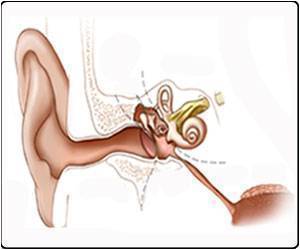
Hope for People With Hearing Disabilities Thanks to New Discovery
A biological circadian clock in the hearing organ, the cochlea, has been identified by researchers at Karolinska Institutet in Sweden.
A biological circadian clock in the hearing organ, the cochlea, has been identified by researchers at Karolinska Institutet in Sweden.

Mental Health Issues of the Hearing Impaired
Mental health issues are common in people with hearing impairment. Deaf individuals are dependent upon body language and gestures.
Mental health issues are common in people with hearing impairment. Deaf individuals are dependent upon body language and gestures.
 Email
Email