MEDINDIA
 English
 हिन्दी
 Español
 français
 中文
中文
Blue-enriched white light could be used in a variety of occupational settings where alertness and quick decision making are important.

Speed Process Training Improves Cognitive Functioning of HIV Patients
Speed process training can alter the cognitive impairment due to the inflammatory process on the brain in more than 50 percent of those with HIV.
Speed process training can alter the cognitive impairment due to the inflammatory process on the brain in more than 50 percent of those with HIV.
TOP INSIGHT

A short single exposure to blue light for half an hour is sufficient to produce measurable changes in reaction times and more efficient responses during conditions of greater cognitive load after the light exposure had ended.
"Blue-enriched white light could be used in a variety of occupational settings where alertness and quick decision making are important, such as pilot cockpits, operation rooms, or military settings. It could also be used in settings where natural sunlight does not exist, such as the International Space Station. Importantly, our findings suggest that using blue light before having to engage in important cognitive processes may still impact cognitive functioning for over half an hour after the exposure period ended. This may be valuable in a wide range of situations where acute blue light exposure is not a feasible option, such as testing situations."
The research abstract was published recently in an online supplement of the journal Sleep and will be presented Sunday, June 12, 2016 and Wednesday, June 15, 2016 in Denver at SLEEP 2016, the 30th Anniversary Meeting of the Associated Professional Sleep Societies LLC (APSS).

Cognitive Functioning of Women Gets Hampered by Working Late Nights
Sleep deprivation can have an adverse effect on our biological cycle. But women may be more affected by night-shift work than men.
Sleep deprivation can have an adverse effect on our biological cycle. But women may be more affected by night-shift work than men.
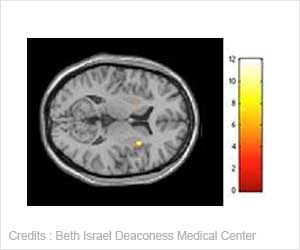
The study consisted of 35 healthy adults between the ages of 18 and 32 years. The participants were randomized to receive a 30-minute exposure to either blue (active) or amber (placebo) light immediately followed by a working memory task during functional magnetic resonance imaging (fMRI).

Music Intervention Can Improve Cognitive Functioning of Dementia Patients
Singing and listening to music more likely to improve memory functioning in individuals with mild dementia.
Singing and listening to music more likely to improve memory functioning in individuals with mild dementia.

Brain Structure, Family Income Impact Kids' Cognitive Functioning
Children who come from a richer, educated backgrounds have bigger brains and better cognitive skills than those who come from poor socio-economic families.
Children who come from a richer, educated backgrounds have bigger brains and better cognitive skills than those who come from poor socio-economic families.
 Email
Email