MEDINDIA
 English
 हिन्दी
 Español
 français
 中文
中文
Increased exposure to around 53 pesticides was associated with Parkinson's disease development.
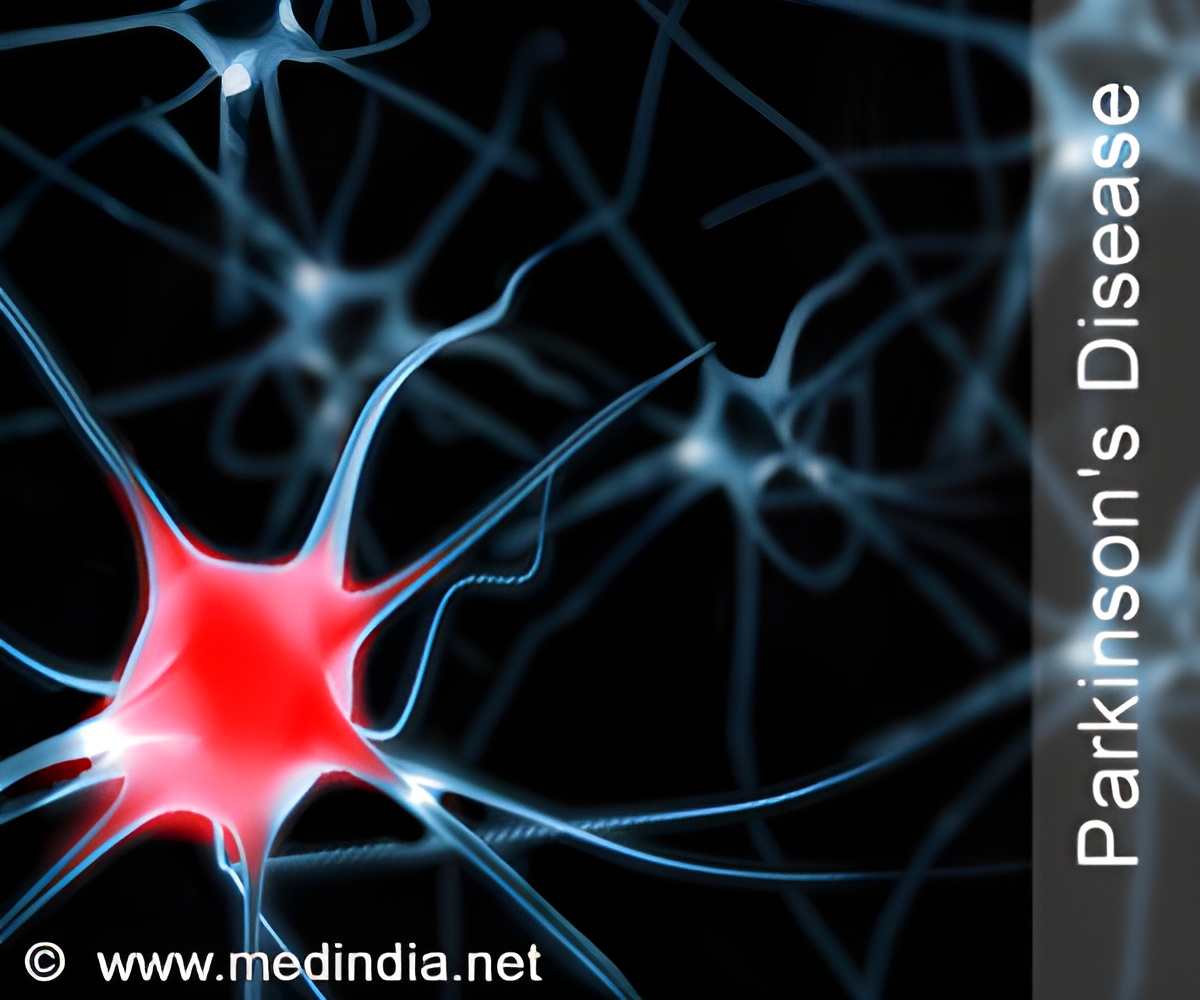
A pesticide and iPSC dopaminergic neuron screen identifies and classifies Parkinson-relevant pesticides
Go to source). Both genetic and environmental factors may influence the likelihood of developing Parkinson’s disease. Using agricultural records, the researchers investigated 288 pesticides, finding that long-term exposure to 53 of these pesticides was associated with Parkinson’s disease. The team then used a screening system in dopamine neurons derived from Parkinson’s patients to study 39 of those pesticides and identified 10 that were directly toxic to dopamine neurons.
Pesticides Linked to Parkinson's Disease
“The combination of bench science and epidemiology is quite novel here,” said Krolewski. “The bench science is able to address questions that are difficult to answer with epidemiology while the epidemiology helps direct the bench science – the sum is greater than the parts.”
Nutritional Management of Parkinson's Disease
Parkinson's disease is a brain disorder which leads to many other related effects. Nutrition plays an important role in management of the disease.
Parkinson's disease is a brain disorder which leads to many other related effects. Nutrition plays an important role in management of the disease.
TOP INSIGHT

Exposure to multiple pesticides is more toxic to dopamine neurons than any single pesticide. #Parkinson'sdisease
“The findings advance a major goal of the BWH Movement Division to tailor therapies to specific triggers of Parkinson’s in each patient,” said Khurana.
Reference:
- A pesticide and iPSC dopaminergic neuron screen identifies and classifies Parkinson-relevant pesticides - (https://www.nature.com/articles/s41467-023-38215-z)

Parkinson’s Disease - Causes, Symptoms, Diagnosis, Treatment
Parkinson’s disease is a neurodegenerative disease caused by progressive dopamine brain cells loss. Symptoms of Parkinson’s disease are correctable to an extent.
Parkinson’s disease is a neurodegenerative disease caused by progressive dopamine brain cells loss. Symptoms of Parkinson’s disease are correctable to an extent.

Quiz on Parkinson’s Disease
Parkinson's disease (PD) is a chronic and progressive nervous system disorder that results in a gradual loss of muscle control. It has an impact on the body's ability to control movement.
Parkinson's disease (PD) is a chronic and progressive nervous system disorder that results in a gradual loss of muscle control. It has an impact on the body's ability to control movement.

Smartwatch Offers Reliable Insight into Parkinson�s Disease Treatment
Using wearables such as smartwatches and smartphones to monitor Parkinson’s disease patients can provide real-world measures that evaluate much-needed therapies.
Using wearables such as smartwatches and smartphones to monitor Parkinson’s disease patients can provide real-world measures that evaluate much-needed therapies.
 Email
Email