MEDINDIA
 English
 हिन्दी
 Español
 français
 中文
中文
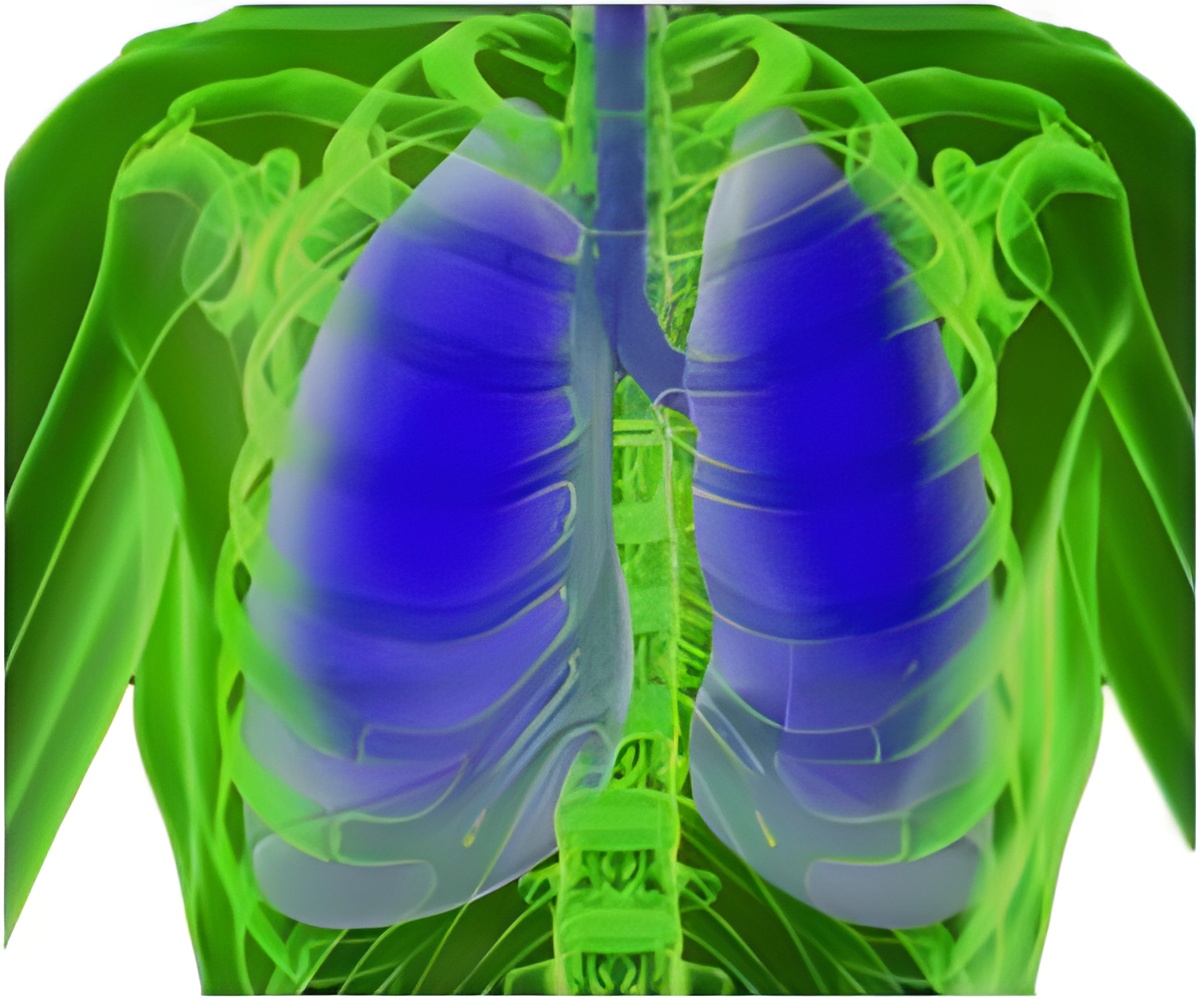
Researchers have developed a mathematical model that provides the basis for the 3D images of how and where the CO2 and oxygen transfers take place.
Wider Geographic Sharing of Pediatric Donor Lungs May Increase Lung Transplants in the US
Organ Procurement and Transplantation Network responsible for making transplant policy is reviewing simulations for a new pediatric lung allocation policy.
Organ Procurement and Transplantation Network responsible for making transplant policy is reviewing simulations for a new pediatric lung allocation policy.
TOP INSIGHT

Researchers from Aarhus University have developed a mathematical model that provides the basis for the 3D images of how and where the CO2 and oxygen transfers take place.
Woking in collaboration with researchers from Harvard Medical School, Troels Johansen has developed a mathematical model as part of his PhD project that provides the basis for the 3D images, which in turn are developed from PET scans. The new method has just been published in an article in the scientific journal Respiratory Physiology & Neurobiology.
Images give better treatment
The new model can be used for different groups of patients: "For example, if we take cancer patients with a tumour in the lung, it will be easier to predict the consequences of removing part of the lung by surgery. It will also be easier for doctors to determine the COPD patients who will benefit from an operation and those who will not. We also believe that the new model will come to contribute with knowledge that can help patients in intensive care who are on a respirator," says Troels Johansen. "The new model is not only able to make it easier for doctors to foresee the consequences of high-risk lung operations. It will also contribute new basic knowledge about the crucial oxygen and CO2 transfer in both healthy and diseased lungs," says Troels Johansen.

Some 'Longtime Smokers' Appear to Have Healthy Lungs
A team of researchers has come out with a reason behind why some people appear to have healthy lungs despite a lifetime of smoking.
A team of researchers has come out with a reason behind why some people appear to have healthy lungs despite a lifetime of smoking.
Lungs of Road Accident Victim Saves a Man�s Life In Chennai
A 35-year-old businessman from Vijayawada, suffered from severe bouts of cough and breathlessness for more than two years and his lungs had become close to dysfunctional
A 35-year-old businessman from Vijayawada, suffered from severe bouts of cough and breathlessness for more than two years and his lungs had become close to dysfunctional

Brain Dead Kochi Teen's Heart and Lungs Airlifted to Chennai for Transplantation
Another interstate organ transplant takes place in Chennai where the heart and lungs of a 19-year-old boy were transported from Kochi to save a life.
Another interstate organ transplant takes place in Chennai where the heart and lungs of a 19-year-old boy were transported from Kochi to save a life.
 Email
Email