MEDINDIA
 English
 हिन्दी
 Español
 français
 中文
中文
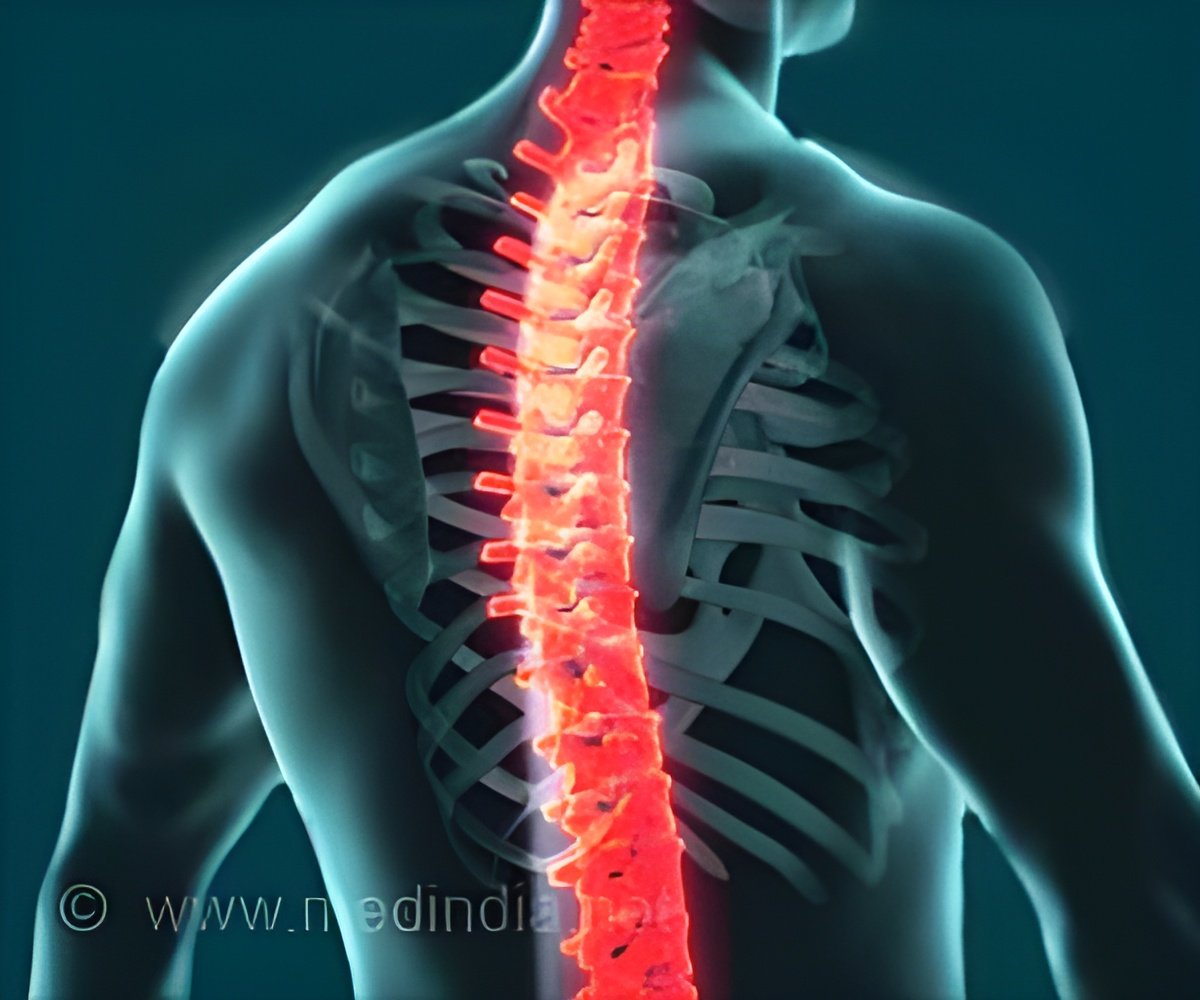
Women in menopause have an increased likelihood of developing osteoporosis (loss of bone density) as estrogen levels fall, but exercise or hormone therapy can minimize this risk.
Dealing with Menopause Symptoms Through Lifestyle Changes
You can deal with menopause symptoms such as hot flashes, weight gain and forgetfulness by making simple lifestyle changes.
You can deal with menopause symptoms such as hot flashes, weight gain and forgetfulness by making simple lifestyle changes.
TOP INSIGHT

Exercise minimizes changes in muscle mass, bone density and belly fat when estrogen drops.
All of the women studied had temporary loss of ovarian function (ovarian suppression) that diminished estrogen levels. One group of women received estrogen supplementation and also performed supervised resistance exercise. Another group received hormone therapy but did not exercise. The estrogen supplement groups were compared with ovarian suppression control groups that did not receive hormone therapy but were matched for exercise status. The research team measured bone loss through imaging tests (DEXA scans) and energy expenditure through doubly labeled water--a special type of water that contains varied forms of hydrogen and oxygen to allow for energy tracking.
All of the volunteers had a slower metabolism, burned fewer calories and showed a decrease in muscle mass and an accumulation of belly fat due to the loss of ovarian function. These symptoms were prevented by estrogen therapy. The groups that exercised were protected against the decrease in bone density but not the changes in the other symptoms. "Our findings suggest that exercise can attenuate some (e.g. loss of bone) but not all (e.g., decline in resting metabolic rate) of the consequences of ovarian hormone suppression," the researchers wrote.

About Lifestyle and Osteoporosis
Encyclopedia section of medindia briefly explains about Lifestyle and Osteoporosis
Encyclopedia section of medindia briefly explains about Lifestyle and Osteoporosis

Quiz on Osteoporosis
Osteoporosis is a debilitating condition that affects all the bones. However, the bones of the hip, wrists and spine are most affected. Learn more about the debilitating disease of Osteoporosis by taking this quiz.
Osteoporosis is a debilitating condition that affects all the bones. However, the bones of the hip, wrists and spine are most affected. Learn more about the debilitating disease of Osteoporosis by taking this quiz.
Top 14 Fibromyalgia-Friendly Exercises
Fibromyalgia may be incurable but your life doesn’t have to come to a standstill. Here are some of the best exercises for fibromyalgia that will help ease the pain.
Fibromyalgia may be incurable but your life doesn’t have to come to a standstill. Here are some of the best exercises for fibromyalgia that will help ease the pain.
 Email
Email