MEDINDIA
 English
 हिन्दी
 Español
 français
 中文
中文
Dispositional, or everyday mindfulness is the inherent trait of being aware of one's present thoughts and feelings, and it can improve cardiovascular health.
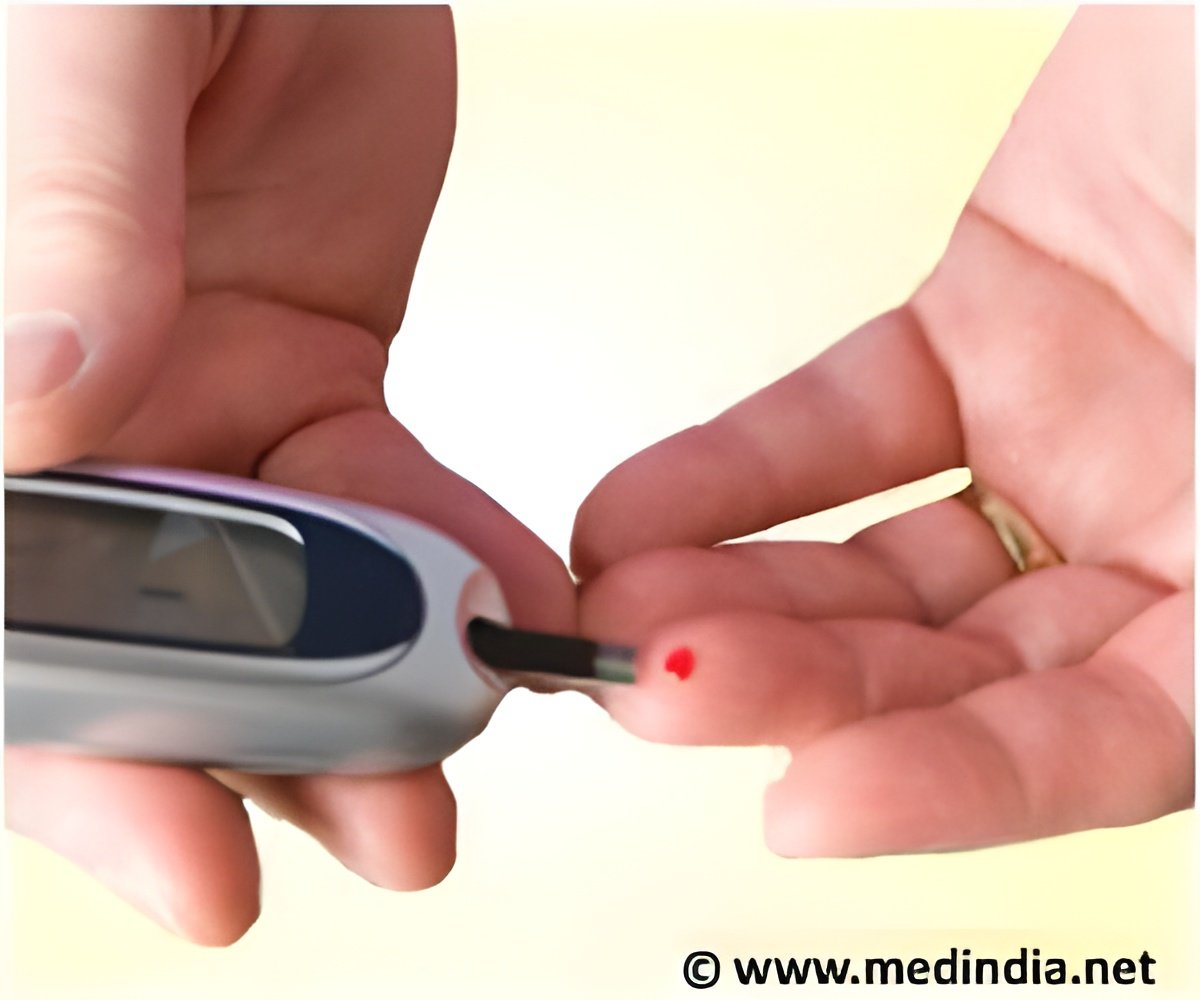

Diabeto, the App to Monitor Blood Glucose Levels
Management of diabetes by self monitoring of blood glucose levels is made easier even now by the use of advancements.
Management of diabetes by self monitoring of blood glucose levels is made easier even now by the use of advancements.
TOP INSIGHT

People practicing higher degrees of mindfulness may be better able to motivate themselves to exercise, stick with diet and exercise regimens recommended by their doctors.
"This study demonstrated a significant association of dispositional mindfulness with glucose regulation, and provided novel evidence that obesity and sense of control may serve as potential mediators of this association," wrote the authors led by Eric Loucks, assistant professor of epidemiology in the Brown University School of Public Health. "As mindfulness is likely a modifiable trait, this study provides preliminary evidence for a fairly novel and modifiable potential determinant of diabetes risk."
The study, published in the American Journal of Health Behavior, did not show a direct, statistically significant link between mindfulness and type 2 diabetes risk, which is the medical concern related to elevated blood glucose. Participants with high levels of mindfulness were about 20 percent less likely to have type 2 diabetes, but the total number of people in the study with the condition may have been too small to allow for definitive findings, Loucks said.
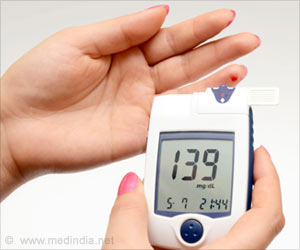
LabStyle Innovations�s Dario Blood Glucose Monitoring System Receives FDA Approval
LabStyle Innovations has received the United States Food and Drug Administration (FDA) approval for the Dario Blood Glucose Monitoring System.
LabStyle Innovations has received the United States Food and Drug Administration (FDA) approval for the Dario Blood Glucose Monitoring System.
To gather their data, Loucks and his team enrolled 399 volunteers who've been participating in the New England Family Study. The subjects participated in several psychological and physiological tests including glucose tests and the Mindful Attention Awareness Scale (MAAS), a 15-item questionnaire to assess dispositional mindfulness on a 1 to 7 scale. The researchers also collected data on a host of other potentially relevant demographic and health traits including body-mass index, smoking, education, depression, blood pressure, perceived stress, and sense of control.

Combining Blood Glucose Tests Improve Prediabetes Detection
Improving detection of prediabetes would save the US health care system and patients money by motivating subjects with prediabetes to seek preventative care.
Improving detection of prediabetes would save the US health care system and patients money by motivating subjects with prediabetes to seek preventative care.
The analysis found that obesity made about a 3-percentage point difference of the total 35-percent point risk difference. Sense of control accounted for another 8 percentage points of the effect. The rest may derive from factors the study didn't measure, but at least now researchers have begun to elucidate the possible mechanisms that link mindfulness to glucose regulation.

Exercise Helps Diabetics Shed Kilos from Waist, Lose Body Fat, Control Blood Glucose
Waist circumference, percentage of body fat and hemoglobin A1c levels improved in diabetic participants who exercised compared to those who did not.
Waist circumference, percentage of body fat and hemoglobin A1c levels improved in diabetic participants who exercised compared to those who did not.
Source-Eurekalert
 Email
Email