MEDINDIA
 English
 हिन्दी
 Español
 français
 中文
中文
In Canada, the rate of episiotomy during childbirth has declined in recent years, but when it comes to births assisted by forceps or vacuum, this downward trend needs a closer look, suggests new UBC research.
TOP INSIGHT

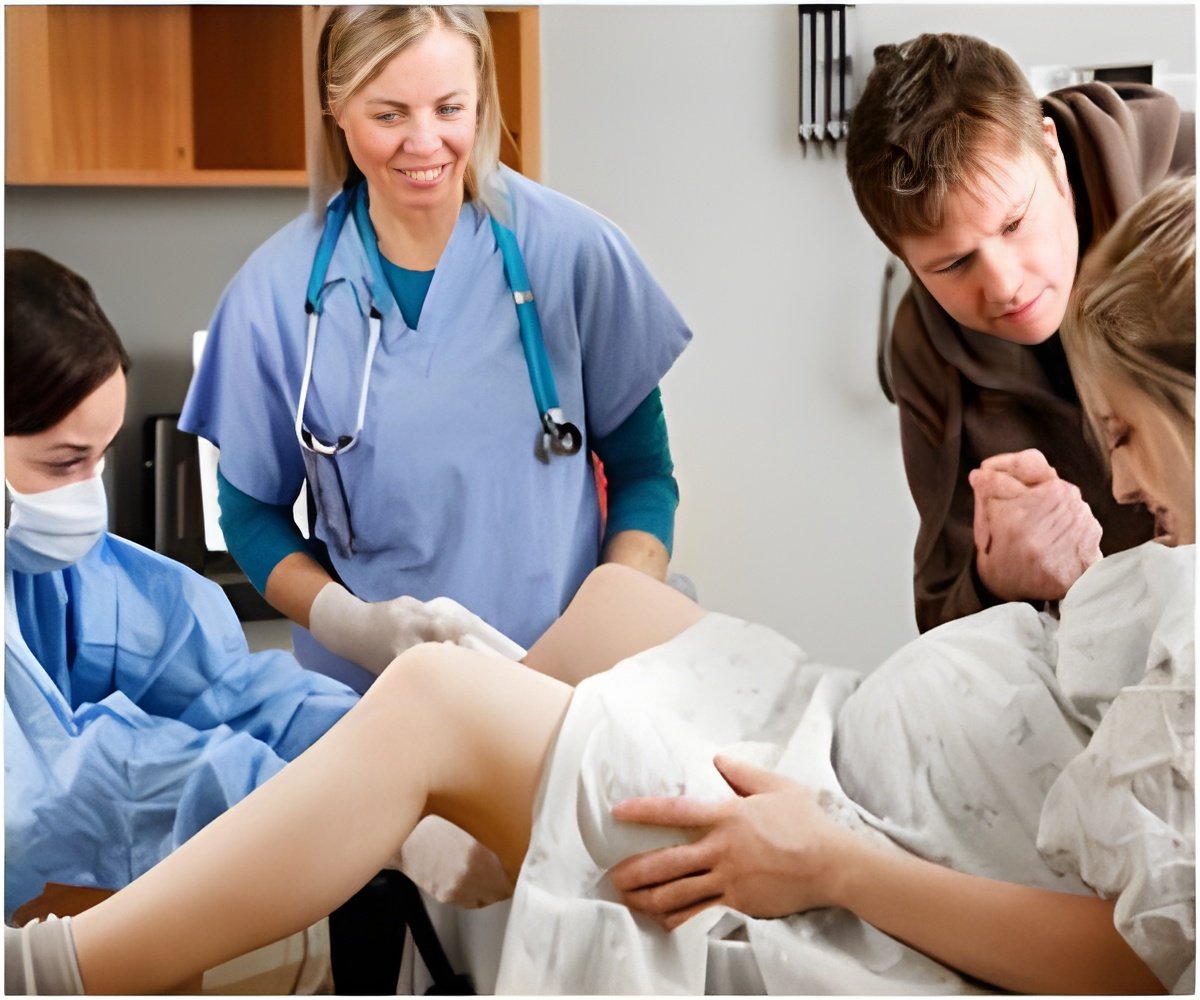
Individualizing episiotomy guidelines for all vaginal deliveries could be beneficial, particularly in women delivering their first child and in women having a vaginal birth after cesarean section.
Read More..
However, this finding applied only to vaginal deliveries that did not need assistance by forceps or vacuum -- instruments that are used to help with the delivery of a baby when problems arise.
"The pronounced decrease in the episiotomy rate among vaginal deliveries assisted by instruments suggests that this may be an example of 'clinical creep,' where the recommendation to move away from routine episiotomy among unassisted vaginal deliveries may have been overgeneralized to apply to all vaginal deliveries, including those where instruments are involved and where there may be a benefit," says the study's lead author Dr. Giulia Muraca, a Postdoctoral Fellow with UBC's Department of Obstetrics and Gynaecology and with the Clinical Epidemiology Unit at the Karolinska Institute in Stockholm, Sweden.
For the study, researchers used data provided by the Canadian Institute for Health Information to analyze trends in episiotomy use in more than 2.5 million births in Canada between 2004 and 2017. They found that overall, the rate of episiotomy is declining among both unassisted and assisted deliveries, despite the fact that episiotomy can protect against severe tears among women in the latter group.
The researchers also examined the relationship between episiotomy and obstetric anal sphincter injury (OASI), a condition characterized by severe tears to the perineum. Severe tears in this area can lead to short-term and long-term pain, infection, sexual problems and incontinence.
Episiotomy was associated with up to a 42 per cent reduction in risk of OASI among women who had delivered vaginally for the first time.
Decline in Rates of Episiotomy Between 2006 and 2012 in the US
There has been a decline in rates of episiotomy between 2006 and 2012 in the US, according to an analysis by the Columbia University College of Physicians and Surgeons.
There has been a decline in rates of episiotomy between 2006 and 2012 in the US, according to an analysis by the Columbia University College of Physicians and Surgeons.
"Generalizing the episiotomy guidelines for all vaginal deliveries can cause harm, particularly in women delivering their first child and in women having a vaginal birth after caesarean section," she said.
Source-Eurekalert
 Email
Email