MEDINDIA
 English
 हिन्दी
 Español
 français
 中文
中文
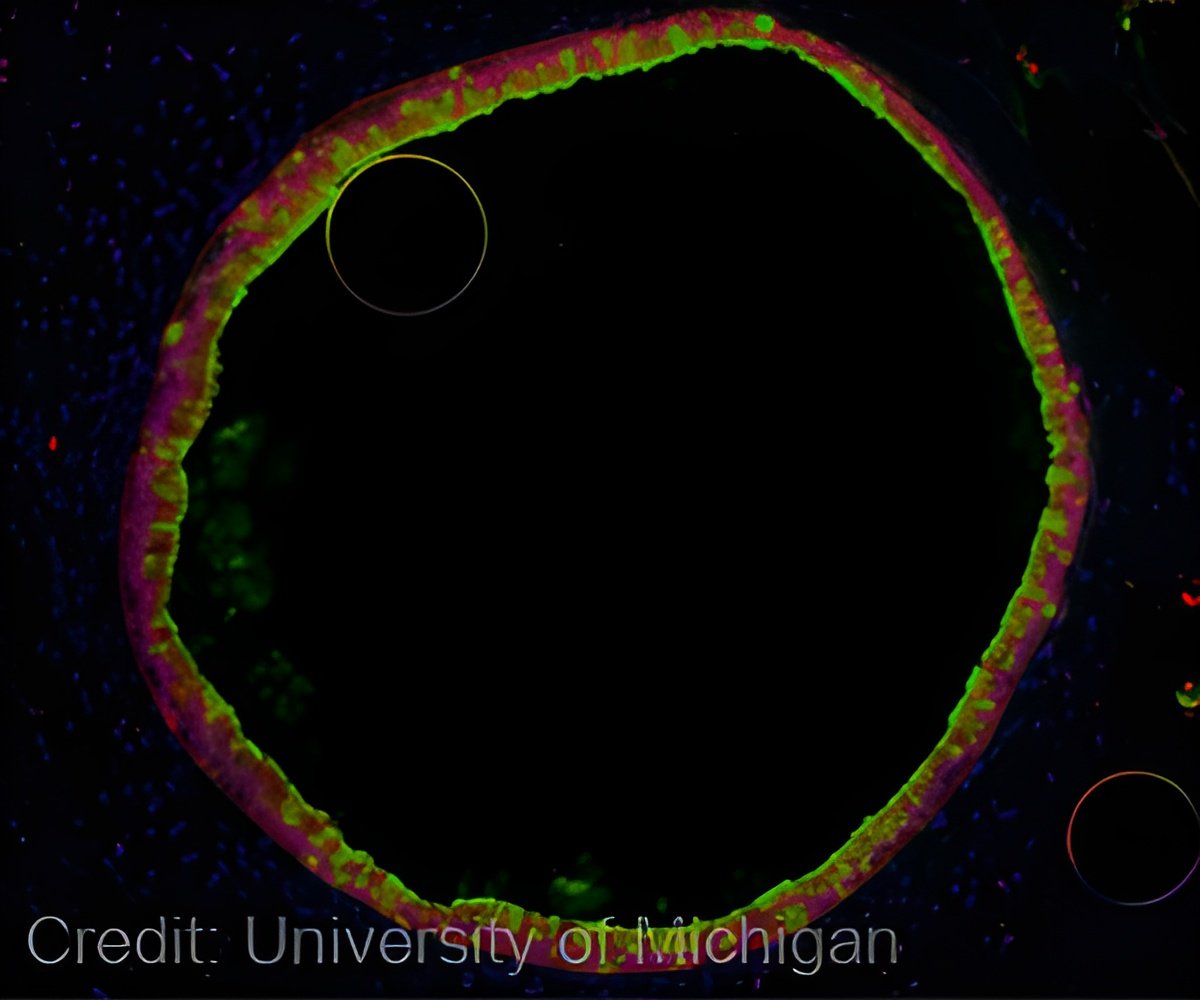
The monkey malaria parasite has the ability to evolve to get around a sugar variant on the surface of human RBC and pass into the human population in a more virulent form.

3434 Students Test Positive for Malaria in Tribal-dominated District in Odisha
The affected students are currently under medication and the health officials are keeping a watch on their condition, said district collector Yamini Sarangi.
The affected students are currently under medication and the health officials are keeping a watch on their condition, said district collector Yamini Sarangi.
TOP INSIGHT

The monkey malaria parasite P. Knowlesi invades human red blood cells and overcome their dependency on the sugar pathway to enter the human cell.
"With increasing concern about the spread of P. knowlesi into human populations, it is great to be able to gain insight into what the molecular stumbling blocks are for P. knowlesi infection of humans, and how the parasite can potentially overcome them," said first author Selasi Dankwa, who carried out the work while a doctoral student in the Department of Immunology and Infectious Diseases at Harvard Chan School.
The macaque malaria parasite P. knowlesi has emerged as a major source of human infections in Southeast Asia, as the monkey's habitats are encroached upon through logging and farming. While most human infections are mild, increasing numbers of severe infections are being reported, leading to concerns that the parasite is adapting to infect humans more efficiently.

74,000 Likely Cases of Malaria Were Not Treated Due to the Ebola Scare
Tens of thousands of people in Guinea did not seek help for malaria, fearing infection from people with Ebola, or confinement if they showed feverish symptoms.
Tens of thousands of people in Guinea did not seek help for malaria, fearing infection from people with Ebola, or confinement if they showed feverish symptoms.
However, worryingly, following prolonged adaptation to growth on human red blood cells, parasites were able to overcome their dependency on the sugar pathway and find another way into the human cell.
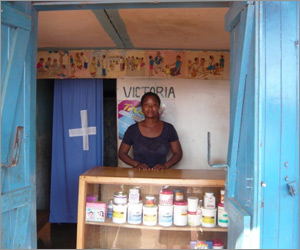
Malaria Diagnostic Test Reduces Over Prescription Of Anti-Malarial Drugs By 73 Percent
Introduction of rapid diagnostic tests at registered drug shops in Uganda improved treatment of malaria patients and reduced misuse of anti-malarial drugs.
Introduction of rapid diagnostic tests at registered drug shops in Uganda improved treatment of malaria patients and reduced misuse of anti-malarial drugs.
The study is published in the journal Nature Communications.

New Breath Test Detects Malaria Earlier Than Standard Blood Examination Method
Higher levels of four sulphuric compounds are detected in the malaria patients' breath. These are in direct correlation with the severity of the infection.
Higher levels of four sulphuric compounds are detected in the malaria patients' breath. These are in direct correlation with the severity of the infection.
 Email
Email