MEDINDIA
 English
 हिन्दी
 Español
 français
 中文
中文
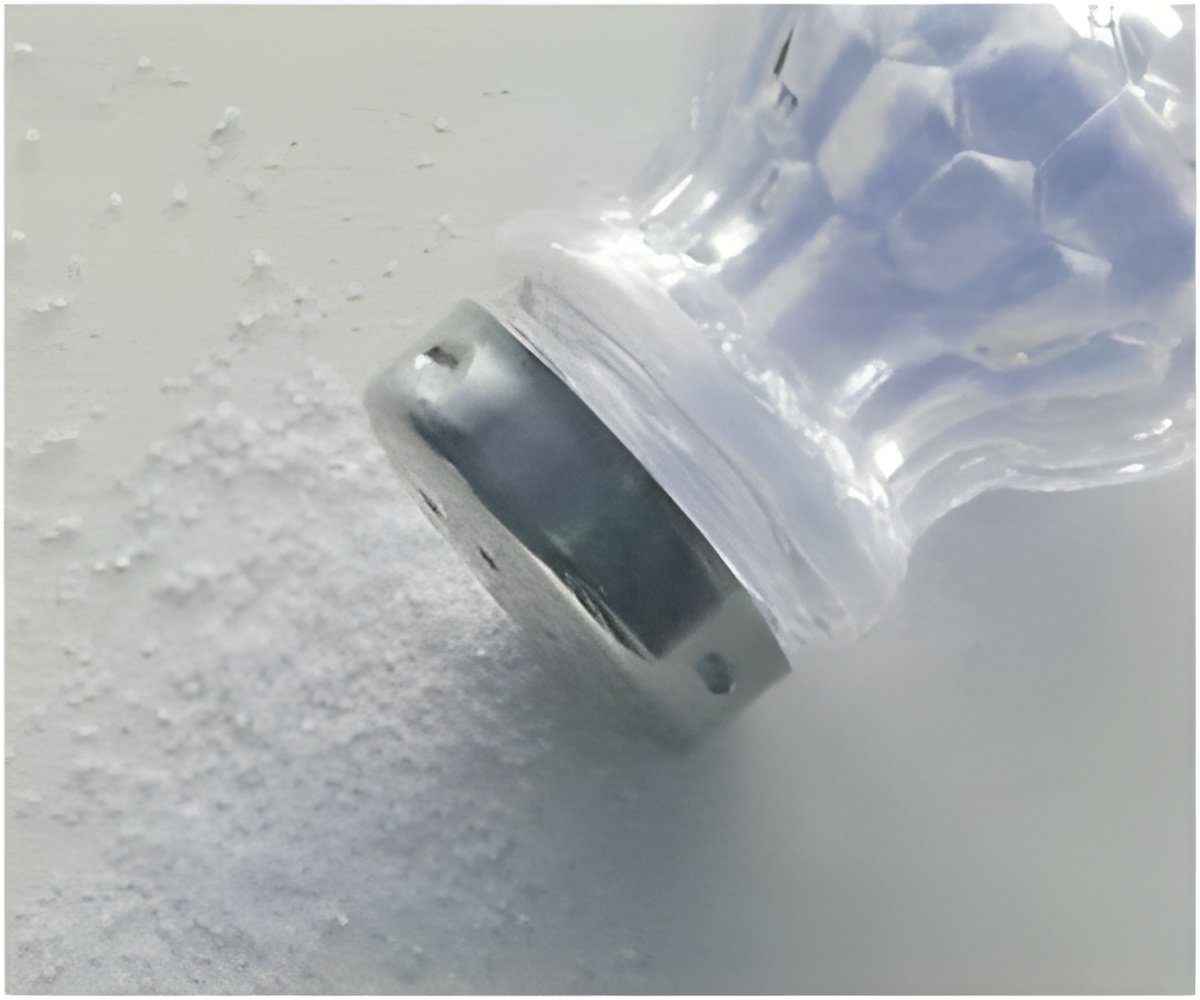
Intake of salt in seventy per cent of eight-month-old babies is higher than the recommended maximum level, as they are fed salty and processed foods.

Processed Foods - Convenience foods
Processed or convenience foods require less time and energy for food preparation. Most of the processed foods are healthy with nutritional values.
Processed or convenience foods require less time and energy for food preparation. Most of the processed foods are healthy with nutritional values.
The researchers found that the majority of infants were first introduced to solids around 3-4 months, with the mean salt intake for the highest group at 8 months more than double the maximum recommendation for that age group (400mg sodium per day up to 12 months). Infants in this top group often consumed cows' milk as a main drink, which has a higher sodium content at 55mg per 100g than breast (15mg per 100g) or formula (15-30mg per 100ml) milk. They also ate three times the amount of bread compared to the lowest group, and were given salty flavourings such as yeast extract and gravy.
In the UK, the majority of salt consumed by individuals is added to food during manufacturing, with a relatively small proportion added during cooking or at the table and current intakes in both children and adults are far higher than NICE (National Institute for Health and Clinical Excellence) guidelines.

Salt Guidelines for Diabetes Patients Questionable
In a recent study, Australian researchers are challenging guidelines that suggest diabetics to cut down on salt in their diet.
In a recent study, Australian researchers are challenging guidelines that suggest diabetics to cut down on salt in their diet.
'These findings show that salt intakes need to be substantially reduced in children of this age group. Infants need foods specifically prepared for them without added salt, so it is important to adapt the family diet.

Iodine Deficiency: A Global Initiative to Weed Out the Problem
The earliest reports of iodine deficiency emerged from China, almost 5000 years ago. Nature came to the rescue in the form of sea weeds and many of those who ate sea weeds actually weeded out
The earliest reports of iodine deficiency emerged from China, almost 5000 years ago. Nature came to the rescue in the form of sea weeds and many of those who ate sea weeds actually weeded out
They added that:

Replace Salt with Seaweed Granules for a Healthy Living
Replacing salt with seaweed granules can prevent high blood pressure, strokes and early deaths, claim scientists.
Replacing salt with seaweed granules can prevent high blood pressure, strokes and early deaths, claim scientists.
The researchers studied three-day dietary records (completed by the mothers) of 1,178 8-month-old infants born in 1991/92 and involved in the Children of the 90s study at the University of Bristol. Infants were categorised into four groups of increasing salt intake.
Source-Eurekalert
 Email
Email