MEDINDIA
 English
 हिन्दी
 Español
 français
 中文
中文
One in six cancer drugs tested in four African countries had dangerously incorrect levels of active ingredients.

In sub-Saharan Africa, 1 in 6 cancer medications found to be defective
Go to source).

Steps To Fight Against Breast And Cervical Cancer Taken In Niger, West Africa
The World Health Organization (WHO) says some 8,000 new cancer cases are recorded each year in the poor Sahel country with a life expectancy of 56 years.
The World Health Organization (WHO) says some 8,000 new cancer cases are recorded each year in the poor Sahel country with a life expectancy of 56 years.
TOP INSIGHT

Did You Know?
One out of every six cancer drugs tested in four African countries had dangerously incorrect doses of active ingredients-ranging from as low as 28% to as high as 120%. #medindia #cancer #drugsafety
Assay Value and Drug Safety Concerns
“It is important that cancer medications contain the right amount of the active ingredients so the patient gets the correct dose,” said Marya Lieberman, professor of chemistry and biochemistry at Notre Dame and lead author of the study. “If the patient’s dose is too small, the cancer can survive and spread to other locations. If the patient’s dose is too high, they can be harmed by toxic side effects from the medicine.”One in six cancer medications tested was found to contain the incorrect quantity of API, with tested medications having APIs ranging from 28 to 120 percent. The study evaluated 251 samples of cancer medications collected from major hospitals and private markets in all four countries.
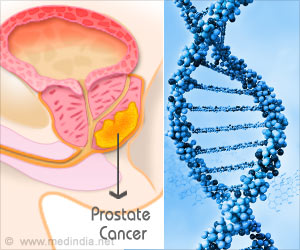
Is Aggressive Prostate Cancer Linked to Ancestral Heritage?
In sub-Saharan Africa, scientists have discovered genetic signatures explaining ethnic differences in the severity of prostate cancer.
In sub-Saharan Africa, scientists have discovered genetic signatures explaining ethnic differences in the severity of prostate cancer.
Lack of Laboratory Oversight in Sub-Saharan Africa
The study, funded by the National Cancer Institute of the National Institutes of Health, is among the first to evaluate cancer drug quality in sub-Saharan Africa. Currently, sub-Saharan Africa has no pharmaceutical regulatory laboratories carrying out chemical analyses for cancer drugs according to the standards required for regulatory purposes. Yet, the need for cancer drugs is growing.
Action Against Cervical Cancer Sought By 70 Nations
Stakeholders from more than 70 countries came together to seek an urgent call for action against cervical cancer as it is projected to kill nearly half a million women by 2030.
Stakeholders from more than 70 countries came together to seek an urgent call for action against cervical cancer as it is projected to kill nearly half a million women by 2030.
Widespread Presence of Substandard Medications
“We found bad-quality cancer medications in all of the countries, in all of the hospital pharmacies and in the private markets,” said Lieberman, an affiliate of Notre Dame’s Eck Institute for Global Health and Harper Cancer Research Institute. “We learned that visual inspection, which is the main method for detecting bad-quality cancer drugs in sub-Saharan Africa today, only found one in 10 of the bad products.”In their study, the researchers explained how a combination of high demand for cancer medications, lack of regulatory capacity, and poor manufacturing, distribution and storage practices likely created a problematic environment throughout sub-Saharan Africa. They also argue that given these factors and the global supply chain for pharmaceuticals, substandard cancer medications are likely present in other low and middle-income countries as well.

Cervical Cancer Vaccine to Help South African Women Approved
Leading pharmaceutical company GlaxoSmithKline has announced the approval of its cervical cancer vaccine that will now help women in South Africa to prevent cervical cancer.
Leading pharmaceutical company GlaxoSmithKline has announced the approval of its cervical cancer vaccine that will now help women in South Africa to prevent cervical cancer.
Suggested Solutions and Global Strategies
Lieberman and her team identified several strategies that could help the global community address poor-quality cancer medications:Provide inexpensive technologies at the point of care to screen for bad-quality cancer medicines and create policies for how to respond to products that fail screening tests.
Help regulatory agencies in low and middle-income countries get safety equipment and training so they can analyze the quality of cancer medicines in their markets, conduct root-cause investigations when products fail testing, take quick regulatory actions enabled by lab data and share data about bad-quality products.
Introducing ChemoPAD and Tackling Supply Chain Issues
Perform cost-benefit analyses of interventions that tackle common problems (such as medications being out of stock, unsafe shipping, storage or dispensing practices, and lack of availability or affordability of medications) to help policymakers and funders get the most impact on patient outcomes from their available resources.Work with care providers to develop site-specific response policies and messaging for patients and engage regulators, donors and other resources.
Lieberman and her lab are developing a user-friendly technology called the chemoPAD for screening cancer medications. This low-cost paper device could potentially help hospitals, pharmacies and health care professionals in low and middle-income countries monitor drug quality without restricting a patient’s access to the medication.
Changing the System for Global Health Impact
“This is all part of a bigger project aimed at developing the ChemoPAD as a point-of-care testing device that we can use, something that’s more accurate in detecting poor-quality products than just visual inspection,” Lieberman said.“There are lots of medicines where the regulators don’t have enough resources to verify the quality, and some manufacturers take advantage of that to cut corners. There are also problems with distribution systems, so even if a product is good quality when it leaves the manufacturer, it may be degraded during shipping or storage. These products flow into low and middle-income countries, and they get used on patients. I want to change that.”
Reference:
- In sub-Saharan Africa, 1 in 6 cancer medications found to be defective - (https://news.nd.edu/news/in-sub-saharan-africa-1-in-6-cancer-medications-found-to-be-defective/)
Source-Eurekalert
 Email
Email