MEDINDIA
 English
 हिन्दी
 Español
 français
 中文
中文
A protein trafficking defect present in the brain cells may be responsible for non-familial forms of Parkinson's disease, according to a new study.
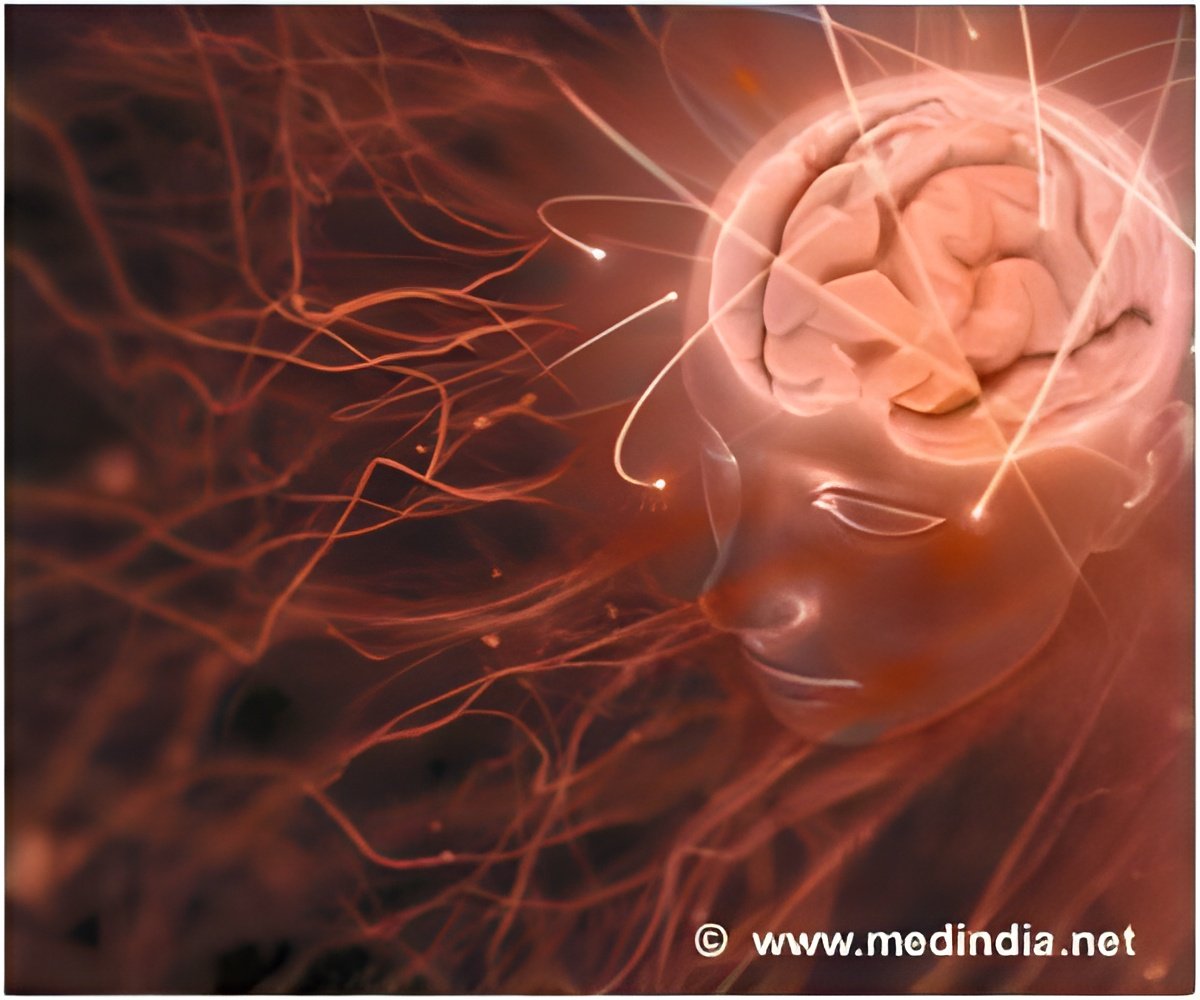

Parkinson’s Disease - Causes, Symptoms, Diagnosis, Treatment
Parkinson’s disease is a neurodegenerative disease caused by progressive dopamine brain cells loss. Symptoms of Parkinson’s disease are correctable to an extent.
Parkinson’s disease is a neurodegenerative disease caused by progressive dopamine brain cells loss. Symptoms of Parkinson’s disease are correctable to an extent.
The researchers also found evidence that, even in unaffected individuals who simply carry common genetic variants associated with an increased risk of Parkinson's disease, these molecular changes are at work. This supports the notion that early treatment approaches will be important in tackling Parkinson's disease.
"Taken together, the findings suggest that drugs that target the retromer pathway could help prevent or treat Parkinson's," said study leader Asa Abeliovich, MD, PhD, associate professor of pathology and cell biology and of neurology in the Taub Institute for Research on Alzheimer's Disease and the Aging Brain at CUMC.
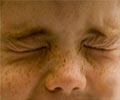
Eye Twitching - Blepharospasm - Causes, symptoms, diagnosis and Treatment
Uncontrolled muscle twitching occurs in this condition, though benign it may need further investigation and sometimes an injection of Botox can cures it.
Uncontrolled muscle twitching occurs in this condition, though benign it may need further investigation and sometimes an injection of Botox can cures it.
In the current study, Dr. Abeliovich and his CUMC colleagues used an unusually broad array of approaches — including analyses of Parkinson's disease-associated genetic variations, patient brain tissue, in vitro tissue culture studies of brain neurons, and fruit fly (Drosophila) models that harbor genetic variants related to those associated with Parkinson's disease.

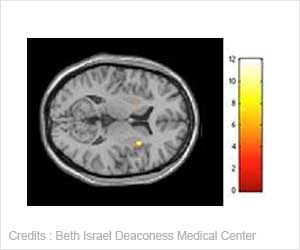
Magnetic Stimulation For Parkinson�s Disease
Parkinson’s disease is a neurological condition that can cause slowness and instability, but a new type of therapy can improve both of these
Parkinson’s disease is a neurological condition that can cause slowness and instability, but a new type of therapy can improve both of these
The impact of the RAB7L1 and LRRK2 variants was apparent even in individuals with no signs or symptoms of Parkinson's disease. This suggests that there is a pre-disease state in unaffected carriers of the two genetic variants that favors early disease onset and that, in theory, could be targeted therapeutically.
Poisonous Parkinson's molecule discovered
Researchers in Texas have found a molecule which may harm the brain areas involved in Parkinson's disease. There is no firm diagnostic test for
Researchers in Texas have found a molecule which may harm the brain areas involved in Parkinson's disease. There is no firm diagnostic test for
Source-Eurekalert
 Email
Email