MEDINDIA
 English
 हिन्दी
 Español
 français
 中文
中文
Scientists at the Wellcome Trust Sanger Institute have grown and studied the genome of more than 130 bacteria from the human intestine.
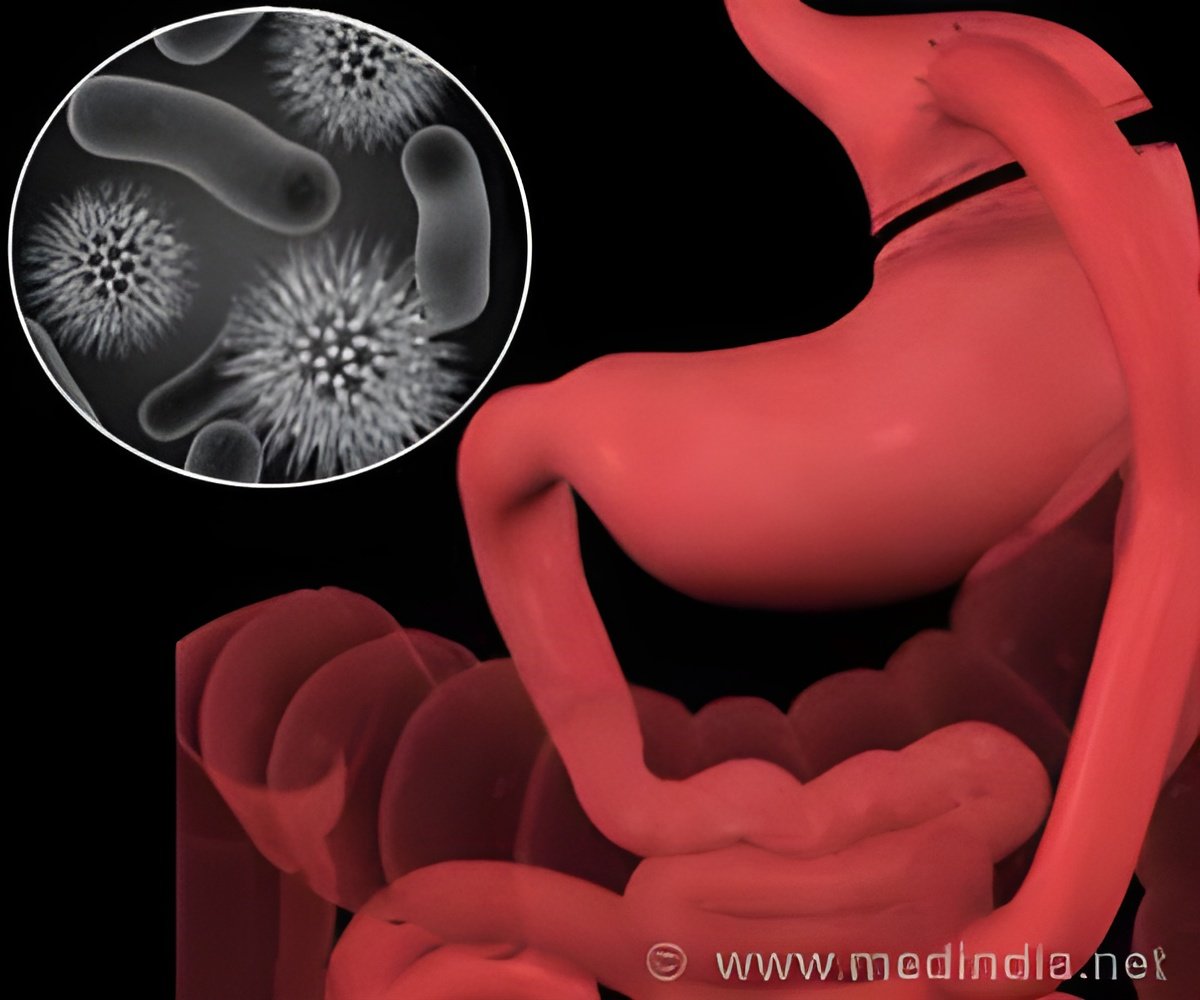
Imbalance of Gut Microbes Linked to Deadly Intestinal Disease in Premature Babies
An imbalance of certain gut microbes appears to be the underlying cause of a frequently fatal intestinal illness in premature babies.
An imbalance of certain gut microbes appears to be the underlying cause of a frequently fatal intestinal illness in premature babies.
TOP INSIGHT

Wellcome Trust Sanger Institute researchers have cultured 130 gut bacteria in the laboratory conditions which has helped them to understand their biology, facilitating development of therapeutics to treat intestinal-associated disorders.
For the very first time, scientists have analyzed the spore forming bacteria present in the human gut. Spores can survive for longer periods of time under hibernation and therefore, they can be passed between people, potentially transmitting different diseases. This mechanism sheds light on the transmission of diseases not only through genes but also by microbiome.
Considering this discovery, these scientists are now planning to develop pills containing beneficial bacteria that can cure many diseases. This could also help in finding a cure for growing antibiotic resistance.
Gut Microbes Improves Growth in Malnourished Children
Two strains of micro-organisms, Ruminococcus gnavus and Clostridium symbiosum fixed the hormonal mechanisms that were impaired by malnutrition.
Two strains of micro-organisms, Ruminococcus gnavus and Clostridium symbiosum fixed the hormonal mechanisms that were impaired by malnutrition.
Fecal transplants may be used for treating Clostridium difficile infection, but it's practically not feasible. Therefore, scientists think that pills infused with these microbes can help in treating the disease. Patients can take this pills instead of fecal transplants.

How Gut Microbes May Affect Circadian Rhythms, Body Metabolism And Make You Fat
All humans have a set of bacteria, viruses and fungi living in our guts which helps us digest food, but some gut bacteria may lead to gain extra weight.
All humans have a set of bacteria, viruses and fungi living in our guts which helps us digest food, but some gut bacteria may lead to gain extra weight.
Source-Medindia
MIT Scientists Redesign Gut Microbes to Tackle Intestine-Related Health Problems
The newly designed microbes that are introduced in the intestine can be used to deliver drugs or identify any changes in the gut.
The newly designed microbes that are introduced in the intestine can be used to deliver drugs or identify any changes in the gut.
 Email
Email