MEDINDIA
 English
 हिन्दी
 Español
 français
 中文
中文
Healthcare professionals are not fully equipped with nutritional information to educate their patients on healthy eating, observes a new scientific advisory from the American Heart Association calling for new strategies to boost nutrition education in medical schools.
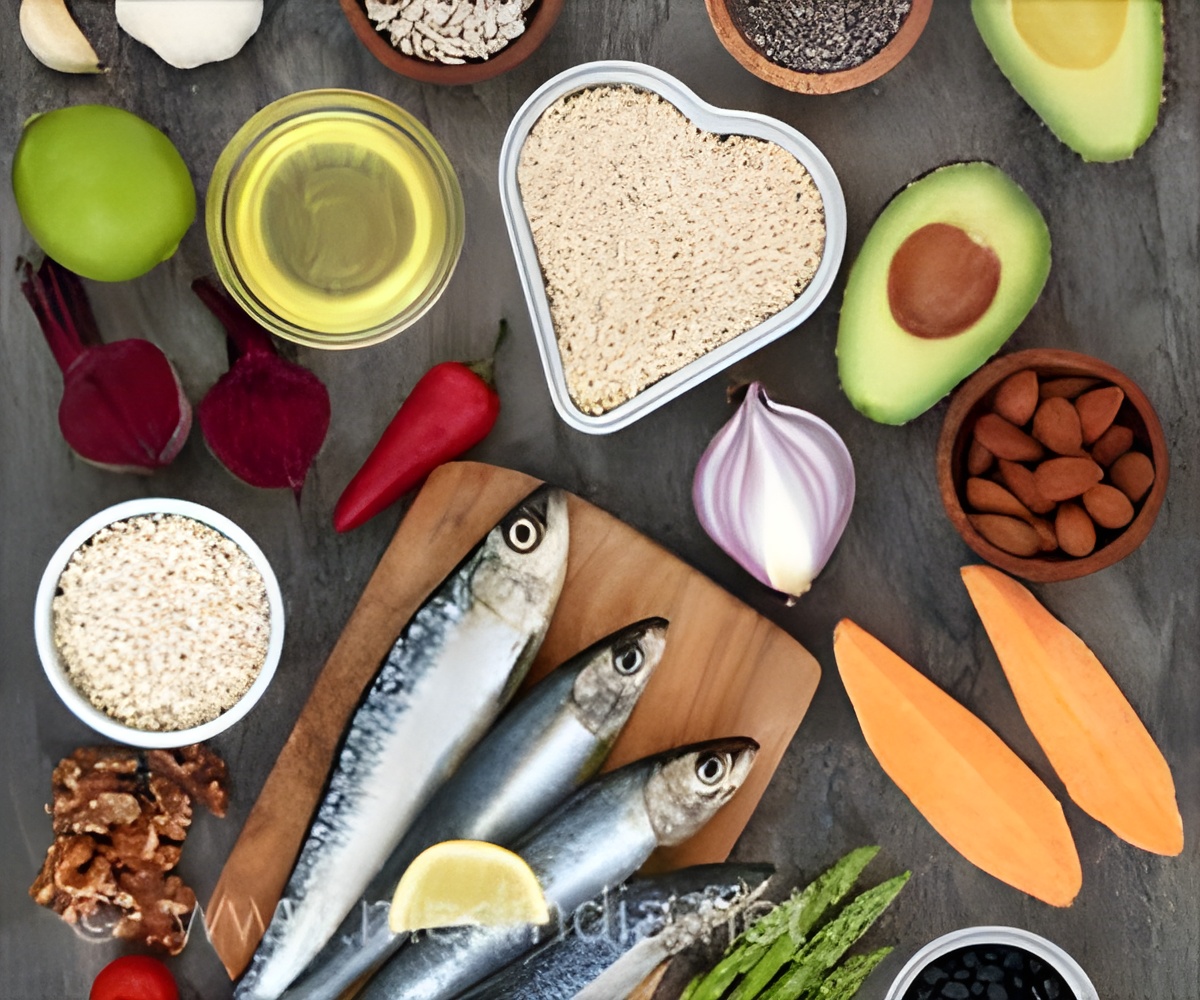
Diet and Nutrition for Healthy Weight Loss
Correct diet and a planned exercise regime is the mantra of healthy and sustainable weight loss.
Correct diet and a planned exercise regime is the mantra of healthy and sustainable weight loss.
TOP INSIGHT

The American Heart Association observes current gaps in medical nutrition education and training in the United States and has proposed new strategies to increase nutrition education in medical schools. This move will help physicians in turn discuss diet information with their patients.
The National Academy of Sciences recommends undergraduate medical students receive a minimum of 25 classroom hours dedicated to nutrition education, but a 2013 survey found that 71 percent of medical schools provide less than the recommended hours and 36 percent provide less than half that amount.
The advisory provides examples of successful approaches currently being used to integrate clinical nutrition throughout undergraduate and graduate medical education courses, instead of a one-time course. In addition, it also provides information about assessing nutrition knowledge and competencies and outlines nutrition resources and continuing medical education activities.
Diet and Nutrition Tips for Athletes
Athletes can be physically fit by consuming a well balanced nutritious diet, which keeps them mentally alert not only during and after the sports events but all around the year. Here are some simple and essential diet and nutrition tips for athletes.
Athletes can be physically fit by consuming a well balanced nutritious diet, which keeps them mentally alert not only during and after the sports events but all around the year. Here are some simple and essential diet and nutrition tips for athletes.
Source-Eurekalert
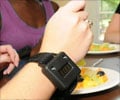
Bite Counter - A Gadget that Helps Stop Overeating
Just like a pedometer counts aerobic steps, the bite counter counts every bite taken. It rings an alarm on nearing the danger zone of overeating set by the person.
Just like a pedometer counts aerobic steps, the bite counter counts every bite taken. It rings an alarm on nearing the danger zone of overeating set by the person.
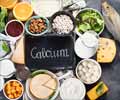
Calcium- Its Benefits and Importance in Nutrition
Calcium rich foods are essential for the growth of bones and teeth. Up your calcium intake from the list of calcium-rich foods. Excellent sources of calcium include dairy products, nuts, seafood.
Calcium rich foods are essential for the growth of bones and teeth. Up your calcium intake from the list of calcium-rich foods. Excellent sources of calcium include dairy products, nuts, seafood.
 Email
Email