MEDINDIA
 English
 हिन्दी
 Español
 français
 中文
中文
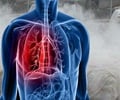
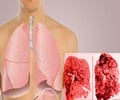
Friendly bacteria have a clear role in modulating immune function in the lungs. The findings may help improve nasal vaccines used to protect against infections of the lung.
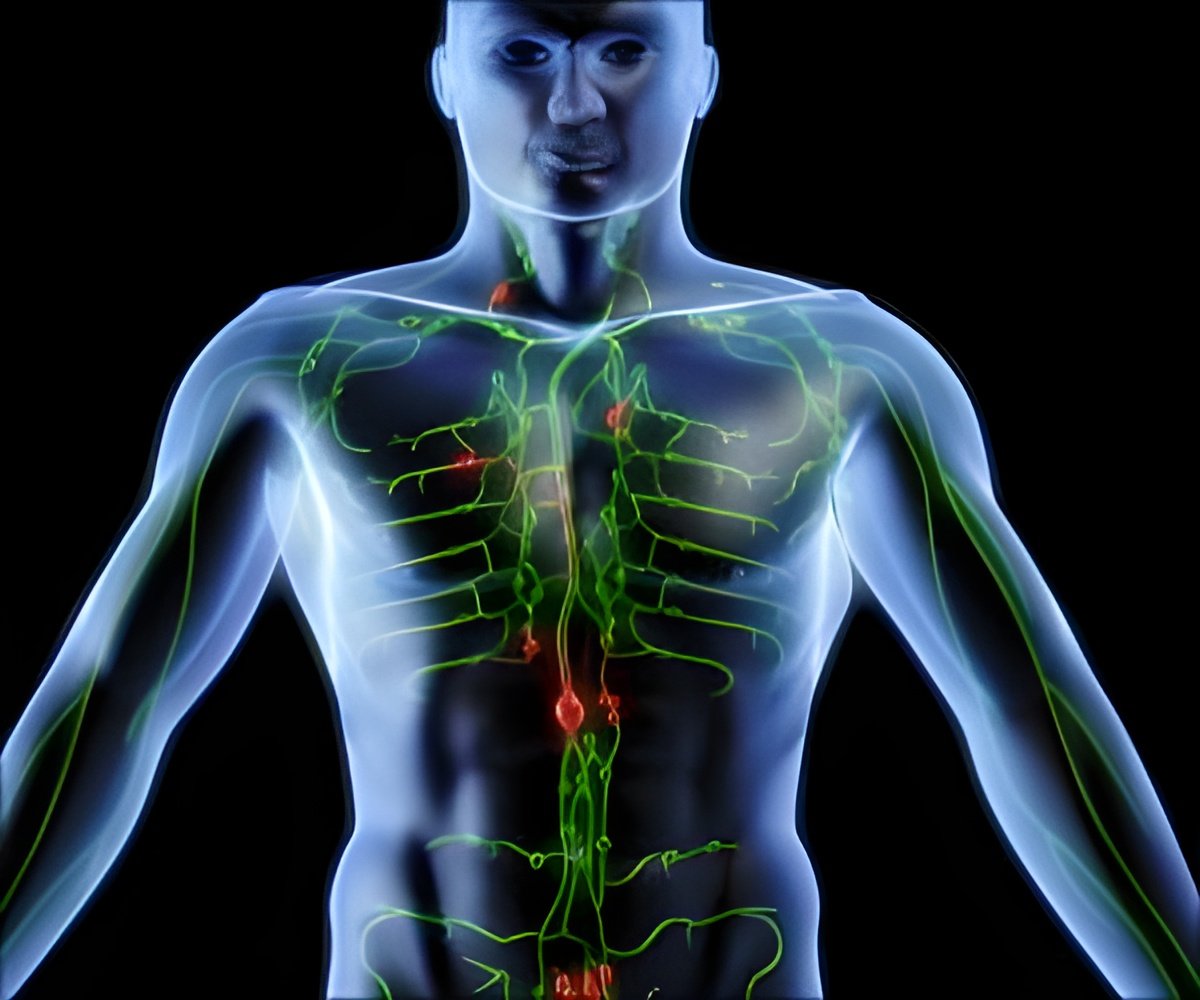
Orchestrating Immune Response in Lung With Commensal Bacteria
Immune system's ability to kill a major respiratory pathogen, Klebsiella pneumoniae, is boosted by the signals from bacteria that harmlessly inhabit the human gastroinstestinal tract.
Immune system's ability to kill a major respiratory pathogen, Klebsiella pneumoniae, is boosted by the signals from bacteria that harmlessly inhabit the human gastroinstestinal tract.
TOP INSIGHT

The human body contains approximately ten times as many friendly bacteria as human cells known as commensal bacteria.
The immune system produces a complex range of proteins and chemicals to protect against infections, allergies and cancer. One group of these proteins is called immunoglobulins, or antibodies, that are produced by specialized cells called B cells. Immunoglobulin A (IgA) is the predominant antibody within the inner lining of the body, called the mucosa; intestines and lungs are two of the largest mucosal surfaces. At these sites, IgA is shown to protect against infections. Evidence is also emerging that IgA may help suppress allergies at these sites.
To study the production of IgA within the lungs, the researchers used mouse models to isolate specialized cells called dendritic cells and cultured them with antibody-producing B cells. After four to five days of culture, the B cells started producing the IgA antibody in a process called "IgA class switch recombination." To the researchers' surprise, they found that when they isolated lung dendritic cells from "germ free" or antibiotic-treated mice, the production of IgA was highly impaired. Further, when the germ-free mice were fed with a component of bacterial cell wall called LPS, the lung dendritic cells started instructing B cells to produce IgA again.
Commensal Bacteria Aid in the Battle Against Viruses
Healthy humans have many varieties of bacteria and other bugs which exist within their intestines.
Healthy humans have many varieties of bacteria and other bugs which exist within their intestines.
Additionally, researchers have shown that changing the bacterial composition of the body may have important consequences on the effectiveness of vaccines used to protect the mucosal surfaces of the body against infection. Thus, their study demonstrates how commensal bacteria may affect important aspects of lung immunity, in turn increasing our susceptibility to allergies and infections.

Bacterial DNA can Pass from Parent to Offspring
Mice studies have shown that bacterial DNA can pass from parent to offspring in a manner that affects specific traits such as immunity and inflammation.
Mice studies have shown that bacterial DNA can pass from parent to offspring in a manner that affects specific traits such as immunity and inflammation.
Source-Eurekalert
Researchers Restore Immune Function in Spinal Injured Mice
In a new study, researchers show that it is possible to restore immune function in spinal injured mice.
In a new study, researchers show that it is possible to restore immune function in spinal injured mice.
 Email
Email