MEDINDIA
 English
 हिन्दी
 Español
 français
 中文
中文
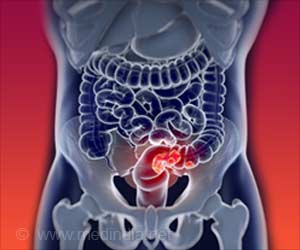
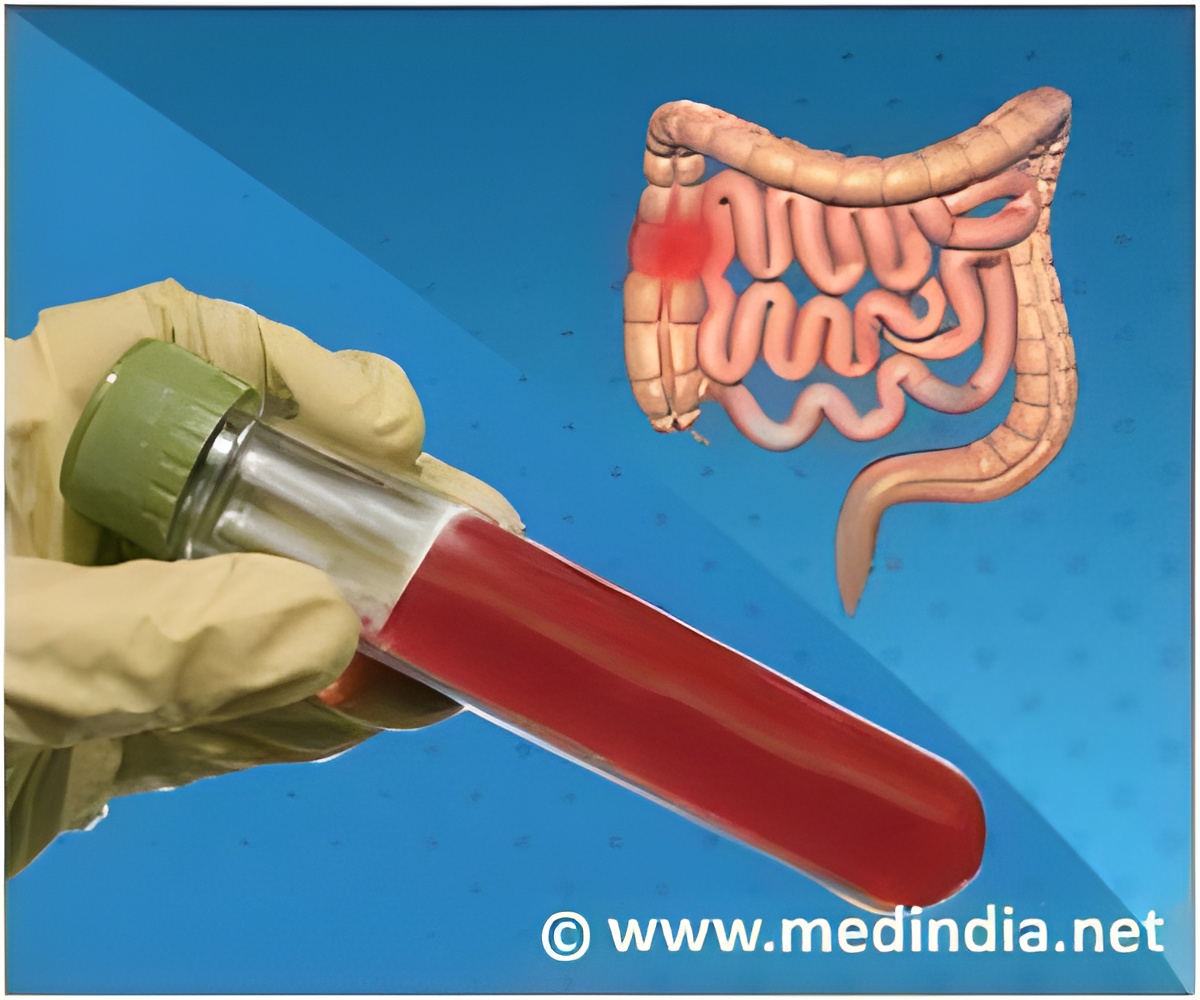
The switches that can turn on or off genes, related to colorectal cancer identified by two researchers at the Geisel School of Medicine at Dartmouth.
Colorectal Cancer - Types, Causes, Risk Factors, Symptoms, Diagnosis, Treatment, Prognosis & Prevention
Colorectal cancer is a cancer that starts in the colon or the rectum. Colorectal cancer is the third most common cancer in men.
Colorectal cancer is a cancer that starts in the colon or the rectum. Colorectal cancer is the third most common cancer in men.
The researchers looked at specific sections of noncoding DNA in nine colorectal cancer samples and three samples of healthy colon tissue. They found patterns in the sections of noncoding DNA that differed depending on whether the tissue was cancerous or healthy. They refer to these sections as variant enhancer loci (VELs). Cowper-Sal.lari says that the patterns they found are more reliable indicators of the presence of colorectal cancer than any currently known patterns of gene expression. "You get a very crisp signal," he says. The tumor samples were taken from patients at various stages of disease, adding to the strength of the finding.
Moore, who is also the associate director for bioinformatics at the Norris Cotton Cancer Center, adds that what he and Cowper-Sal.lari added to the study was their ability to make sense of mountains of data by developing computer programs and algorithms.

Colorectal Cancer Screening
Colorectal screening is done using tests to detect blood in stool, colonoscopy or sigmoidoscopy ordouble contrast barium enema or CT colonography.
Colorectal screening is done using tests to detect blood in stool, colonoscopy or sigmoidoscopy ordouble contrast barium enema or CT colonography.
Cowper-Sal.lari adds that the intense computation required to do the analysis was only possible because of access to Discovery—Dartmouth's supercomputing cluster.

Colorectal Cancer Screening with Colonoscopy
Colonoscopy is a widely used endoscopic procedure to screen individuals for colorectal cancer. It is very sensitive in detecting colorectal cancers.
Colonoscopy is a widely used endoscopic procedure to screen individuals for colorectal cancer. It is very sensitive in detecting colorectal cancers.
"That's the ultimate goal—to develop drugs," Moore says. "If we can understand the biology of how these genes are turned on and off in cancer, then we can develop drugs to target them and turn them on or off."
Colorectal Cancer Screening with Double-Contrast Barium Enema
Double-contrast barium enema is a radiological technique that can be used to screen individuals for colorectal cancer and is performed when colonoscopy is not possible.
Double-contrast barium enema is a radiological technique that can be used to screen individuals for colorectal cancer and is performed when colonoscopy is not possible.
 Email
Email