MEDINDIA
 English
 हिन्दी
 Español
 français
 中文
中文
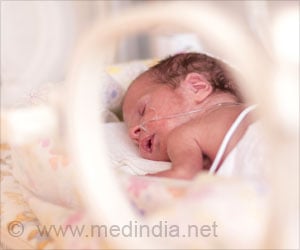
Infants and children who have had suffered from stroke may later have seizures and around 13 percent of them will develop epilepsy within two years.
How to Deal with a Stroke - Signs - Symptoms - Risk Factors - Prevention
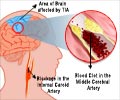
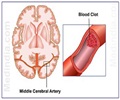
Stroke is a brain attack, which occurs when the blood supply to the brain is interrupted. It affects all age groups; according to the WHO, 15 million people are affected by stroke annually.
Stroke is a brain attack, which occurs when the blood supply to the brain is interrupted. It affects all age groups; according to the WHO, 15 million people are affected by stroke annually.
Visible seizures occurring more than a week after the ICH were classified as remote symptomatic seizures. Such longer-term seizures suggest epilepsy might be developing, said Lauren A. Beslow, M.D., M.S.C.E., lead study author and now an instructor of pediatrics and neurology at Yale University in New Haven, Conn.
Among the study's findings:

Epilepsy and Slides
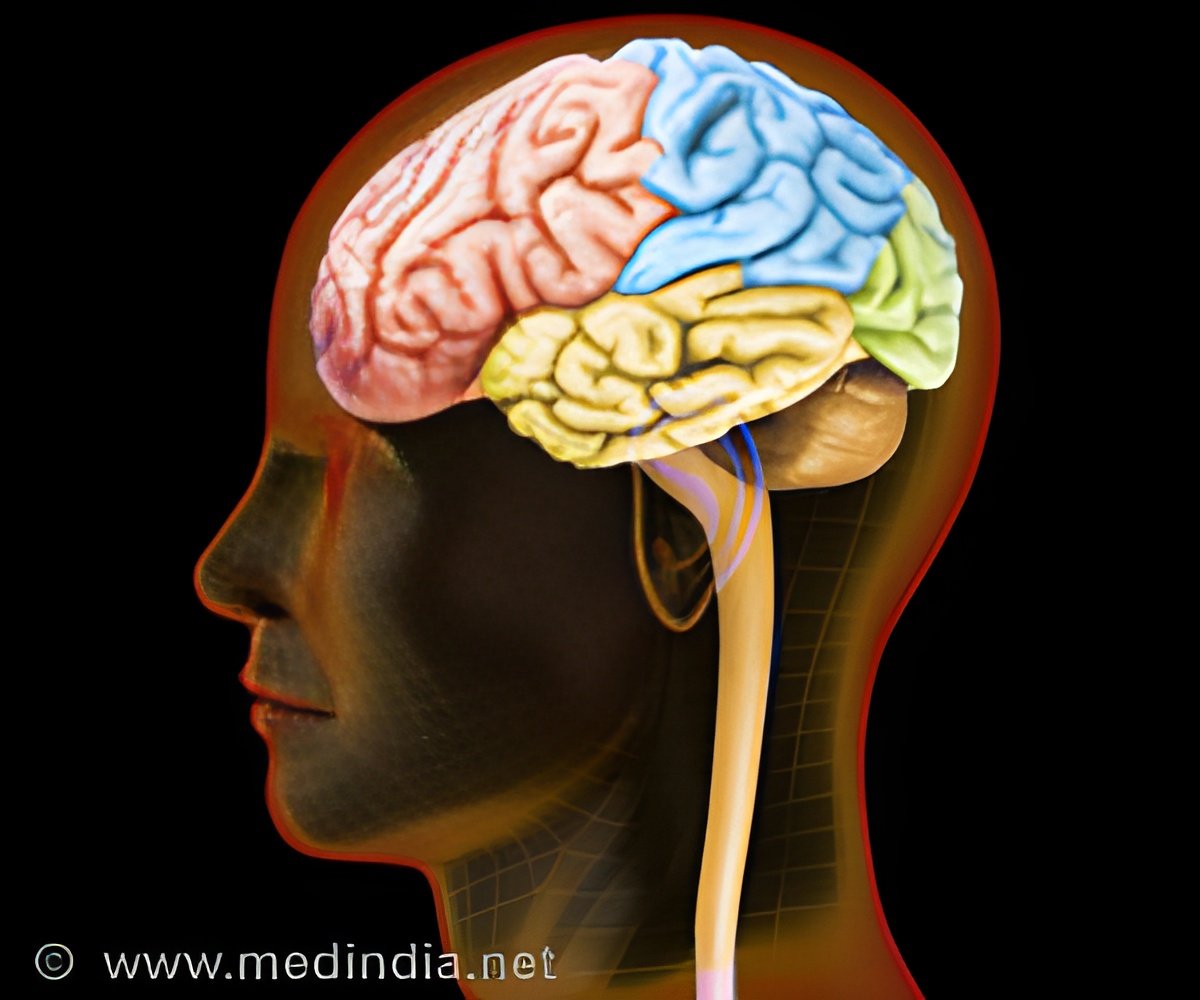
Epilepsy is a medical condition where the brain cells fire abnormal electrical signals that physically manifests as a ‘Seizure’. There should be two or more seizures before the term epilepsy should be used.
Epilepsy is a medical condition where the brain cells fire abnormal electrical signals that physically manifests as a ‘Seizure’. There should be two or more seizures before the term epilepsy should be used.
• Of 32 patients who had continuous electroencephalographic monitoring, 28 percent had seizures that otherwise would have gone undetected. The researchers plan to explore whether these subtle seizures are a risk factor for more seizures, epilepsy or other problems over the long-term.

Quiz on Stroke
Stroke is the third leading cause of death world over. Besides, it also disables the affected people, making them completely dependent on caregivers for their daily needs. Lifestyle greatly affects the chances of developing a stroke. Thus, the incidence of stroke can be brought down to a great extent by leading a healthy lifestyle. Here is a quiz that tests if you know enough about this disabling condition.
Stroke is the third leading cause of death world over. Besides, it also disables the affected people, making them completely dependent on caregivers for their daily needs. Lifestyle greatly affects the chances of developing a stroke. Thus, the incidence of stroke can be brought down to a great extent by leading a healthy lifestyle. Here is a quiz that tests if you know enough about this disabling condition.
• Patients who had elevated pressure in the brain that required medical or surgical treatment were more likely to have later seizures and epilepsy.
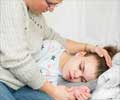
Convulsions / Seizures / Fits - Symptom Evaluation
Seizure or a convulsion is a result of abnormal electrical activity in the brain. If there are two or more unprovoked seizures at an interval of at least 24 hours, it is referred to as epilepsy.
Seizure or a convulsion is a result of abnormal electrical activity in the brain. If there are two or more unprovoked seizures at an interval of at least 24 hours, it is referred to as epilepsy.
A key strength of the study is that data was collected in real time, rather than after the fact. But with just 73 patients and few that had remote seizures or developed epilepsy, the team could not explore all potential risk factors for the development of epilepsy.
Factors that make newborns vulnerable to ICH are not well understood, but include fetal distress, sepsis, blood conditions, exposure to blood thinners, and congenital heart disease. For older children, malformed blood vessels, blood disorders, or exposure to blood thinners can also play a role in developing ICH.
Source-Eurekalert
 Email
Email