MEDINDIA
 English
 हिन्दी
 Español
 français
 中文
中文
Those women who have been vaccinated against HPV need less-intensive screening which can be started later.

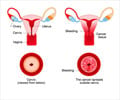
Cervical Cancer - Types, Causes, Symptoms, Diagnosis, Treatment, Complications & Prevention
Cancer cervix refers to cancerous growth in the cervix and usually occurs in the transition called squamo-columnar junction.
Cancer cervix refers to cancerous growth in the cervix and usually occurs in the transition called squamo-columnar junction.
TOP INSIGHT

Discontinuing intensive screening practice for cervical cancer, especially in women who are HPV vaccinated, will help cut excessive costs and the health risks associated with it.
The study will appear in the Journal of the National Cancer Institute (JNCI).
"This analysis enabled us to examine what would happen if we shifted from the current way we screen for cervical cancer--essentially, recommending the same type of screening for all women--to screening that takes into account whether women have been vaccinated against HPV and therefore face a substantially lower risk of cervical cancer," said Jane Kim, professor of health decision science at Harvard Chan School. "We found that continuing intensive screening among HPV-vaccinated women yields excessive costs and harms with little to no health benefit."
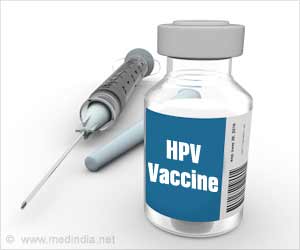
HPV Vaccine to Prevent Cervical Cancer - New Insights
HPV vaccine – A safe and effective treatment in prevention of cervical cancer.
HPV vaccine – A safe and effective treatment in prevention of cervical cancer.
According to the model, women with the lowest risk of cervical cancer--those vaccinated with the new nonavalent HPV vaccine (HPV-9), which targets seven types of HPV that cause nearly 90% of all cervical cancers, would only need screening four times in their life, every 10 years, starting at age 30 or 35.
Quiz on Cervical Cancer
Cervical cancer remains a common cancer in women of the developing world despite a test available for early diagnosis and a vaccine to prevent it. Here’s a quiz to test your knowledge on cervical cancer.
Cervical cancer remains a common cancer in women of the developing world despite a test available for early diagnosis and a vaccine to prevent it. Here’s a quiz to test your knowledge on cervical cancer.
The researchers also found that screening with HPV testing alone would provide similar health benefits and value as a Pap test or co-testing, because the HPV test is highly sensitive and can more efficiently identify women who are likely to develop cervical cancer.
Protein Produced By HPV Suppresses The Immune Response
A protein known as E7, produced by a high-risk type of human papillomavirus may be the key player in suppressing the body's immune response to the virus.
A protein known as E7, produced by a high-risk type of human papillomavirus may be the key player in suppressing the body's immune response to the virus.
Source-Medindia
 Email
Email