MEDINDIA
 English
 हिन्दी
 Español
 français
 中文
中文
If the story of Lord Ganesha is true, as depicted in the Hindu mythology, He is, perhaps, the first example of xeno-transplantation in the world.
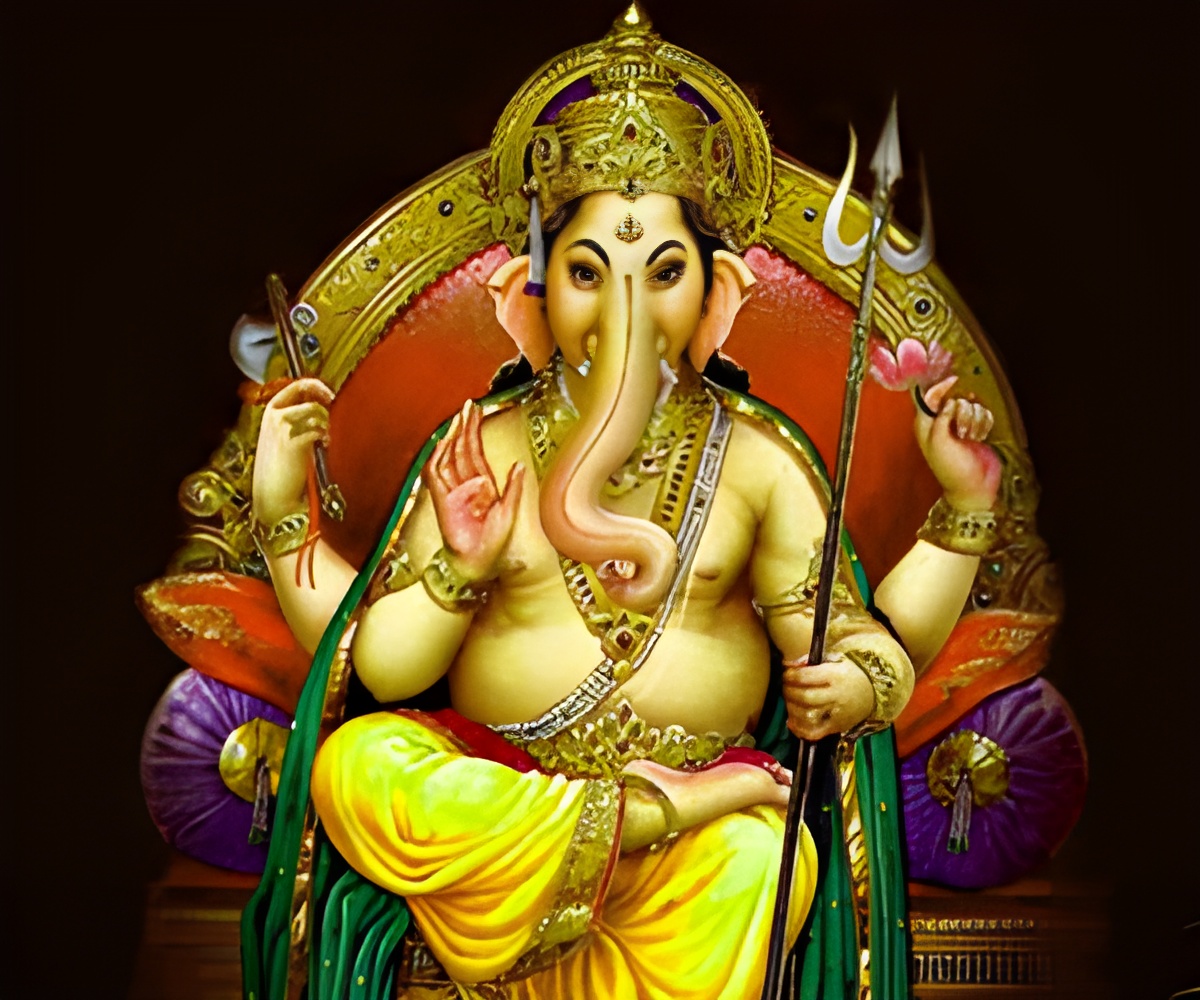
A closer look at the ‘marvelous masterpiece’ unravels the mystery that Ganesha is!
Ganesha – World’s ‘first’ Xeno-transplant
If the story of Lord Ganesha is true, as depicted in the Hindu mythology, He is, perhaps, the first example of xeno-transplantation in the world.
Today, with shortage of organs the world over, the attractive option of using animal organs is being explored all the time. If research could overcome rejection (antigen- antibody reaction), then, using animal body parts for humans could become a reality. Some examples of animal tissue that is used in the humans include heart valves that are derived from pigs.
Ganesha has an elephant’s head on the human body. The transplant is believed to have been performed by Lord Shiva. The scientific significance of Ganesha’s form may be interpreted as follows-
» Lord Ganesha’s accompanying mate is shown as a mouse – which sits in the lower corner of the picture. Most of the transplant research is done on mice before it is extrapolated on humans. There are reasons to ponder if the mouse is depicted for a purpose; giving the small animal its dues.
» After the transplant surgery, Lord Shiva is believed to have given Ganesha an elixir to drink. One cannot help speculating if this was some potion containing an anti-rejection medication. It is common practice to use similar booster anti-rejection drugs during transplant surgeries performed today.
Solid organ transplants are now common venture and almost any organ can be transplanted. Recently there have been instances of face transplants; however head transplant is the most complex of all transplants and no one has attempted this feat. Xeno-transplants of the head are unlikely to be used and can be only be confined to mythological stories such as that of Lord Ganesha.
Reconcile with ‘Recycling’
Ganesha holds a unique niche in the minds of millions of devotees the world over. On the tenth day, the festivities of Ganesh Chaturthi meet a watery end, when clay idols of Ganesh are immersed in local water bodies. This is in accordance to the law of natural recycling.
Source-Medindia
 Email
Email