MEDINDIA
 English
 हिन्दी
 Español
 français
 中文
中文
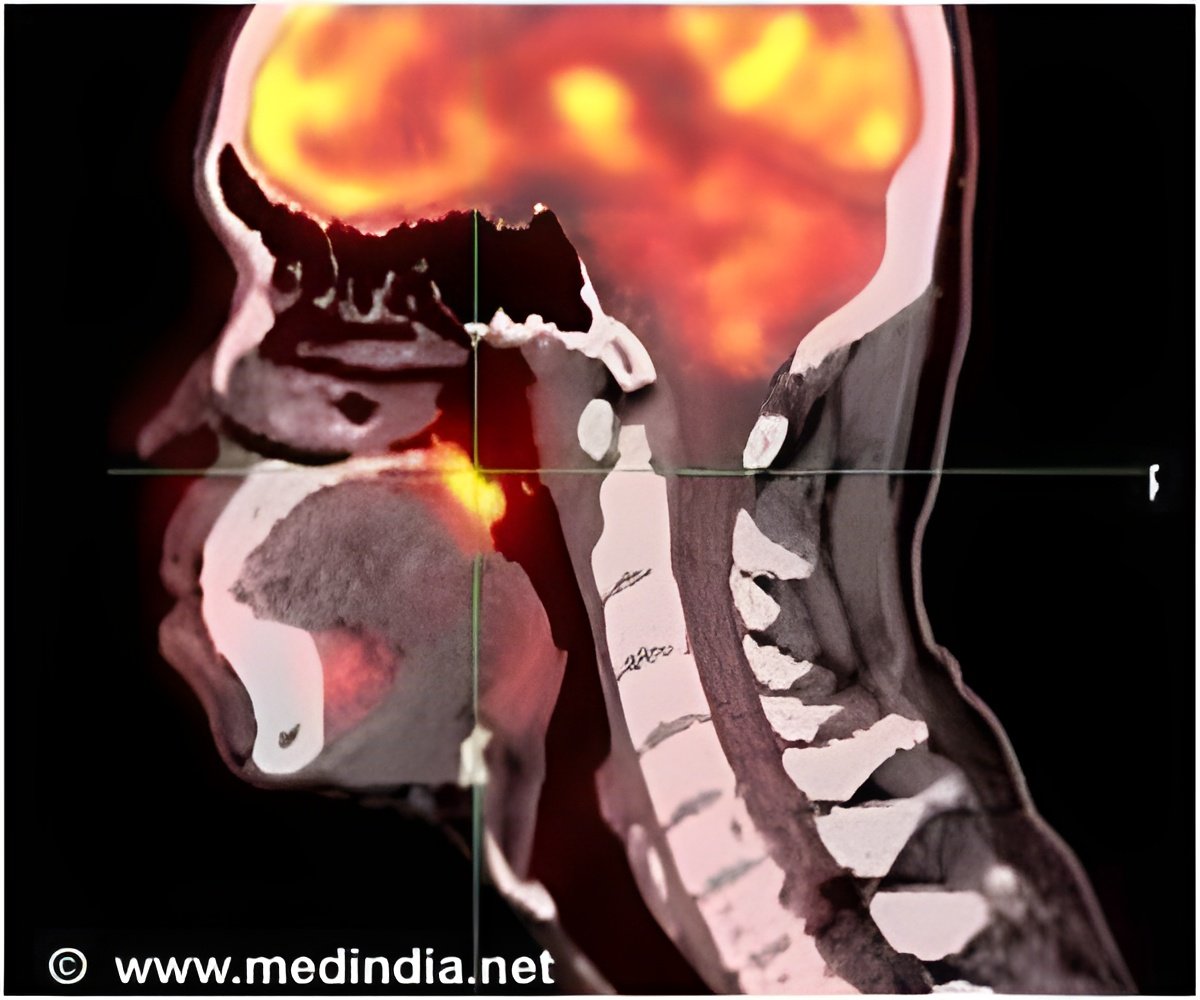
A new study has found that nisin, a common food preservative, has the potency to slow or even stop the growth of certain head and neck cancers.

Food Preservatives - How Safe Are They?
Food preservatives are basically antimicrobials or anti-oxidants that help preserve food by destroying the microbes and stopping decomposition of food products.
Food preservatives are basically antimicrobials or anti-oxidants that help preserve food by destroying the microbes and stopping decomposition of food products.
The U-M study, which looked at the use of antimicrobials to fight cancerous tumors, suggests nisin, in part, slows cell proliferation or causes cell death through the activation of a protein called CHAC1 in cancer cells, a protein known to influence cell death.
The study is the first to show CHAC1's new role in promoting cancer cell death under nisin treatment. The findings also suggest that nisin may work by creating pores in the cancer cell membranes that allow an influx of calcium. It's unclear what role calcium plays in nisin-triggered cell death, but it's well known that calcium is a key regulator in cell death and survival.

Food Additives - Types Functions Miscellaneous Fast Foods Conclusions FAQs
A food additive is a non-nutritive substance added deliberately to any food product to improve its color, texture, flavor or shelf life
A food additive is a non-nutritive substance added deliberately to any food product to improve its color, texture, flavor or shelf life
Source-ANI

Top 12 Dangerous Food Additives
Find out how food additives for almost every food that you consume come with danger signals and make way into your food and impact your health.
Find out how food additives for almost every food that you consume come with danger signals and make way into your food and impact your health.

Organic Foods - 'Natural products'
Organic Foods are produced by the ‘natural method’, without the use of chemicals like pesticides, fertilizers or sewage sludge.
Organic Foods are produced by the ‘natural method’, without the use of chemicals like pesticides, fertilizers or sewage sludge.
 Email
Email