MEDINDIA
 English
 हिन्दी
 Español
 français
 中文
中文
Even when we think we're not expressing, the emotions are still there. Over time, your face reflects and reveals your social class, as you interact.

Researchers Figure Out The Association Between Socioeconomic Status And Life Span
High socioeconomic status was linked with better health and lower mortality by research for a long time.
High socioeconomic status was linked with better health and lower mortality by research for a long time.
TOP INSIGHT

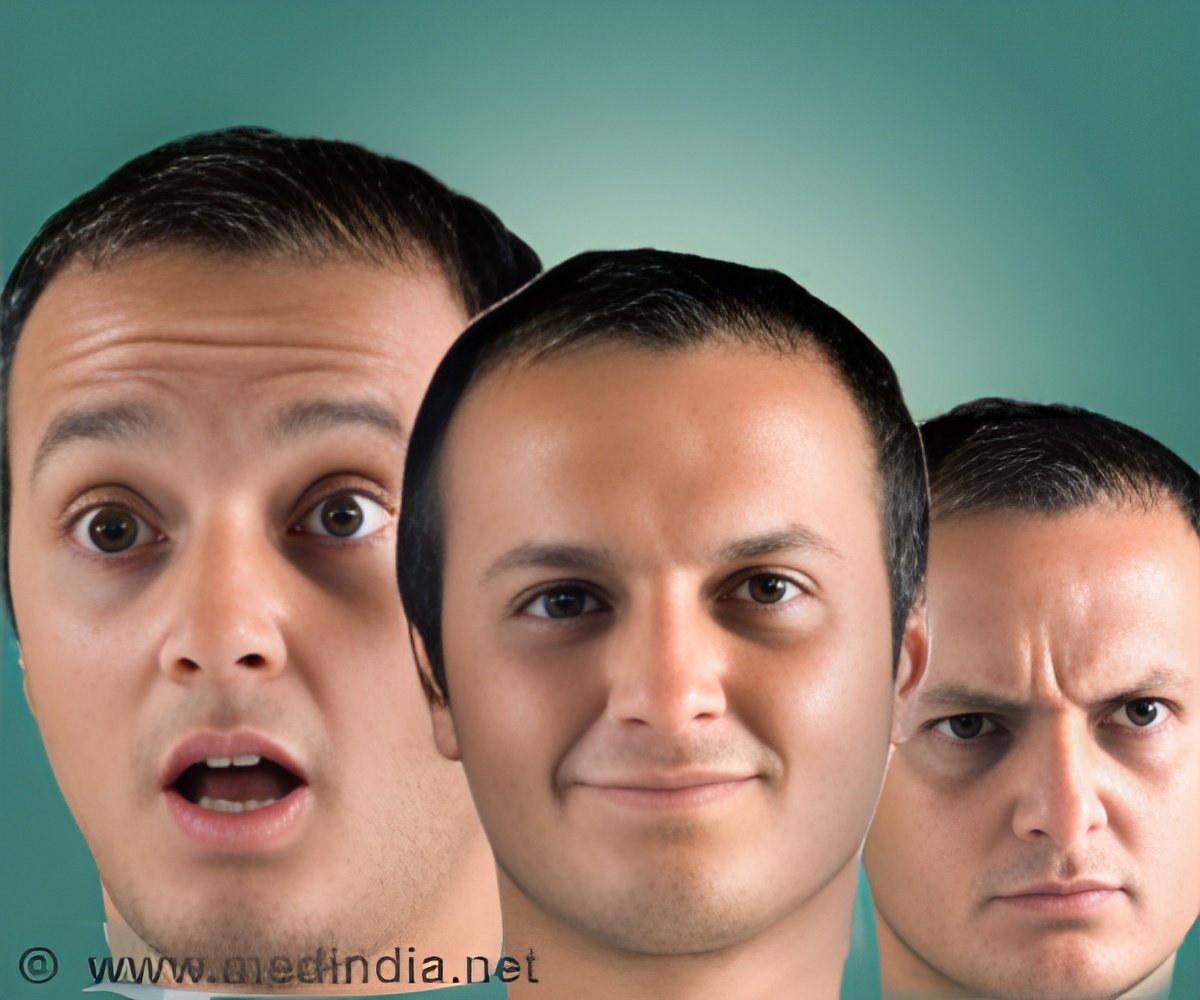
There are about 43 muscles in the face and emotions become etched on a person's face by their late teens or early adulthood.
"Those first impressions can become a sort of self-fulfilling prophesy. It’s going to influence your interactions, and the opportunities you have."
Just as interestingly, the researchers found the ability to read a person’s social class only applies to their neutral face and not when people are smiling or expressing emotions. Their conclusion is that emotions mask life-long habits of expression that become etched on a person’s face even by their late teens or early adulthood, such as frequent happiness, which is stereotypically associated with being wealthy and satisfied.
Research Decodes How Brain Processes Facial Expressions and Emotions
The way in which human and primate brains process and interpret facial expressions has been clarified in new studies.
The way in which human and primate brains process and interpret facial expressions has been clarified in new studies.
The results were not affected by the race or gender of the face, or how much time people were given to study them. All of which is consistent with what is known about nonverbal behaviour.

Surreptitiously Inducing Facial Expressions Does Not Affect the Emotional State
There is no evidence that surreptitiously inducing people to smile or frown affects their emotional state, suggested a coordinated replication effort.
There is no evidence that surreptitiously inducing people to smile or frown affects their emotional state, suggested a coordinated replication effort.
"People talk about the cycle of poverty, and this is potentially one contributor to that," said Rule. The study appears in the Journal of Personality and Social Psychology.

Teens With PTSD Have Difficulty Recognizing Facial Expressions
Exposure to stress and trauma can have acute emotional impacts that simply translate to misidentification of important affective cues.
Exposure to stress and trauma can have acute emotional impacts that simply translate to misidentification of important affective cues.
Source-ANI
 Email
Email