MEDINDIA
 English
 हिन्दी
 Español
 français
 中文
中文
Adverse clinical events in athletes are explained by exercise acting as a trigger in individuals who are susceptible because of an underlying abnormality.

Benefits of Aerobic Exercises
Aerobics is a physical exercise that includes activities like dance, cycling, running, stretching and many more. Aerobic exercise can benefit your health in many ways.
Aerobics is a physical exercise that includes activities like dance, cycling, running, stretching and many more. Aerobic exercise can benefit your health in many ways.
TOP INSIGHT

All available therapies, be it physical activity or medication have a dose-response relationship whereby benefits diminish at high doses and the risk of adverse events increases.
As Dr. La Gerche points out, all available therapies, pharmacological or otherwise, have a dose-response relationship whereby benefits diminish at high doses and the risk of adverse events increases. An open mind would consider that this may even be possible for exercise.
A commonly held view is that adverse clinical events in athletes are explained by exercise acting as a trigger in individuals who are susceptible because of an underlying abnormality. Dr. La Gerche excludes inherited conditions from this discussion, focusing instead on whether exercise may affect a change in the heart that may serve as a cause of arrhythmias in its own right. He reviews the following emerging controversies:

Exercise - Benefits - Planning - Workout-Schedule - Tips to Lose Weight
It is important for us to understand the power of daily exercise. Only then can we motivate ourselves to inculcate the habit of exercise on a daily basis.
It is important for us to understand the power of daily exercise. Only then can we motivate ourselves to inculcate the habit of exercise on a daily basis.
- Is there a non-linear dose-response relationship with exercise?
- Elite athletes tend to live longer but is this the effect of exercise or other factors such as the absence of smoking and alcohol consumption?
- Is endurance exercise in athletes associated with arrhythmias?
- What are the potential mechanisms that predispose athletes to arrhythmias?
- Is chronic cardiac remodelling a consequence of repeated bouts of injury?
- Why is there disproportionate right ventricular (RV) injury following an acute bout of intense exercise and are there any long-term consequences?
- Is the risk of ischemic heart disease increased with intense exercise?
Many of these controversies are based on small cross-sectional cohort studies and small mechanistic studies that are dwarfed by the large population studies supporting the benefits of exercise, albeit in doses of exercise less than those commonly practiced by elite sportspersons, notes Dr. La Gerche.

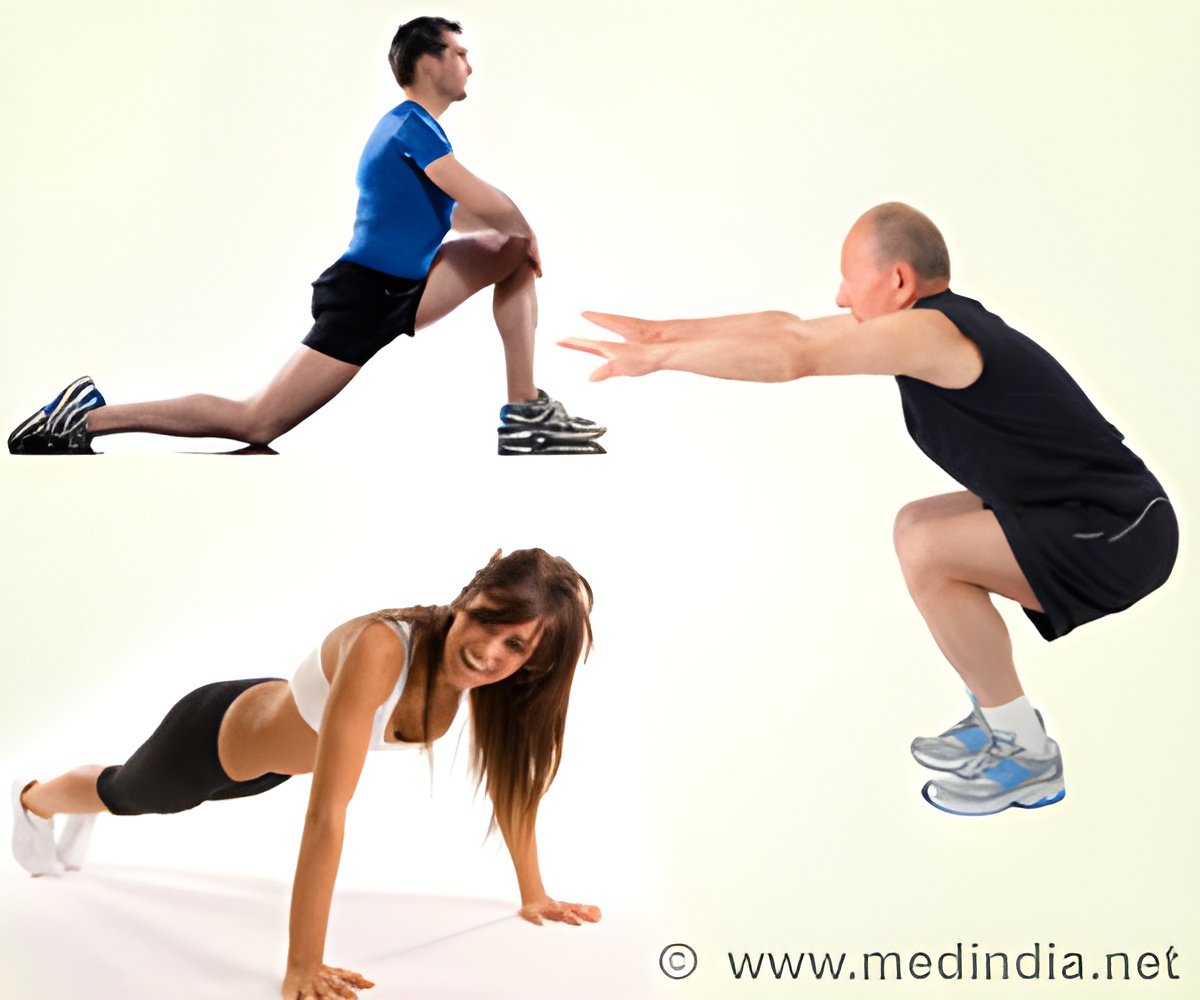
Exercise and Fitness - Benefits - Classification - Options - Kick Off
Exercise is about revamping your lifestyle, not just weight loss. Exercise to get healthy – that way, you’ll last longer at it and get better results.
Exercise is about revamping your lifestyle, not just weight loss. Exercise to get healthy – that way, you’ll last longer at it and get better results.

Exercises You Can Do at Your Work Desk
Easy work exercises involve sitting, standing, stretching, yoga, and breathing techniques for the muscles of the hands, shoulders, wrists, neck, back, legs, and ankles.
Easy work exercises involve sitting, standing, stretching, yoga, and breathing techniques for the muscles of the hands, shoulders, wrists, neck, back, legs, and ankles.
 Email
Email