MEDINDIA
 English
 हिन्दी
 Español
 français
 中文
中文
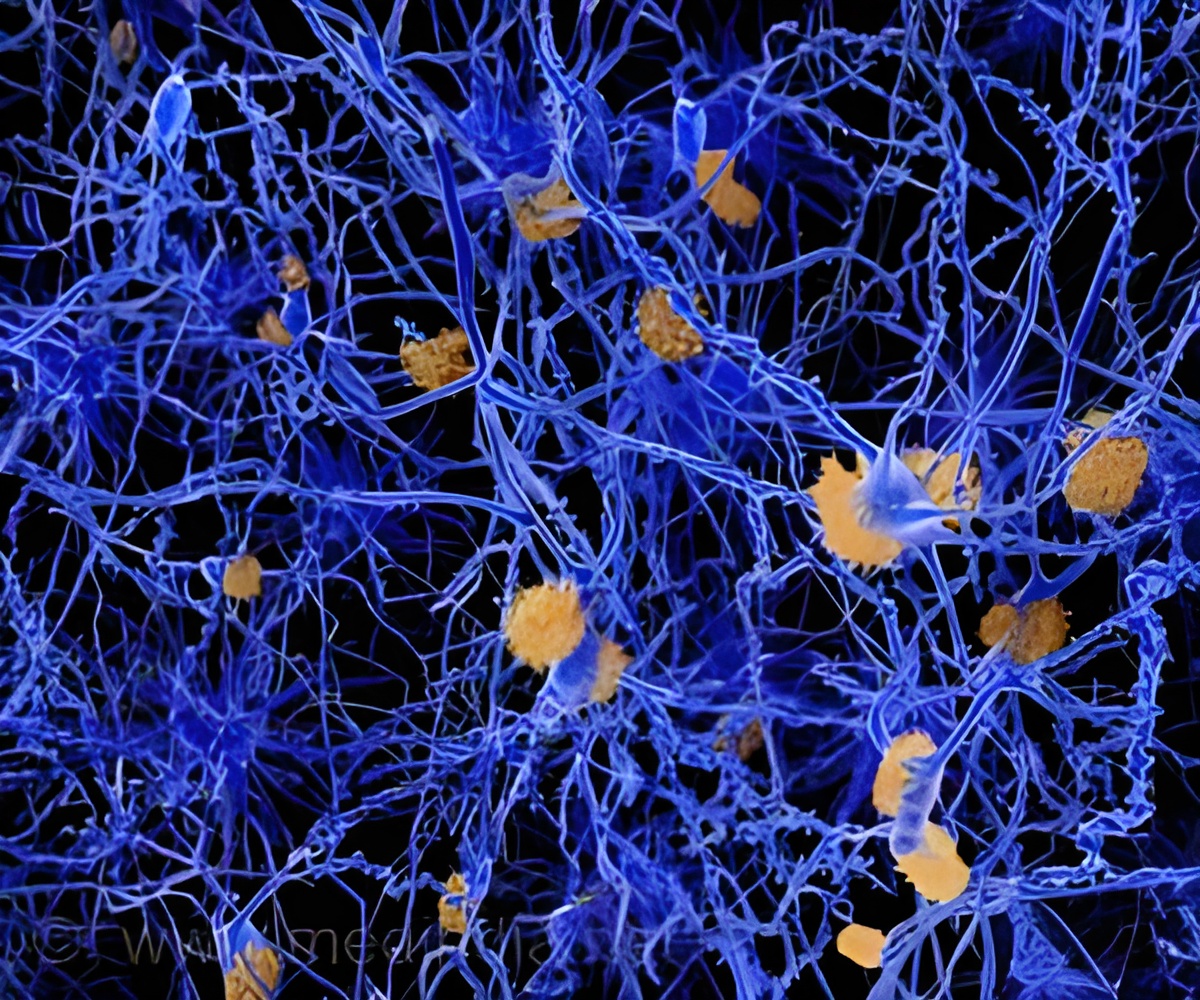
The model for memory consolidation claims that the hippocampus forms new memories and, as time goes on, trains the cortex to store enduring memories.

Brain Exercises to Improve Memory
An active brain can certainly help in improving memory by strengthening the connections between neural impulses in brain.
An active brain can certainly help in improving memory by strengthening the connections between neural impulses in brain.
TOP INSIGHT

The brain area hippocampus involved in memory consolidation in mice, and which is associated with human patients with memory disorders-provide an inroad for further research and analysis.
Learning, Recalling, and Thinking - Discovering the Brain
Armed with this new technology, Rajasethupathy and her team began investigating how memories consolidate in mice. Since the mice would need to stay relatively still for weeks of imaging, the team had the mice run in place on an axially rotating styrofoam ball, akin to a treadmill, while viewing virtual reality mazes. The mice received very high rewards for making certain turns in the maze, while their other navigational decisions resulted in minor positive or negative feedback. One month later, the mice were still scampering solely toward those areas in the maze that had resulted in the high rewards, a clear indication that they only remembered decisions that had resulted in high payoffs."The key was that the mice could learn all three outcomes in the short-term—very high rewarding, low rewarding, and adverse—but only the high reward would be remembered a month out, because it was the most salient memory," says Josue Regalado, a PhD student in Rajasethupathy's lab and co-author of the study. "That way, we could measure the differences in the neural circuit when recording memories that will be conserved."
The team found that the brain's anterior thalamus appears to referee memory-consolidating interactions between the hippocampus and the cortex. While Rajasethupathy found this surprising—"the anterior thalamus hasn't been a prominent part of memory consolidation models"—the finding also made some sense. She knew that humans with Korsakoff Syndrome suffer severe amnesia and memory loss, and happen to have lesions on the anterior thalamus.

Foods to Improve Memory Power | Memory Boosting Foods
Eating healthy nutritious foods can help improve memory power and prevent brain-related illness. Eat foods that have numerous health benefits for keeping your brain healthy.
Eating healthy nutritious foods can help improve memory power and prevent brain-related illness. Eat foods that have numerous health benefits for keeping your brain healthy.
"There are a lot of ways to make memories not happen," Regalado says. "One of the major breakthroughs of this paper is that we show that manipulating the anterior thalamus is one way to increase the importance of a memory, and make the mice store it long-term."

Memory Loss - Can it be Recovered?
Memory loss or amnesia can be recovered when the cause is reversible, like minor head injury, anxiety, depression, stress, hypothyroidism and vitamin B12 deficiency.
Memory loss or amnesia can be recovered when the cause is reversible, like minor head injury, anxiety, depression, stress, hypothyroidism and vitamin B12 deficiency.
Even then, the thalamus is likely only part of a developing story. "We don't think the thalamus is the only region needed for memory consolidation, and we hope our findings will be blended with other models out there describing this intervening region," she says.

Quiz on Memory Loss
Whether it is a short term memory loss just as Dory in 'Finding Nemo' had or a more permanent one because of neurodegenerative diseases, it can adversely affect one's quality of life. Take this quiz to know more about interesting facts on memory loss / amnesia.
“Without memory, there is no culture. Without memory, there would be no civilization, no society, no future.” - Elie Wiesel
Whether it is a short term memory loss just as Dory in 'Finding Nemo' had or a more permanent one because of neurodegenerative diseases, it can adversely affect one's quality of life. Take this quiz to know more about interesting facts on memory loss / amnesia.
 Email
Email