MEDINDIA
 English
 हिन्दी
 Español
 français
 中文
中文
The routinely used hospital tool can predict which liver transplant recipients are more likely to do poorly after surgery.
Liver Transplantation - Facts, Contraindications, Procedure, Follow up, Complications & Prognosis
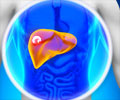
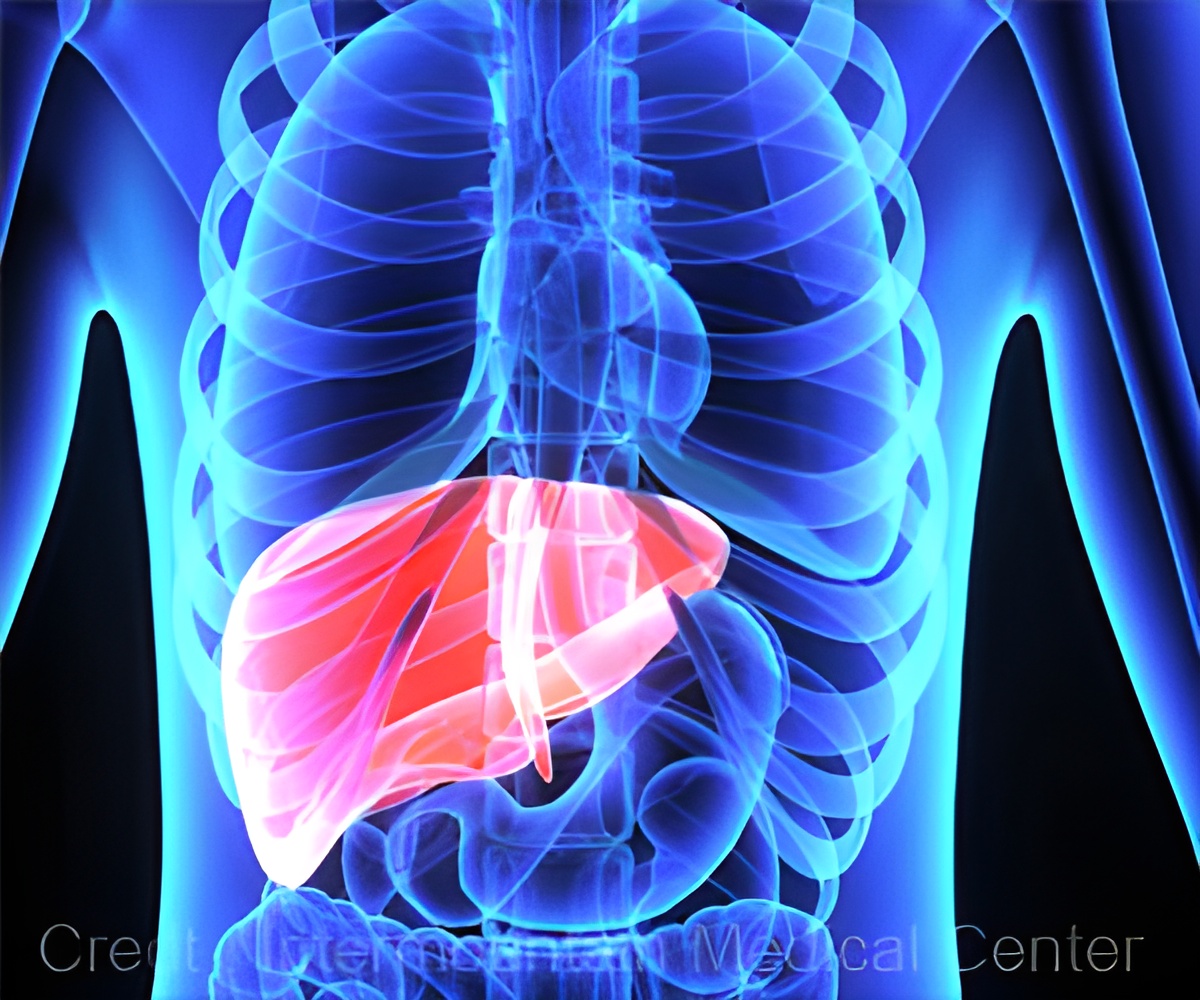
Liver transplantation is a surgical option for the treatment of liver failure where the diseased liver is replaced with a healthy one.
Liver transplantation is a surgical option for the treatment of liver failure where the diseased liver is replaced with a healthy one.
TOP INSIGHT

Braden scale rates patients based on their activity level, mobility, nutrition and other measures of frailty and evaluate whether newly admitted patients need extra care to avoid developing or worsening pressure ulcers.
The Braden Scale aims to evaluate whether newly admitted patients need extra care to avoid developing or worsening pressure ulcers, or bedsores. The scale rates patients based on their activity level, mobility, nutrition and other measures of frailty. A low score is associated with greater frailty and increased risk of bedsores.
The investigators reviewed 341 medical records of liver transplant patients at Cedars-Sinai and the Oregon Health and Science University in Portland. They found that liver transplant patients with lower Braden Scale scores were more likely to be nonambulatory at discharge, discharged to a rehabilitation facility and have longer hospital stays compared with transplant patients with higher scores.

Common Types of Liver diseases leading to Liver Transplantation
Liver disease that ends in liver failure (end stage liver disease), disrupting several important metabolic functions needs liver transplant for patient survival.
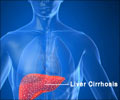
Liver disease that ends in liver failure (end stage liver disease), disrupting several important metabolic functions needs liver transplant for patient survival.
"So doctors are rightly turning their attention to improving quality of life. The problem is that we have no good way to measure how well these patients will do. Our findings provide a way to achieve that so that we can take preventive action."
Living Donor Liver Transplant: What Are the Risks? - Causes, Symptoms, Diagnosis, Treatment
The risk of dying as a result of a living donor liver segment removal is between 0.2-2.0%. The risk of morbidity is anywhere between 1.3% (in highly experienced centers) to 60%.
The risk of dying as a result of a living donor liver segment removal is between 0.2-2.0%. The risk of morbidity is anywhere between 1.3% (in highly experienced centers) to 60%.
"These programs could improve physical functioning and, ultimately, quality of life," Sundaram said.
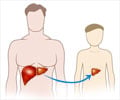
Adult to Child Living Donor Liver Transplantation
Adult to child liver transplantation refers to removing a small segment of liver from an adult and transplanting this segment into a child.
Adult to child liver transplantation refers to removing a small segment of liver from an adult and transplanting this segment into a child.
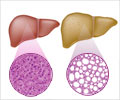
More than 7,000 liver transplantations are performed annually in the U.S. for end-stage liver disease that may be caused by conditions such as hepatitis C virus infection, alcoholic liver disease, nonalcoholic fatty liver disease and genetic disorders.
The three-year survival rate for these patients after transplantation averages about 86 percent, according to the American Liver Foundation.
Source-Eurekalert
 Email
Email