MEDINDIA
 English
 हिन्दी
 Español
 français
 中文
中文
A new discovery done by a time lapse study of human embryonic stem cells has led to the identification of bottlenecks that restrict the formation of colonies
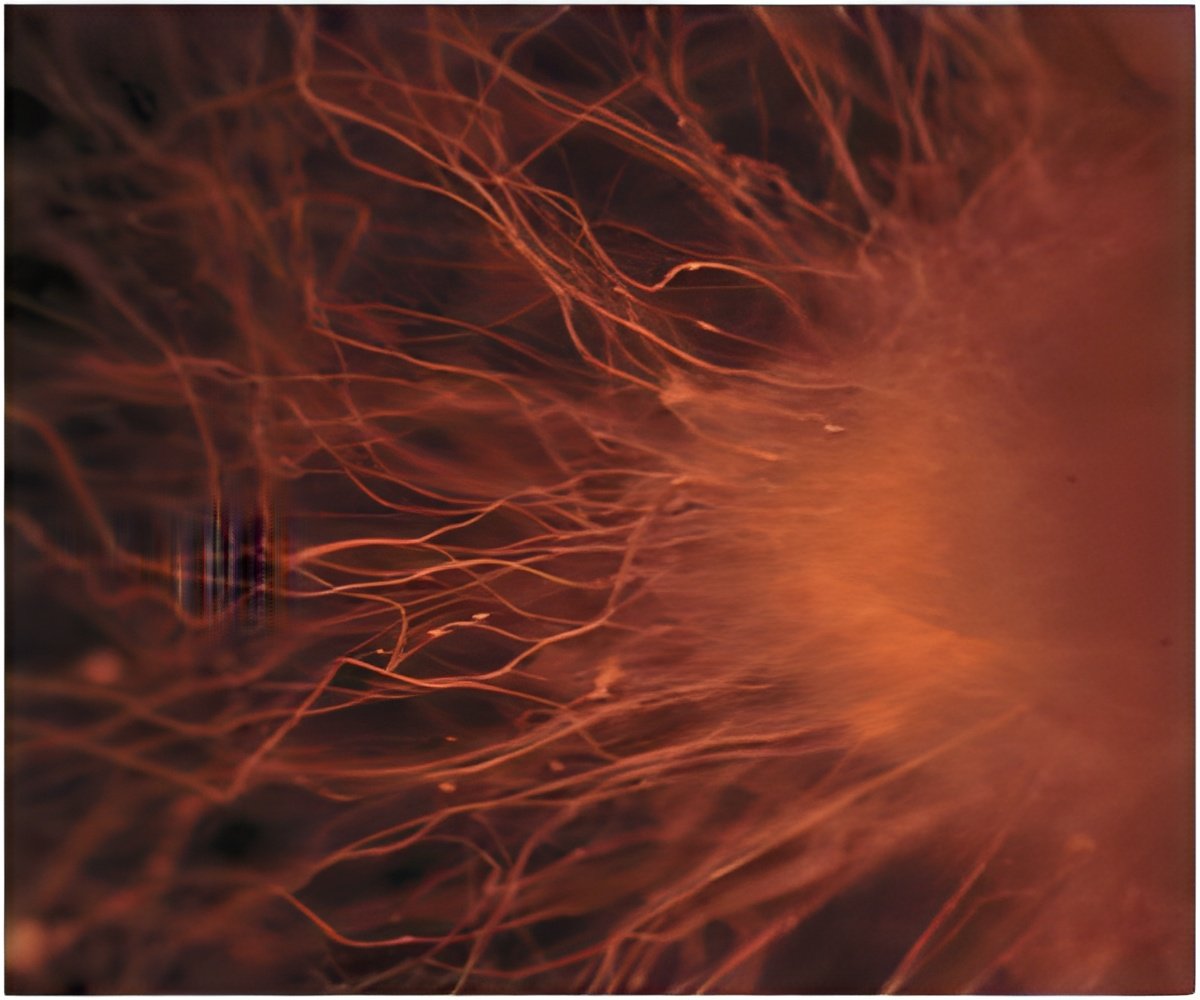

Researchers used time-lapse imaging of single human embryonic stem cells to identify aspects of their behaviour that restrict growth and would be targets for mutations that allow cells to grow more efficiently.
Dr Ivana Barbaric, from the University of Sheffield's Department of Biomedical Science, said: "We study pluripotent stem cells, which have huge potential for use in regenerative medicine due to their ability to become any cell in the human body. A pre-requisite for this is maintaining large numbers of undifferentiated cells in culture. However, there are several obstacles such as cells tend to die extensively during culturing and they can mutate spontaneously. Some of these genetic mutations are known to provide stem cells with superior growth, allowing them to overtake the culture – a phenomenon termed culture adaptation, which mimics the behaviour of cancer cells.
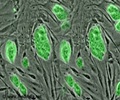
The team's research combined the use of time-lapse microscopy, single-cell tracking and mathematical modelling to characterise bottlenecks affecting the survival of normal human embryonic stem cells and compared them with adapted cells.
In the same culture condition, they found adapted cells performed better in all of these points leading to more colonies. Bottlenecks were also alleviated through cell to cell contact and pro-survival compounds.
She added: "We plan to further develop the methods from this study into an image processing and analysis software solution to be used for monitoring cell behaviour in applications such as screening culture conditions, drug discovery, monitoring and minimising the occurrence of genetic abnormalities directly through time-lapse."
Source-Eurekalert
 Email
Email