MEDINDIA
 English
 हिन्दी
 Español
 français
 中文
中文
Children with autism, from the earliest point in development, avoid looking at people's eyes, and become confused in rapidly changing social situations.
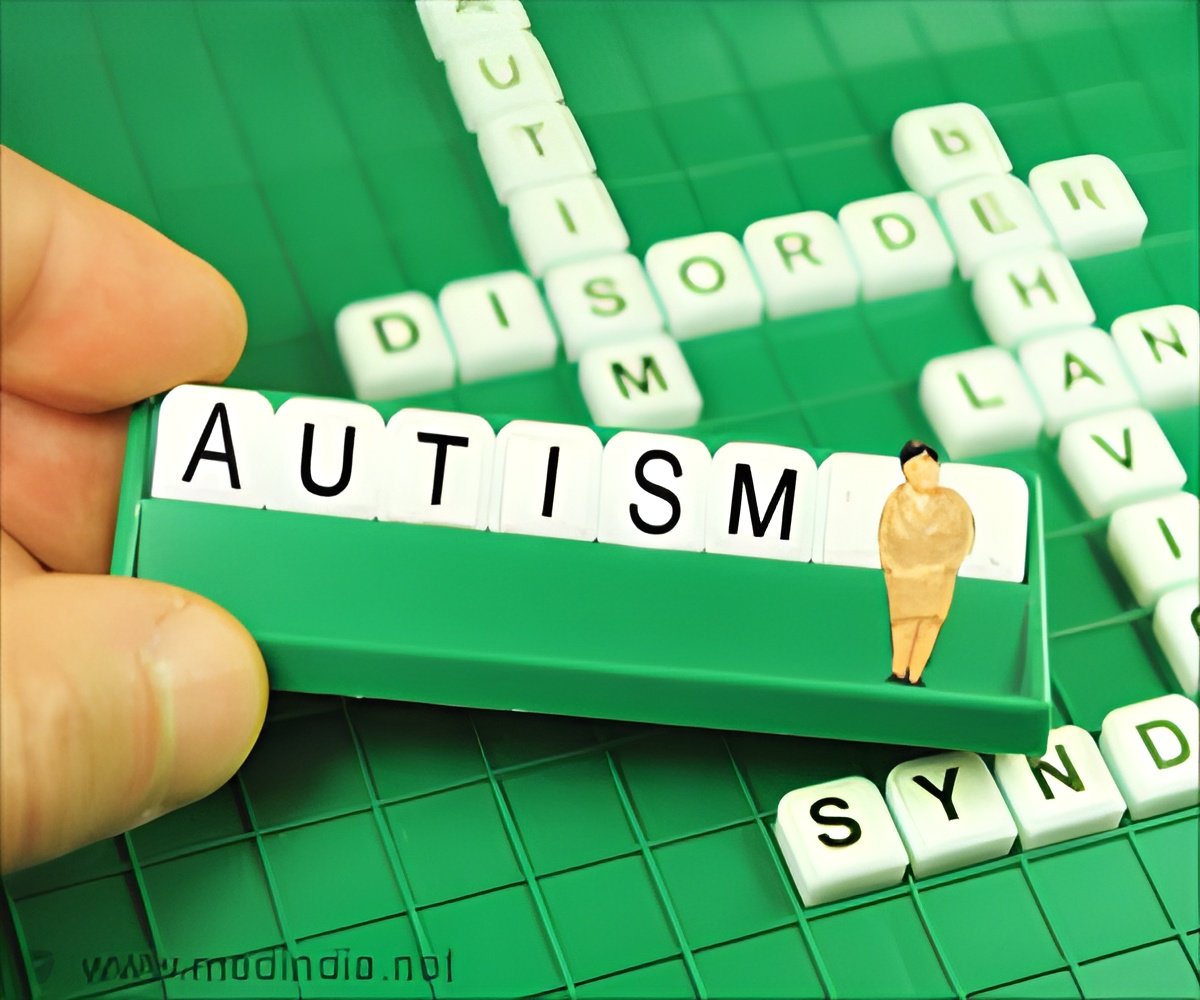
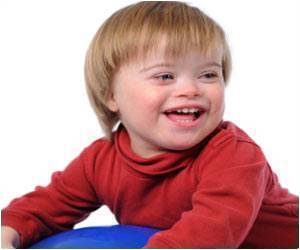
Signs of Autism Differ Between Boys and Girls Because of a Difference in Brain
Knowledge of the difference could help clinicians better recognize and treat autism in both sexes, said Vinod Menon, the study's senior author.
Knowledge of the difference could help clinicians better recognize and treat autism in both sexes, said Vinod Menon, the study's senior author.
"This disability may be both a marker of the early-onset empathy difficulties in autism, and contribute to exacerbating them," Allison noted.
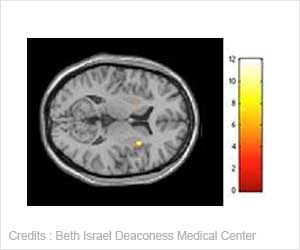
For the study, people with autism took the 'Reading the Mind in the Eyes' test known as an advanced 'theory of mind' or empathy test, designed to reveal subtle individual differences in social sensitivity.

New Genetic Tests To Help Identify Mutations Linked To Autism Developed
When CMA and WES tests were combined 16% of families were provided with some genetic clues as the reason for their children to develop autism.
When CMA and WES tests were combined 16% of families were provided with some genetic clues as the reason for their children to develop autism.
Instead, both men and women with autism scored low on the test.
Younger Children Diagnosed With Autism Spectrum Disorder Is Increasing in Australia
Around 2.5 percent of four and five year olds have autism spectrum condition when compared to 1.5 percent of all 10 and 11 year olds in Australia.
Around 2.5 percent of four and five year olds have autism spectrum condition when compared to 1.5 percent of all 10 and 11 year olds in Australia.
"In addition, women with autism differ more from typical women than men with autism differ from typical men," Lai pointed out.

People With Autism Display Higher Levels of Creativity, Says New Study
People with autism were far more likely to come up with unique answers to creative problems despite having traits that can make it difficult to find jobs.
People with autism were far more likely to come up with unique answers to creative problems despite having traits that can make it difficult to find jobs.
Source-IANS
 Email
Email