MEDINDIA
 English
 हिन्दी
 Español
 français
 中文
中文
Simple and advanced computed tomography (CT) is useful in accurately predicting which stroke patients would benefit from endovascular thrombectomy.
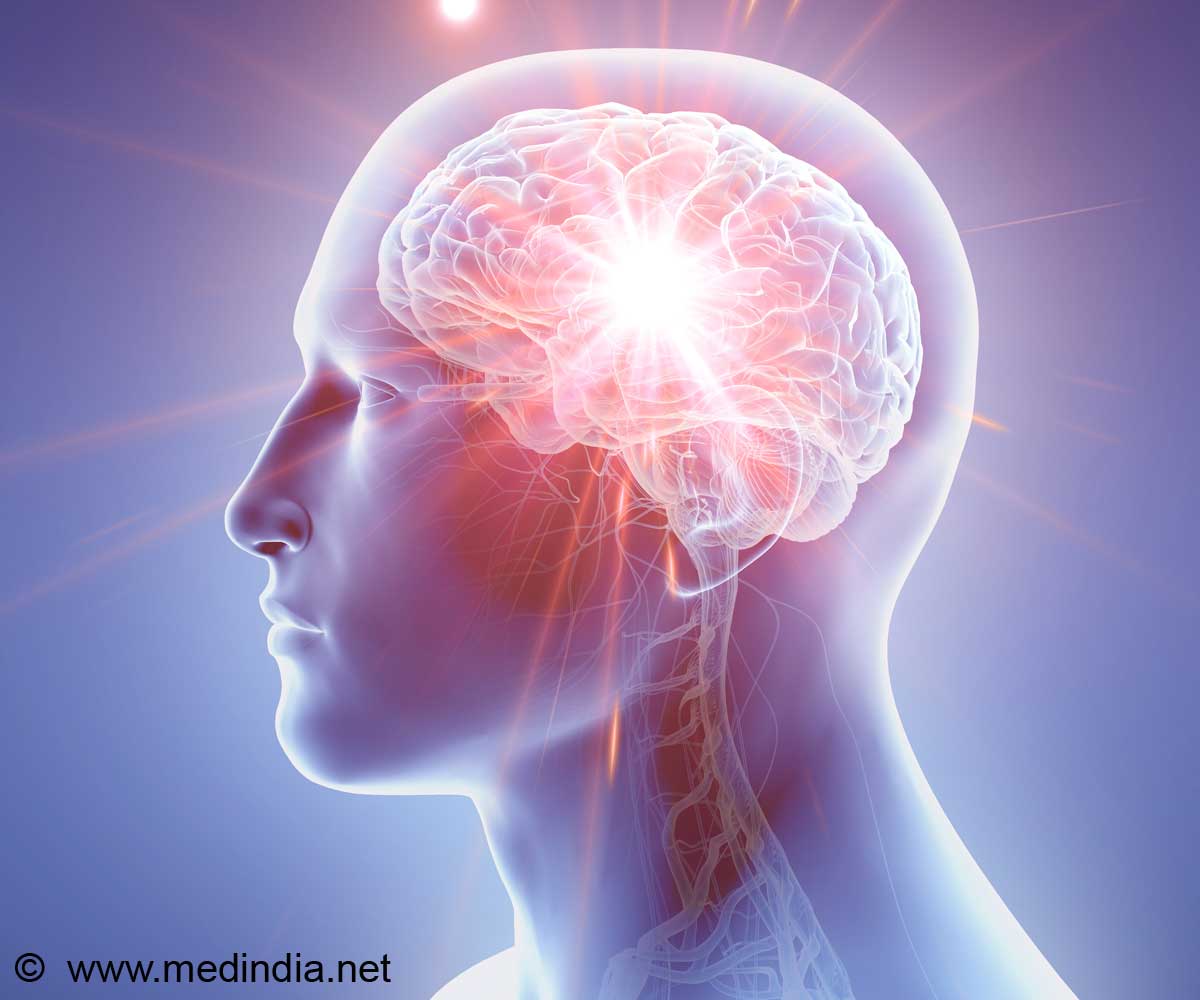
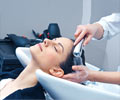
Beauty Parlor Stroke Syndrome | Vertebrobasilar Insufficiency - Causes, Symptoms, Diagnosis and Treatment
Beauty parlor stroke syndrome is a form of vertebrobasilar insufficiency that causes symptoms of mild to severe stroke after a hair wash in a beauty parlor.
Beauty parlor stroke syndrome is a form of vertebrobasilar insufficiency that causes symptoms of mild to severe stroke after a hair wash in a beauty parlor.
TOP INSIGHT

Endovascular thrombectomy has revolutionized the treatment for acute stroke patients presenting with large vessel occlusion. Different imaging techniques are used to identify patients who may benefit from this treatment.
"Endovascular thrombectomy has revolutionized the treatment for acute stroke patients presenting with large vessel occlusion. Different imaging techniques are used to identify patients who may benefit from this treatment. However, how these imaging profiles correlate with each other and with the stroke outcomes is unknown," said Amrou Sarraj, MD, lead author and associate professor of neurology at McGovern Medical School at UTHealth.
Imaging must be done to determine the location of the clot and whether the patient is a good candidate for thrombectomy, meaning they have a smaller area of brain tissue death. Physicians use non-contrast simple CT and/or CT with an injected contrast dye (CT perfusion) to view the clot and surrounding area of cellular death. While simple CT is readily available at most hospitals, CT perfusion tends to be only available at more advanced stroke centers.
Heat Stroke - Causes - Symptoms - Treatment - FAQs
Heat stroke is caused when body temperature or hyperthermia exceeds 40.6°C or 105.1°F. Heat stroke can be triggered due to overwork during summer months and lack of perspiration.
Heat stroke is caused when body temperature or hyperthermia exceeds 40.6°C or 105.1°F. Heat stroke can be triggered due to overwork during summer months and lack of perspiration.
Even when the two imaging modalities disagreed, the functional and safety outcomes were reasonable (38% achieved functional independence), which was better than the patients who did not receive thrombectomy. Patients with an unfavorable result on CT perfusion imaging, but favorable on simple CT, had higher rates of symptomatic hemorrhage in the brain tissue and death after stroke. Patients with unfavorable imaging profiles on both modalities had very poor outcomes.
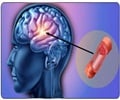
How to Deal with a Stroke - Signs - Symptoms - Risk Factors - Prevention
Stroke is a brain attack, which occurs when the blood supply to the brain is interrupted. It affects all age groups; according to the WHO, 15 million people are affected by stroke annually.
Stroke is a brain attack, which occurs when the blood supply to the brain is interrupted. It affects all age groups; according to the WHO, 15 million people are affected by stroke annually.
The ongoing international Phase III randomized controlled trial, SELECT2, also led by Sarraj, will assess the efficacy and safety of thrombectomy procedure in patients with unfavorable profile on one or both imaging modalities. The SELECT trials are funded by grants from Stryker Neurovascular.
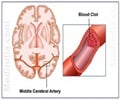
Stroke – Early Warning Signs - Risk Factor - Rehab - Treatment
Stroke can cause permanent disability and it is important to recognize its early warning signs to stop its progress. Early warning signs of stroke include sudden weakness of facial muscles.
Stroke can cause permanent disability and it is important to recognize its early warning signs to stop its progress. Early warning signs of stroke include sudden weakness of facial muscles.
 Email
Email