MEDINDIA
 English
 हिन्दी
 Español
 français
 中文
中文
Poor patients who have access to care may still get inappropriate treatment, even when they do receive adequate therapy (surgery), disparities are prevalent.
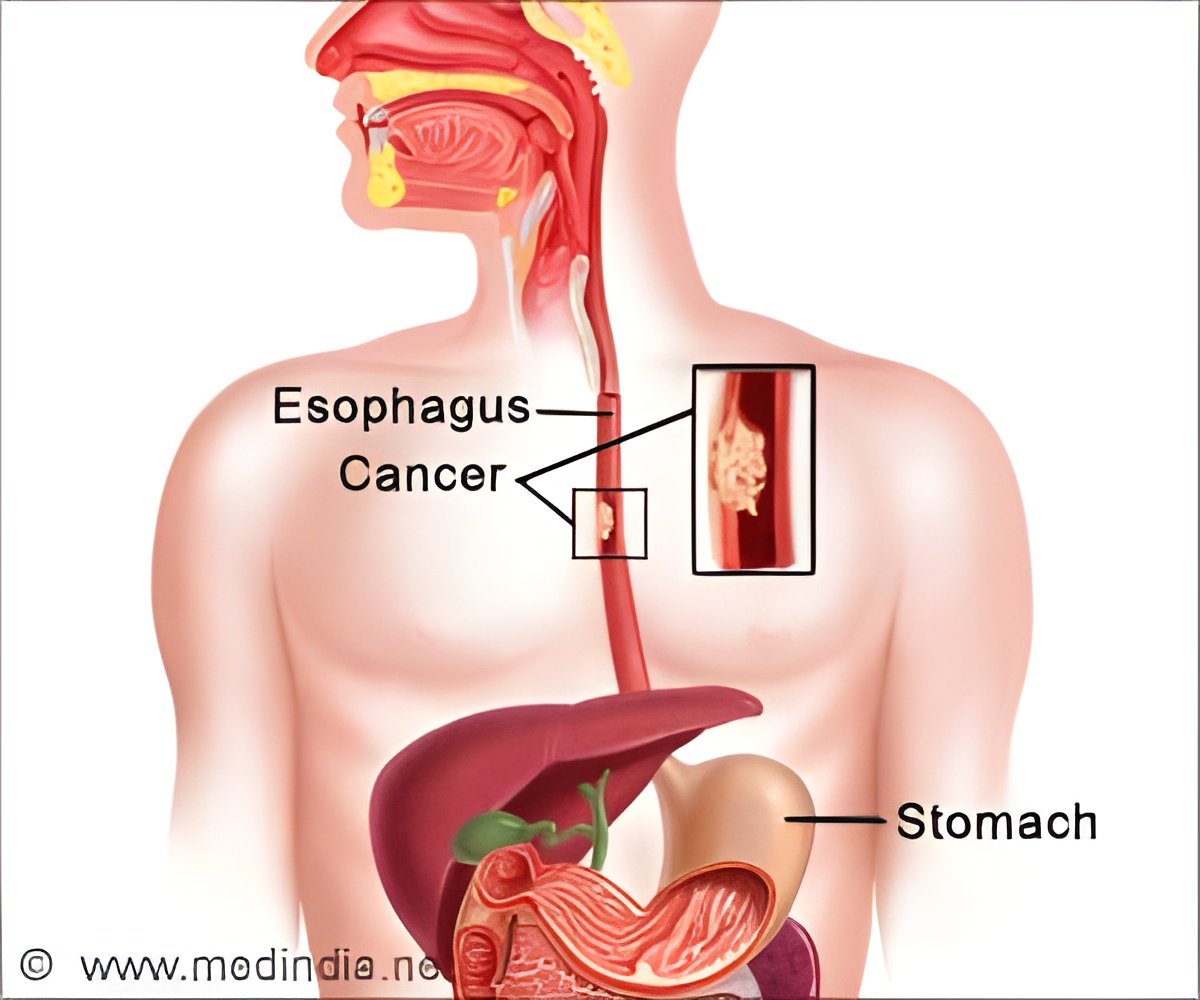

New Technique �Pill On a String� Developed To Detect Esophageal Cancer At An Early Stage
'Cytosponge' inside the pill, when swallowed, dissolves to a sponge that scrapes off all cells including abnormal ones when withdrawn up the esophagus.
'Cytosponge' inside the pill, when swallowed, dissolves to a sponge that scrapes off all cells including abnormal ones when withdrawn up the esophagus.
TOP INSIGHT

Poor patients are at a higher risk of death following surgery, because they often smoke more, have poor eating habits, exercise less, and are exposed to environmental hazards, all of which lead to worse health.
Before adjusting for outside factors (age, sex, other health factors, etc.), black patients had worse overall survival compared to white patients (median survival was 33 vs. 46 months, respectively), and each lower income grouping was associated with progressively worse survival.
"These results show that poorer patients are at a higher risk of death following surgery," said Dr. Erhunmwunsee. "This disparity likely is based on many factors-minority patients and patients with lower socioeconomic status often smoke more, have poor eating habits, exercise less, and are exposed to environmental hazards, all of which lead to worse health. And specifically, increased smoking and poorer eating habits can increase the risk of esophageal cancer."

Height Influences Risk of Esophageal Cancer
A new study in Clinical Gastroenterology and Hepatology says that taller individuals are less likely to develop esophageal cancer.
A new study in Clinical Gastroenterology and Hepatology says that taller individuals are less likely to develop esophageal cancer.
"Prior studies have shown that ethnic minority and poor patients who have access to care may still get inappropriate treatment; however, even when they do receive adequate therapy (surgery), as in this study, disparities are prevalent," said Dr. Erhunmwunsee. "These finding are important to patients because being aware of the factors that are linked to higher death rates can empower patients to be more active with their own health and medical care. We also hope that awareness of the problem among physicians and patients alike will lead to more public and professional focus on solving this disparity through strategies aimed at health policy, practices of health systems, and training of health care providers."
Esophageal Cancer Less Likely in Taller Persons
Tall people are less likely to suffer from esophageal cancer as compared to short people, observes a new study.
Tall people are less likely to suffer from esophageal cancer as compared to short people, observes a new study.
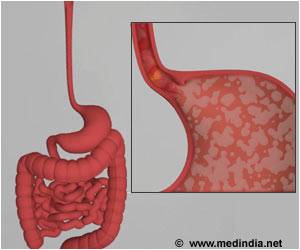
Risks of Treatments for Early Esophageal Cancer Compared
Risks associated with growing popularity of endoscopic resection in the treatment of localized, early stage esophageal cancer has been highlighted in a new study.
Risks associated with growing popularity of endoscopic resection in the treatment of localized, early stage esophageal cancer has been highlighted in a new study.
 Email
Email