MEDINDIA
 English
 हिन्दी
 Español
 français
 中文
中文
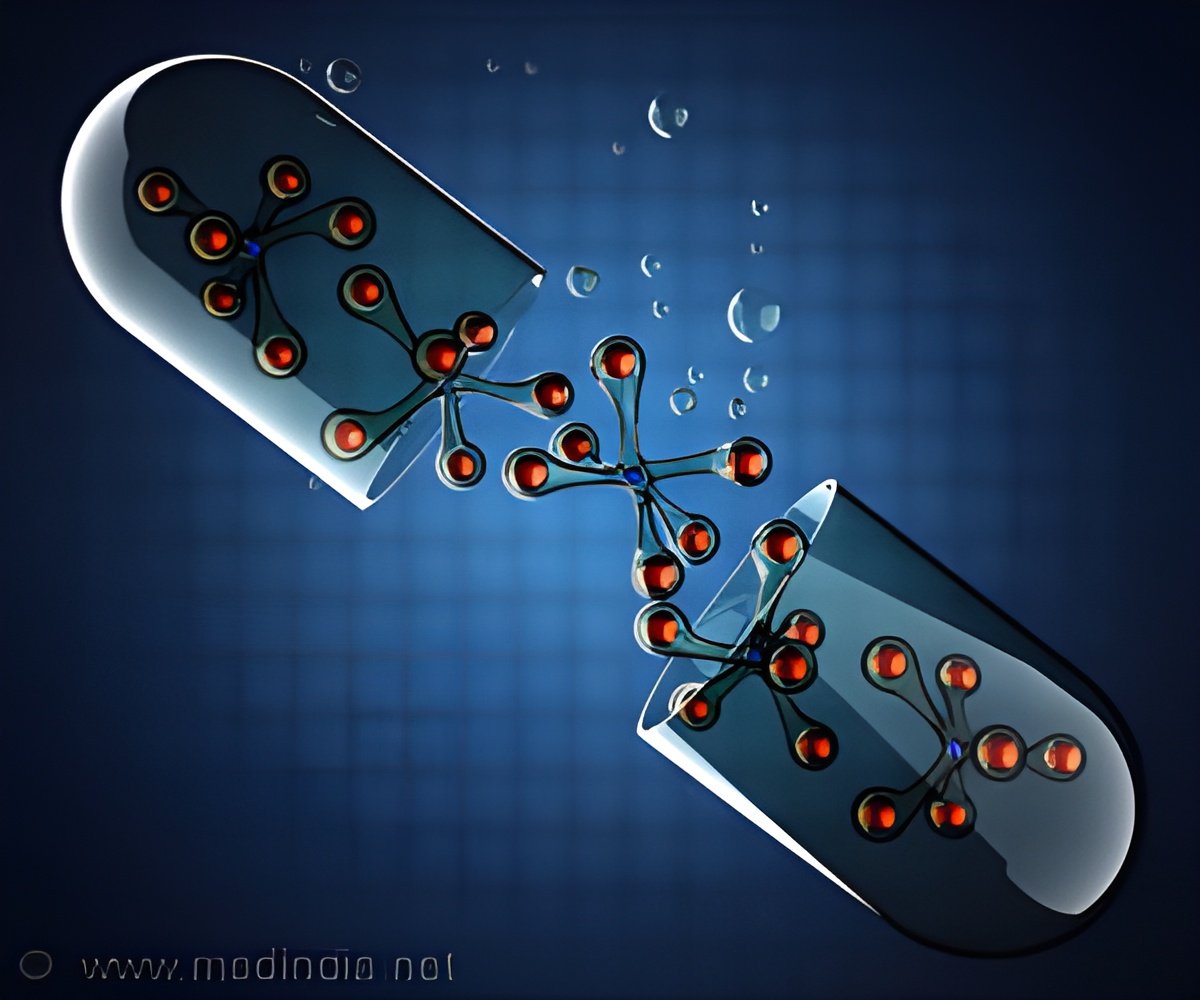
Strains of E.coli bacteria are engineered to synthesize non-natural polymers which are biomedically important for drug delivery.

Biodegradable Plastic Bags, Soda Bottles Don�t Break Down as Previously Expected
Five additives and three biodegradation methods prove that biodegradable plastics do not break down any faster than their conventional counterparts.
Five additives and three biodegradation methods prove that biodegradable plastics do not break down any faster than their conventional counterparts.
TOP INSIGHT

Renewable non-food biomass can potentially replace petrochemical raw materials to produce energy sources, useful chemicals or plastic.
In recent years, bio refineries which transform non-edible biomass into fuel, heat, power, chemicals and materials have received a great deal of attention as a sustainable alternative to decreasing the reliance on fossil fuels.
"We presented important findings that non-natural polymers such as PLGA which is commonly used for drug delivery or biomedical devices, were produced by a metabolically engineered gut bacterium," said distinguished professor and lead researcher Sang Yup Lee.

Use of Plastics may cause Miscarriages
New researches show that chemicals found in many household plastics, pesticide formulations, soft vinyl products and synthetic fragrances may increase the risk of a miscarriage.
New researches show that chemicals found in many household plastics, pesticide formulations, soft vinyl products and synthetic fragrances may increase the risk of a miscarriage.
"As climate change technology becomes more important, this research on the biological production of non-natural, high value polymers has a great impact on science and industry," noted director Ilsub Baek at the Platform Technology Division of the Ministry of Science, ICT and Future Planning of Korea.
Earth Has Entered into an 'Age of Plastic'
Plastics are pretty well everywhere on Earth, and they have such a long-lasting impact on the planet's geology because they are inert and hard to degrade.
Plastics are pretty well everywhere on Earth, and they have such a long-lasting impact on the planet's geology because they are inert and hard to degrade.

Telomere Shortening And Ageing
Telomeres are cap- like structures at chromosome ends that play an important role in ageing and in the initiation and progression of various diseases.
Telomeres are cap- like structures at chromosome ends that play an important role in ageing and in the initiation and progression of various diseases.
 Email
Email