MEDINDIA
 English
 हिन्दी
 Español
 français
 中文
中文
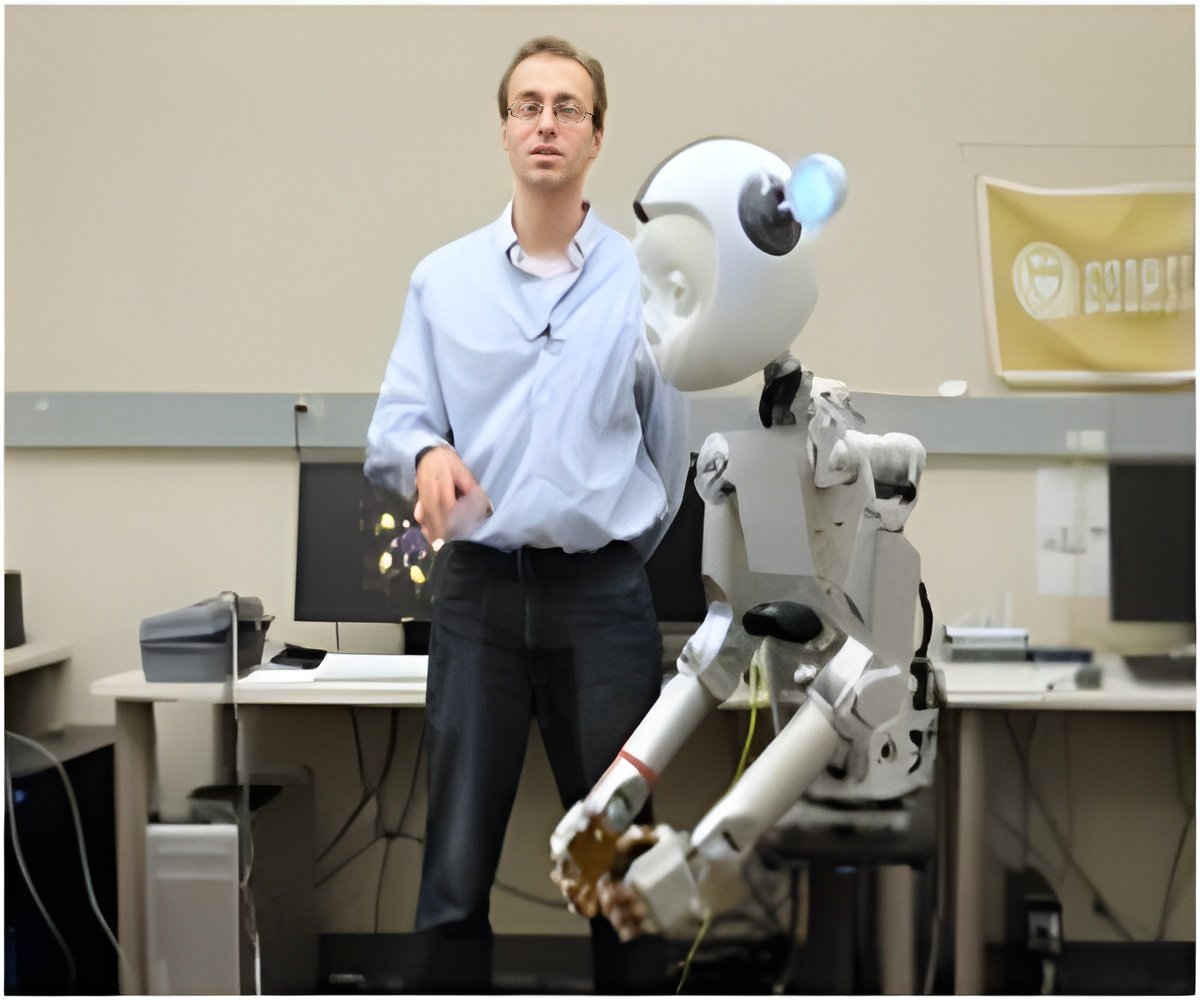
In a mathematical model, a robot was equipped with sensors and a miniature microscope to measure the color of bacteria instructing it.
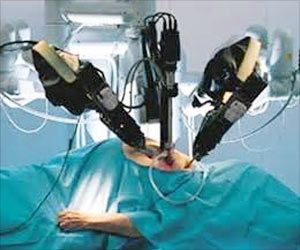
Robotic Surgeries Gaining Popularity in India: 50% of Surgeries Done by Robotic Arms
Robotic surgery is a minimally invasive surgery performed through tiny incisions that results in less blood loss, less pain and scarring and shorter hospital stay.
Robotic surgery is a minimally invasive surgery performed through tiny incisions that results in less blood loss, less pain and scarring and shorter hospital stay.
The robots will respond to bacteria he will engineer in his lab.
Ruder’s approach revealed unique decision-making behavior by a bacteria-robot system.
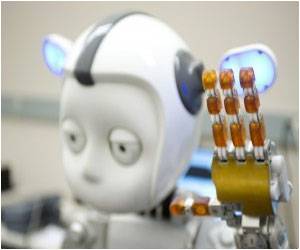
World's First 3D-Printed Robot can Take Multiple Jumps, Adapt Better with Humans
The robot, developed by American researchers, jumped more than 100 times about two-and-a-half-feet high and half-a-foot laterally during experiments.
The robot, developed by American researchers, jumped more than 100 times about two-and-a-half-feet high and half-a-foot laterally during experiments.
In the mathematical model, the robot was equipped with sensors and a miniature microscope to measure the color of bacteria instructing it where and how fast to go depending upon the pigment and intensity of color.
Microscopic Robots Drill Through Narrowest Blood Vessels To Clear Occlusions
Microswimmers are a string of iron oxide beads that is driven by an external magnetic field causing them to swim in one direction.
Microswimmers are a string of iron oxide beads that is driven by an external magnetic field causing them to swim in one direction.
On a broad scale, understanding the biochemical sensing between organisms could have far reaching implications in ecology, biology and robotics, said the paper published in the journal Scientific Reports.
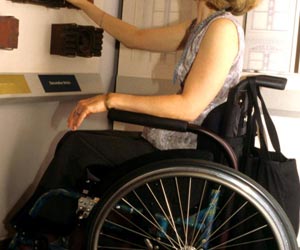
Thought-Controlled Smart Robot Helps Disabled People Visit Family, Friends
The robot enables folks who can’t move their arms and legs to virtually visit friends and family controlled via an ECG cap by the user’s thoughts.
The robot enables folks who can’t move their arms and legs to virtually visit friends and family controlled via an ECG cap by the user’s thoughts.
In health care, further understanding of bacteria’s role in controlling gut physiology could lead to bacteria-based prescriptions to treat mental and physical illnesses.
Ruder also envisions droids that could execute tasks such as deploying bacteria to remediate oil spills.
Source-IANS
 Email
Email