MEDINDIA
 English
 हिन्दी
 Español
 français
 中文
中文
The complexity of T cell repertoire following immune-depleting therapy to treat multiple sclerosis has been described by a new study which will improve our understanding of immune tolerance
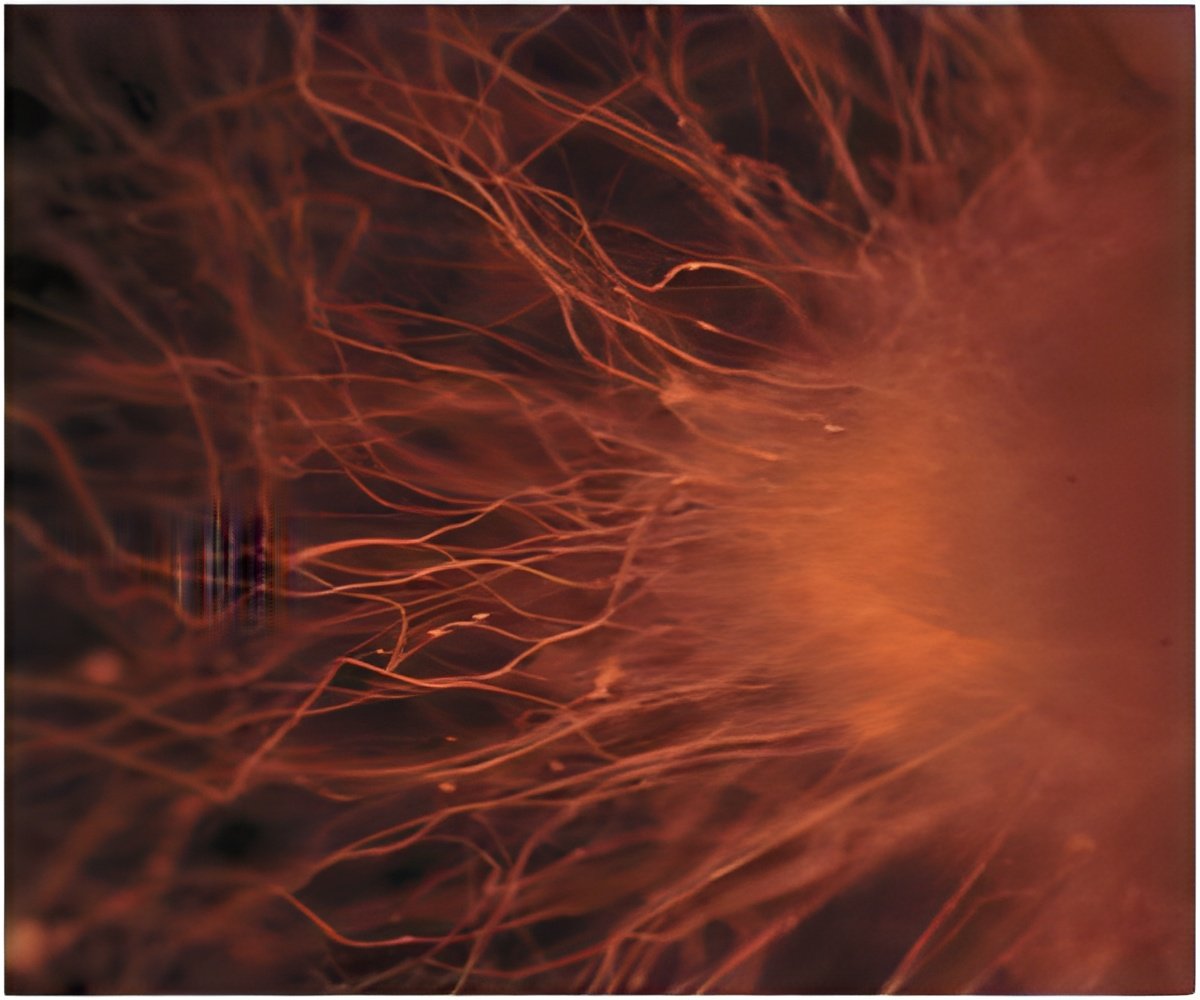

Genetic Mechanism To Convert Cells into Insulin Producers Identiied
Experimenting on mice, a research team has found a way to convert another type of pancreas cell into the critical insulin-producing beta cells, which are lost in type I diabetes patients.
Experimenting on mice, a research team has found a way to convert another type of pancreas cell into the critical insulin-producing beta cells, which are lost in type I diabetes patients.
Using this approach, alongside conventional flow cytometry, the investigators found that CD4+ and CD8+ lymphocytes exhibit different reconstitution patterns following transplantation. The scientists observed that the dominant CD8+ T cell clones present at baseline were expanded at 12 months post-transplant, suggesting these clones were not effectively eradicated during treatment. In contrast, the dominant CD4+ T cell clones present at baseline were undetectable at 12 months, and the reconstituted CD4+ T cell repertoire was predominantly comprised of new clones.
The results also suggest the possibility that differences in repertoire diversity early in the reconstitution process might be associated with clinical outcomes. Nineteen patients who responded to treatment had a more diverse repertoire two months following transplant compared to four patients who did not respond. Despite the low number of non-responders, these comparisons approached statistical significance and point to the possibility that complexity in the T cell compartment may be important for establishing immune tolerance.

NIST Cell Membrane Model may Help Detect Protein Associated With Bacterial Vaginosis
A NIST-developed model of a simplified cell membrane has been discovered by researchers, which may now accurately detect and measure protein associated with bacterial vaginosis
A NIST-developed model of a simplified cell membrane has been discovered by researchers, which may now accurately detect and measure protein associated with bacterial vaginosis

Multi billion-dollar suit filed against cell phone firm for causing brain tumours
In the United States of America, a lawyer- Peter Angelos, who won millions of dollars as compensation from the tobacco industry in Maryland, has
In the United States of America, a lawyer- Peter Angelos, who won millions of dollars as compensation from the tobacco industry in Maryland, has
 Email
Email