MEDINDIA
 English
 हिन्दी
 Español
 français
 中文
中文
The balance of bacteria and the function of immune cells in the gut changes in spaceflight, leading to increased bowel inflammation.
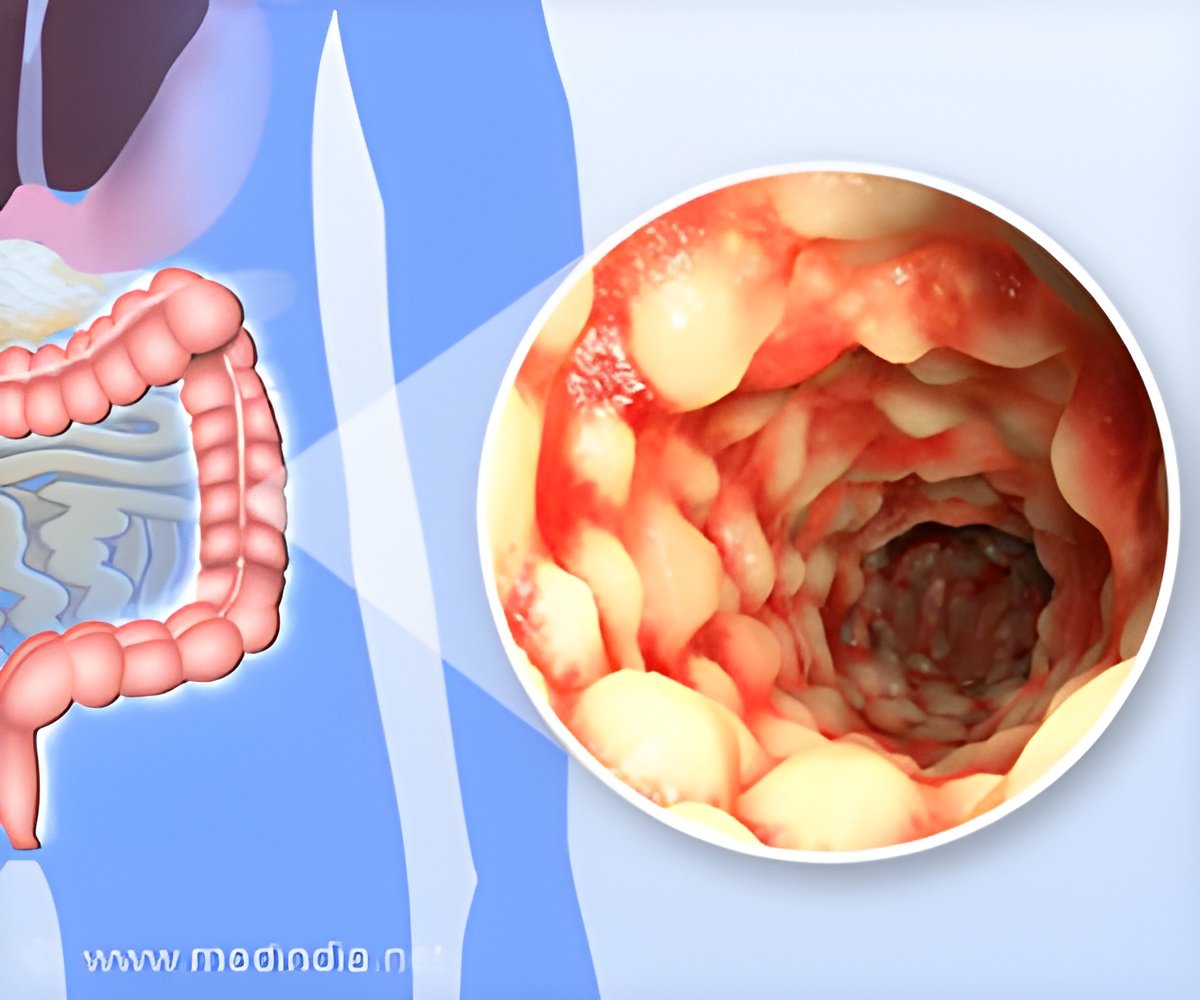

Natural Protection Against Certain Gut Diseases in Female Mice Could Lead to More Effective IBD Treatments
Researchers at Michigan State University have discovered that female mice have a natural protection against certain digestive conditions.
Researchers at Michigan State University have discovered that female mice have a natural protection against certain digestive conditions.
Two groups of mice were suspended for 14 days by the tail at a 15 degree head-down tilt with their hind limbs suspended.
Access to food and water was ensured using both water bottles and gel packs and food distributed around the floor of the cage.

Researchers Find 71 New Genetic Regions Linked With IBD
An additional 71 genetic regions have been identified by researchers to be linked with inflammatory bowel disease (IBD), bringing the total amount of such genetic regions to 163.
An additional 71 genetic regions have been identified by researchers to be linked with inflammatory bowel disease (IBD), bringing the total amount of such genetic regions to 163.
The researchers found that when mice were subjected to spaceflight-like conditions, the balance of bacteria and the function of immune cells in the gut changed, leading to increased bowel inflammation.
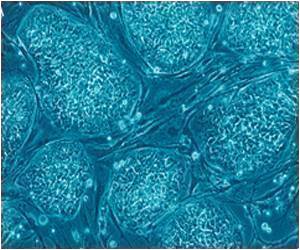
Source of Stem Cells That can Repair Gut Damage Following IBD Identified
A joint study has identified the source of gut stem cells which can repair a type of inflammatory bowel disease when transplanted into mice.
A joint study has identified the source of gut stem cells which can repair a type of inflammatory bowel disease when transplanted into mice.
"Now we learn that the hidden passengers on that mission -- the bacteria in their gut --will be affected as well. This lends further credence to the fact that life on Earth, including the microbiome, evolved under gravity and needs it to thrive," Weissmann noted.

Study Says IBD Travelers are Not at Higher Risk of Contracting Intestinal Infections
A new study has found that inflammatory bowel disease (IBD) travelers have an increased risk of illness during trips to industrialized countries
A new study has found that inflammatory bowel disease (IBD) travelers have an increased risk of illness during trips to industrialized countries
 Email
Email