MEDINDIA
 English
 हिन्दी
 Español
 français
 中文
中文
A medication which is used to treat acne may help ward off serious bacterial infections in kidney patients undergoing dialysis, new research finds.

Dialysis - Hemodialysis, Peritoneal Dialysis and Role of Diet and Drugs
Dialysis is an artificial process for removing excess water and waste from the blood. Hemodialysis and peritoneal dialysis are the types of dialysis.
Dialysis is an artificial process for removing excess water and waste from the blood. Hemodialysis and peritoneal dialysis are the types of dialysis.
Among the major findings:
- Patients were less likely to get a bacterial infection with minocycline-EDTA locks compared to heparin locks.
- During a 90 day period, bacterial infections developed in the catheters of 19 patients in the heparin group compared with only five patients in the minocycline-EDTA group.
- The catheters in the two groups functioned similarly well.
"When a dialysis clinic cannot achieve lower rates of catheter-related bacterial infections with routine catheter care protocols, the use of a catheter lock solution of minocycline-EDTA may be the next step to reduce this major complication, without the apprehension of developing bacterial resistance to systemic antibiotics," said Dr. Campos.

Portable, Less Costly Peritoneal Dialysis Pose No Catheter Infection Risk
Patients with end-stage renal disease who opt for peritoneal dialysis experience no greater risk of catheter infection than those who undergo hemodialysis.
Patients with end-stage renal disease who opt for peritoneal dialysis experience no greater risk of catheter infection than those who undergo hemodialysis.
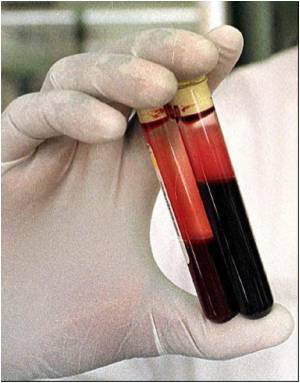
Bacterial Infection Proves Fatal
Contaminated intravenous feeding bags have caused the death of nine patients in Alabama, confirmed the Alabama Department of Public Health.
Contaminated intravenous feeding bags have caused the death of nine patients in Alabama, confirmed the Alabama Department of Public Health.
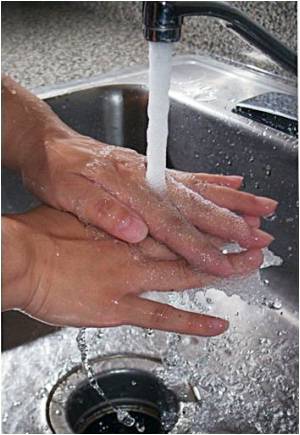
Washing Hands With Liquid Soap Can Increase Bacterial Infection
People who wash their hands with contaminated soap from bulk-soap-refillable dispensers can increase the number of disease-causing microbes on their hands.
People who wash their hands with contaminated soap from bulk-soap-refillable dispensers can increase the number of disease-causing microbes on their hands.
 Email
Email