MEDINDIA
 English
 हिन्दी
 Español
 français
 中文
中文
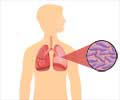
Tuberculosis is a curable and preventable disease caused by the bacterium Mycobacterium tuberculosis and most often affects the lungs of infected individuals.
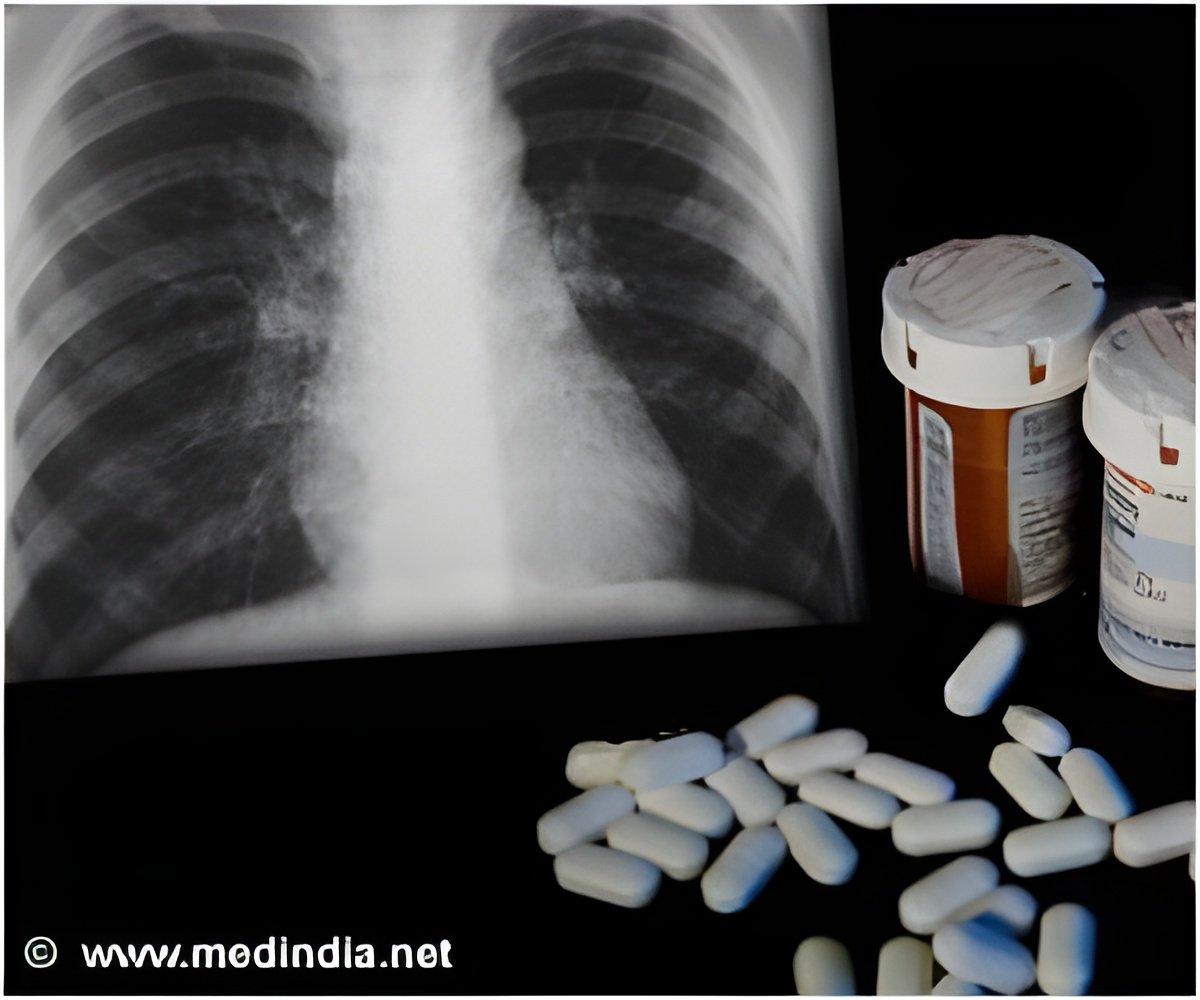

Survey Shows Fake Tuberculosis Drugs Rampant
According to a recent survey, Africa, India and other developing countries are awash in fake or sub-standard drugs for tuberculosis.
According to a recent survey, Africa, India and other developing countries are awash in fake or sub-standard drugs for tuberculosis.
TOP INSIGHT

The Cochrane review points out that fixed-dose combinations have similar efficacy to single-drug formulations for treating people with newly diagnosed pulmonary tuberculosis.
The review authors assessed the safety of the FDC regime, its acceptability by the patient, and its ability to treat pulmonary TB in newly-diagnosed adults versus single-drug formulations. They searched the available literature up to 20 November 2015 and included 13 randomized controlled trials with 5824 participants, and compared FDCs with single-drug formulations in adults aged 15 years or more.
The included trials were published between 1987 and 2015, and included participants in treatment with newly-diagnosed pulmonary TB in countries with high TB prevalence. Only two trials reported the HIV status of included participants.
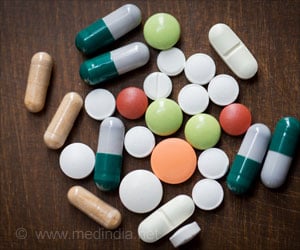
Dip in Stocks of TB Drugs in India, Says WHO
There is a dip in the buffers stock of anti-tuberculosis (TB) drugs in India, says the World Health Organization.
There is a dip in the buffers stock of anti-tuberculosis (TB) drugs in India, says the World Health Organization.
Furthermore, the review showed little or no difference in serious adverse effects or events that led to discontinuation of therapy between the two regimes. Regarding TB diagnosis, there was little or no difference in sputum smear or culture conversion. The review authors concluded that FDCs have similar efficacy to single-drug formulations for treating people with newly diagnosed pulmonary TB. The findings support current recommendations for FDCs for pulmonary TB.

Two-drug Combination Shows Promise Against Tuberculosis
Two drugs show promising results against tuberculosis (TB) - a disease that kills 2 million people annually, reports scientist.
Two drugs show promising results against tuberculosis (TB) - a disease that kills 2 million people annually, reports scientist.
Private Market for Tuberculosis Drugs
It is quite clear that tuberculosis (TB) is widely considered a public health concern and its treatment a public sector responsibility.
It is quite clear that tuberculosis (TB) is widely considered a public health concern and its treatment a public sector responsibility.
 Email
Email