MEDINDIA
 English
 हिन्दी
 Español
 français
 中文
中文
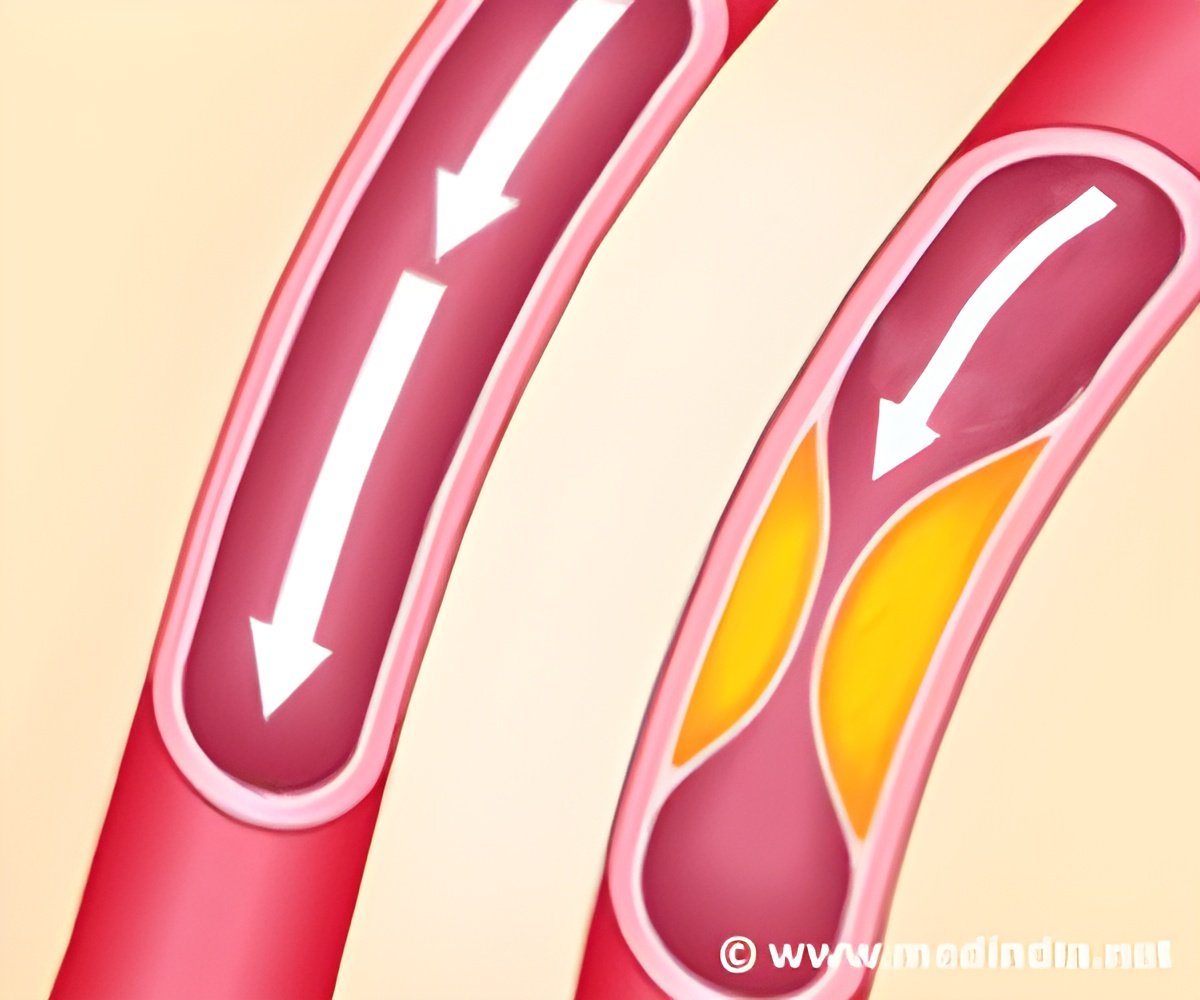
The protein called ALK1 facilitated low-density lipoprotein pathway into cells. ALK1 directly bound to the lipoprotein and aided the transportation of LDL from blood into tissue.
New Vaccine More Effective To Lower Bad LDL Cholesterol Than Statins
Statins that are prescribed to lower cholesterol have some serious side effects. But the new vaccine has been found to be more powerful than statins.
Statins that are prescribed to lower cholesterol have some serious side effects. But the new vaccine has been found to be more powerful than statins.
TOP INSIGHT

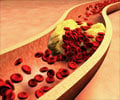
The protein called ALK1 is an LDL-binding protein that initiates the early phases of atherosclerosis. A therapeutic approach to block ALK1 could help prevent atherosclerosis.
The researchers found that a protein called ALK1 facilitated LDL's pathway into cells. "We confirmed that ALK1 directly binds to LDL," said William C. Sessa, senior author and the Alfred Gilman Professor of Pharmacology and professor of medicine (cardiology). The team also determined that the "LDL-ALK1 pathway" aided the transport of LDL from blood into tissue.
The role of ALK1 in LDL accumulation was not previously known, said Sessa.
Reimbursement Systems may Influence attainment of LDL Cholesterol Targets
There is a noticeable variation in the achievement of LDL cholesterol targets between different European countries, Dr Gitt revealed
There is a noticeable variation in the achievement of LDL cholesterol targets between different European countries, Dr Gitt revealed
A therapeutic that blocks ALK1 "would be a unique strategy for reducing the burden of atherosclerosis and be synergistic with lipid- lowering therapies," Sessa noted.

DNA is Not Destiny - Following a Healthy Lifestyle Reduces Genetic Heart Attack Risk
Even among those at high genetic risk, following a healthy lifestyle can cut in half the probability of a heart attack or similar event.
Even among those at high genetic risk, following a healthy lifestyle can cut in half the probability of a heart attack or similar event.
The study was published in Nature Communications.

60 Grams of Walnuts a Day Keep Heart Diseases At Bay!
Walnuts have a great potential to reduce LDL cholesterol, diastolic blood pressure and inflammation that are associated with cardiovascular diseases.
Walnuts have a great potential to reduce LDL cholesterol, diastolic blood pressure and inflammation that are associated with cardiovascular diseases.
 Email
Email