MEDINDIA
 English
 हिन्दी
 Español
 français
 中文
中文
Cardiac arrests occur most often in recreational sports centers. It is estimated that having a fatal arrhythmia is three times higher in athletes than non-athletes.

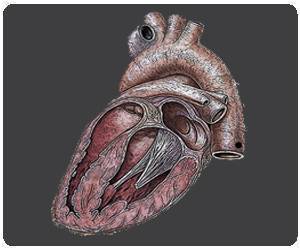
Noninvasive Measurement may Help Predict Heart Failure in General Population
A novel, non-invasive measurement of arterial wave reflections may be able to predict who is most at risk for heart failure, a new study has said.
A novel, non-invasive measurement of arterial wave reflections may be able to predict who is most at risk for heart failure, a new study has said.
TOP INSIGHT

Interventions about Automatic external defibrillators (AEDs) use need to be provided to prevent sudden deaths in amateur sports and fitness centers.
"The chance of survival decreases with every passing minute in which defibrillation is not performed."
AEDs can be used by emergency medical personnel and untrained members of the public to apply an external shock. Closer proximity and prompter use of AEDs improves the probability of survival.
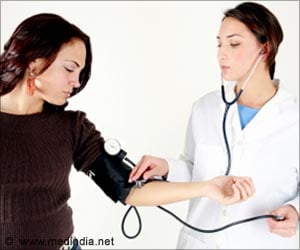
High Blood Pressure in Young Adults Increases Risk of Heart Failure in Later Life
Mildly elevated blood pressure begins to fuel heart damage in people as young as 20 years and can lead to changes in heart muscle function in 25 years.
Mildly elevated blood pressure begins to fuel heart damage in people as young as 20 years and can lead to changes in heart muscle function in 25 years.
Progetto Vita (Project Life) evaluated the impact of AED purchase by amateur sports centers on survival from sudden cardiac arrest.
Trastuzumab Linked With Heart Failure in Older Women With Breast Cancer
A new study reveals that treating breast cancer in older women with adjuvant trastuzumab may increase the risk of heart failure.
A new study reveals that treating breast cancer in older women with adjuvant trastuzumab may increase the risk of heart failure.
Resuscitation, survival rates, and response times were compared between centers with and without AEDs.

Early Diagnosis & Effective Treatment of Heart Failure in Children
Heart failure in children is an important cause of childhood health problems and death.
Heart failure in children is an important cause of childhood health problems and death.
Onsite AED use significantly reduced the time to first shock from 7.3 to 3.3 minutes (p=0.001). Neurologically intact survival was 93% for patients treated with an onsite AED compared to 9% without an AED (p<0.001).
The investigators calculated that 19 AEDs were needed to prevent one death or adverse neurological outcome from sudden cardiac arrest.
Dr Penela said: "Our results clearly show that the presence of an AED saves lives. Out of 15 patients who suffered a cardiac arrest in centers with an AED, 14 survived and had no neurological damage (93%). That compares to just one survivor without neurological damage out of 11 cardiac arrests in centers without an AED (9%)."
Dr Daniela Aschieri, chief of Progetto Vita, said: "We also found the quicker the AED was used, the greater the chance of survival. Additionally, the probability of survival was higher when a member of the public used the AED rather than waiting for medical assistance."
Dr Aschieri concluded: "Onsite AEDs provide an excellent neurologically intact survival rate for exercise-related cardiac arrest. An AED is a safe tool, even when used by an untrained citizen. In light of our results we recommend that AEDs be acquired by amateur sports and fitness centers. Educational programmes should be conducted to increase awareness about the issue of sudden death and provide basic knowledge about AED use."
Source-Eurekalert
 Email
Email