MEDINDIA
 English
 हिन्दी
 Español
 français
 中文
中文
Acne is linked with poor dietary habits, increased stress and harsh skincare routines. Acne is one of the most common reasons why people with skin issues contact a dermatologist.
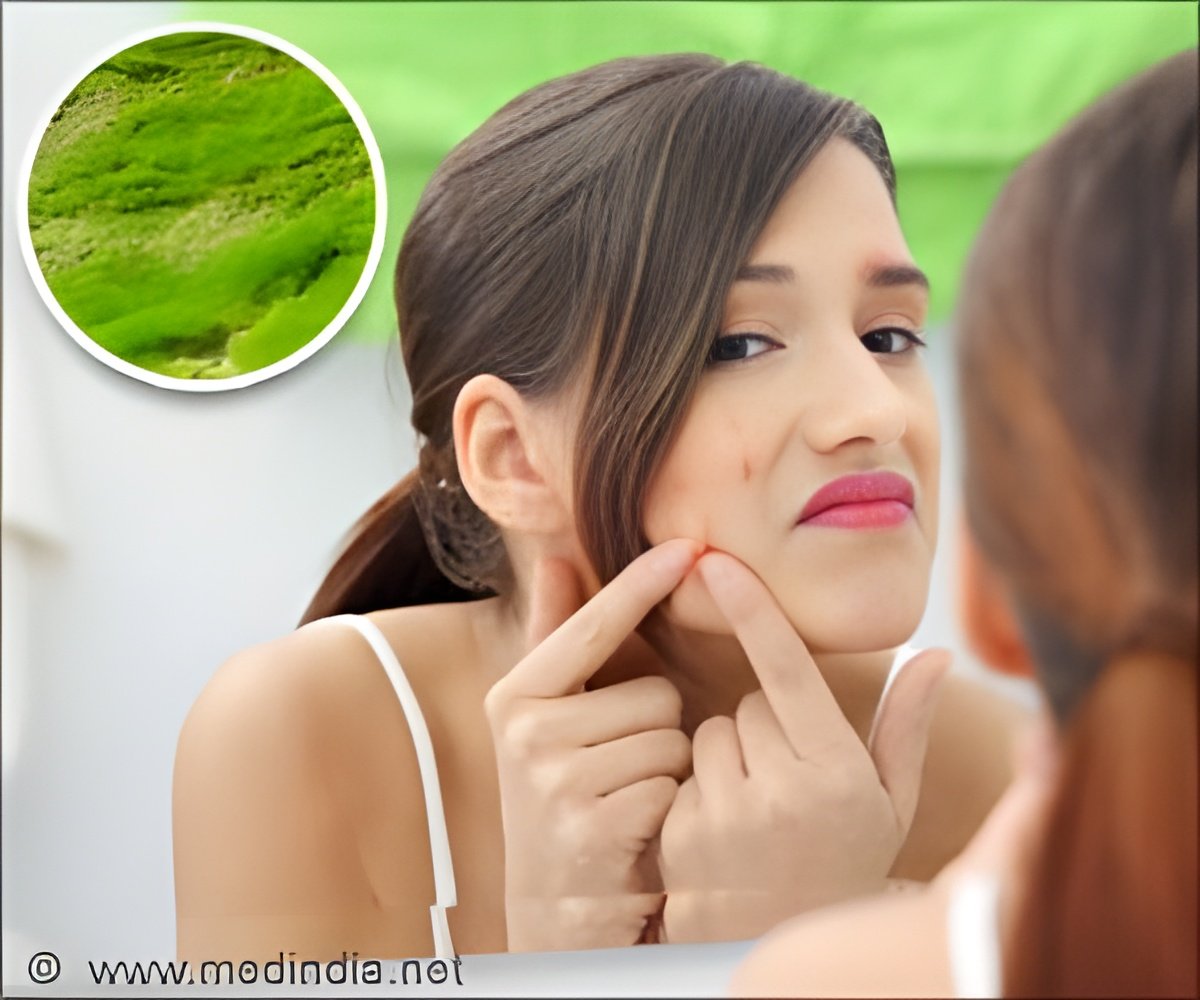
Your Pillowcase Might Be Causing Your Acne Breakouts
The state of your pillowcases may affect your acne. The pillowcase on which, you sleep might be the culprit of your failed beauty care regimen. Read this article to know how pillowcases can cause acne.
The state of your pillowcases may affect your acne. The pillowcase on which, you sleep might be the culprit of your failed beauty care regimen. Read this article to know how pillowcases can cause acne.
TOP INSIGHT

Understanding, identifying, and reducing the impact of exposome is essential for adequate acne disease management as it may impact on the course and severity of acne as well as on treatment efficacy.
Read More..
Commenting on the findings, lead researcher Professor Brigitte Dréno conducting the research on behalf of Vichy Laboratories states: "Acne is one of the most common reasons why people with skin issues contact a dermatologist. Its severity and response to treatment may be influenced by internal and external factors, which we call the exposome. For the first time, this study allows us to identify the most important exposome factors relating to acne from patient questioning prior to any treatment prescription." Exposure to pollution or stress was also more frequently observed in participants with acne compared to control participants. The research also found that harsh skincare practices were more common in acne sufferers.
Conversely, tobacco, which has previously been showed as a potential acne trigger, was not shown to have an influence. Acne is estimated to affect one in 10 people globally, making it the eighth-most prevalent disease worldwide. It has been recently reported that acne also affects up to 40% of adult females. Due to its visible nature, acne has a significant psychological impact on the patient's quality of life and self-esteem. Sufferers have been shown to have higher levels of anxiety than the general population, feel socially isolated and have a lower chance of being selected for employment.
Acne - Causes Symptoms Diagnosis Treatment FAQs Videos Glossary Reference
Acne vulgaris, popularly known as ‘pimples’ or ‘zits’ is a skin condition affecting most teenagers.
Acne vulgaris, popularly known as ‘pimples’ or ‘zits’ is a skin condition affecting most teenagers.
Source-Eurekalert
Top 10 Ways to Clear Acne
Living with acne can be tough, but not anymore. Here we bring you the 10 best ways to deal with acne.
Living with acne can be tough, but not anymore. Here we bring you the 10 best ways to deal with acne.

About Gout
High levels of uric acid in blood and recurring attacks of joint inflammation are the main symptoms of gout. Lifestyle changes like weight loss, increasing fluid intake and dietary changes can help.
High levels of uric acid in blood and recurring attacks of joint inflammation are the main symptoms of gout. Lifestyle changes like weight loss, increasing fluid intake and dietary changes can help.
 Email
Email