MEDINDIA
 English
 हिन्दी
 Español
 français
 中文
中文
Menstrual cramps, or Primary dysmenorrhea (PDM) may cause abnormal changes in the brain structure, scientists have said.


What is Menopause?
Menopause is defined as the state of permanent cessation of menstrual cycles (periods) for 12-months.
Menopause is defined as the state of permanent cessation of menstrual cycles (periods) for 12-months.
Researchers found significant GM (gray matter) volume changes in the patients' anatomical maps.
Abnormal decreases were found in regions involved in pain transmission, higher level sensory processing, and affect regulation while increases were found in regions involved in pain modulation and in regulation of endocrine function.

About Hot Flash
The frequency of the hot flash can be from 1 to 2 two hot flashes a week to 10 or greater in a day. The silver lining is that it usually decreases over time.
The frequency of the hot flash can be from 1 to 2 two hot flashes a week to 10 or greater in a day. The silver lining is that it usually decreases over time.
Source-ANI
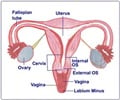
Vaginal Bleeding
Normal vaginal bleeding begins in the early teens and goes on till a woman’s mid-life. It is the bloody discharge from the uterus during menstruation.
Normal vaginal bleeding begins in the early teens and goes on till a woman’s mid-life. It is the bloody discharge from the uterus during menstruation.

Hormone Replacement Therapy
Hormone Replacement Therapy can be likened to an ‘oasis in the desert’ for women in the throes of menopause.
Hormone Replacement Therapy can be likened to an ‘oasis in the desert’ for women in the throes of menopause.
 Email
Email