MEDINDIA
 English
 हिन्दी
 Español
 français
 中文
中文
Rome has a new walk on its historical tourism circuit. It is a virtual stroll through the streets of the ghetto to which Jews were confined for more than three centuries.

Virgin Galactic's Crash Sets Back Space Tourism by Years
The deadly crash of Virgin Galactic's spacecraft has dealt a devastating setback to the cause of space tourism, delaying the first commercial flights to the stars by years, reveal experts.
The deadly crash of Virgin Galactic's spacecraft has dealt a devastating setback to the cause of space tourism, delaying the first commercial flights to the stars by years, reveal experts.
The walls built around it were pulled down in 1888 and most of the buildings inside the enclosure also quickly disappeared as Rome underwent rapid change in line with its new status as national capital.
Many of the ghetto buildings had been extended upwards in a bid to cope with chronic overcrowding and a ban on horizontal expansion, ensuring some of the streets rarely saw the sun.

Record Tourism Numbers in Spain in August
Spain has the highest ever figure in foreign visitors for a single month, just over nine million in August, said the government said Monday.
Spain has the highest ever figure in foreign visitors for a single month, just over nine million in August, said the government said Monday.
Working out which building was where and what they looked like required an eight-strong team of archaeologists, architectural and art historians and software experts who worked full-time for almost a year to establish a data-base on which the display is based.
Italian Doctor With Ebola Has Been Isolated at Rome Hospital
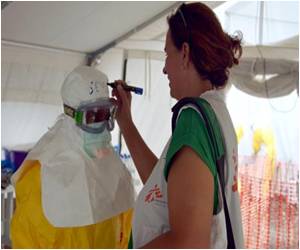
The first Italian to contract Ebola, a doctor, arrived in Rome Tuesday from Sierra Leone for specialist treatment in an infectious diseases hospital.
The first Italian to contract Ebola, a doctor, arrived in Rome Tuesday from Sierra Leone for specialist treatment in an infectious diseases hospital.
Roesler Franz is best known for a collection of 120 water colours entitled "Roma sparita" (disappeared Rome) which documented the new capital's modernisation.
Growth of World Tourism Numbers is Up 4.6 Percent in First Half: UN
International tourist numbers grew 4.6 percent, boosted by strong growth in the Americans, Asia and parts of Europe, in the first half of 2014, the World Tourism Organization said Wednesday.
International tourist numbers grew 4.6 percent, boosted by strong growth in the Americans, Asia and parts of Europe, in the first half of 2014, the World Tourism Organization said Wednesday.
Museum directors are discussing whether the 3D vision of the ghetto will be made available online or remain exclusively for visitors.
Source-AFP
 Email
Email