MEDINDIA
 English
 हिन्दी
 Español
 français
 中文
中文
It is highly challenging to decipher the body's complex molecular pathways that lead to disease when they malfunction.
Gilbert’s Syndrome-Causes-Symptoms-Complications-Prognosis-Diagnosis-Treatment
Gilbert’s syndrome is a common, mild liver disease in which a liver enzyme required to process bilirubin is abnormal. Treatment is unnecessary.
Gilbert’s syndrome is a common, mild liver disease in which a liver enzyme required to process bilirubin is abnormal. Treatment is unnecessary.
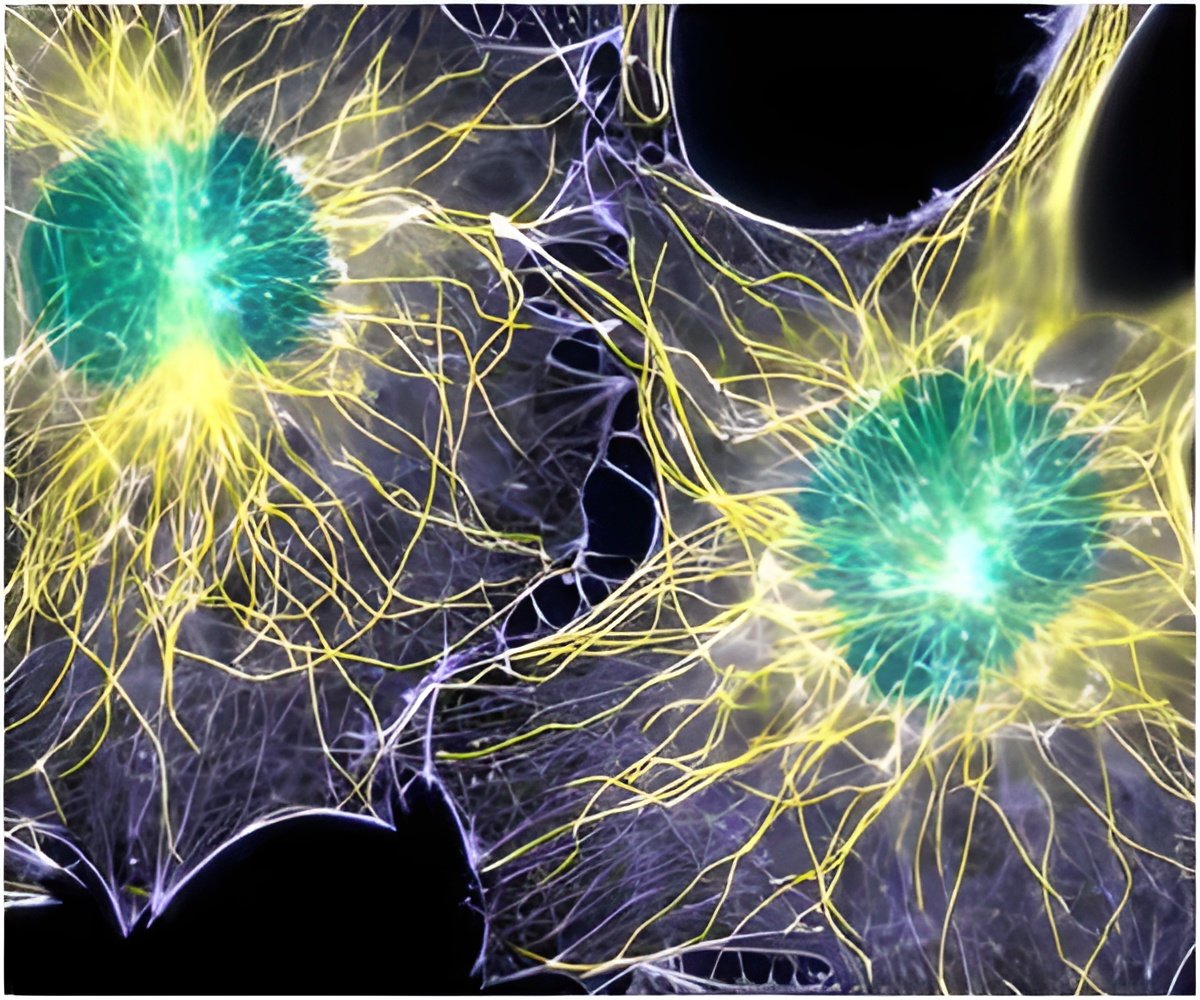
"The mTORC1 pathway is a major complex important not only for cancer but also for metabolic homeostasis," said Diaz-Meco. "For that reason, it's very important to unravel the mechanism that controls how mTORC1 responds to the different signals."
"mTORC1 responds to many growth signals," she added, "but the specific mechanisms that channel the activation of mTORC1 by nutrients such as amino acids and glucose are still not completely understood. Our goal was to discern the specific mechanisms that regulate this important pathway."

Gout and Diet - Dietary Intervention - Reference
In gout excess of uric acid appears in the blood and its particles are deposited in joints as tophi.
In gout excess of uric acid appears in the blood and its particles are deposited in joints as tophi.
More work is needed to fully understand the pathway, but the researchers next plan is to find ways to disrupt the interaction between p62 and TRAF6, with the ultimate goal of inactivating mTORC1 and therefore controlling cancer progression. "Because mTORC1 is a highly important protein that regulates growth, therapies aimed at blocking mTORC1 activation may offer a new approach to treating disease," Diaz-Meco said.

Introduction to Metabolic Defects
Metabolism is the sum total of all chemical and physical changes that take place in any organism that enables it to function and grow.
Metabolism is the sum total of all chemical and physical changes that take place in any organism that enables it to function and grow.
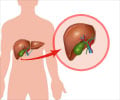
Liver Transplantation - Facts, Contraindications, Procedure, Follow up, Complications & Prognosis
Liver transplantation is a surgical option for the treatment of liver failure where the diseased liver is replaced with a healthy one.
Liver transplantation is a surgical option for the treatment of liver failure where the diseased liver is replaced with a healthy one.
 Email
Email