Diet, Lifestyle and Heart Disease
The correlation between diet, lifestyle and heart disease. The importance of balanced diet life style and exercise for controlling heart disease.
The correlation between diet, lifestyle and heart disease. The importance of balanced diet life style and exercise for controlling heart disease.
As reported in the study, Olfson and colleagues examined claims records from a large privately insured population for associations between cardiovascular events in youth with ADHD and stimulant treatment. In total 171,126 privately insured youth aged 6-21 years without known pre-existing heart-related risk factors were followed throughout the study.
The study included patients who have previously received stimulant treatment, patients currently receiving stimulant treatment, and patients who began or ceased stimulant treatments during the study period. Olfson and colleagues assessed the various groups for incidents of severe cardiovascular events such as acute myocardial infarction, less severe cardiovascular events such as cardiac dysrhythmias, and cardiovascular symptoms such as tachycardia and palpitations. Analysis showed that cardiovascular events and symptoms were rare in this cohort and not associated with stimulant use.

Olive Oil and Its Benefits - Heart-Weight Loss-Osteoporosis-Skin-Tips to Use
The anti-inflammatory and anti-oxidant properties are responsible for the health benefits of olive oil.
The anti-inflammatory and anti-oxidant properties are responsible for the health benefits of olive oil.
Advertisement

What is a heart attack / How to prevent heart attacks
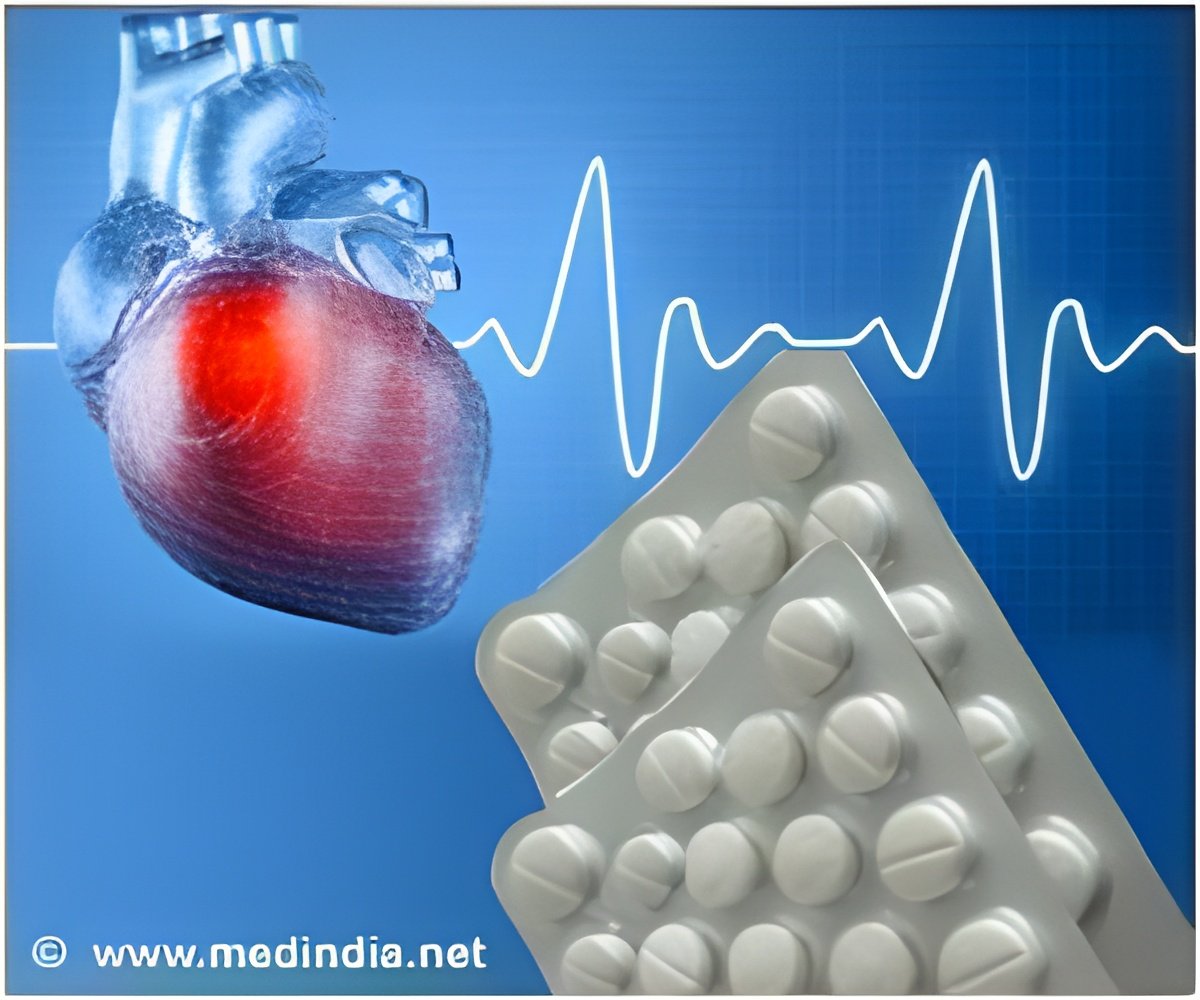
Heart attack is the death of the heart muscle due to loss of blood supply. Simple guidelines to avoid heart attack are listed.
Heart attack is the death of the heart muscle due to loss of blood supply. Simple guidelines to avoid heart attack are listed.

Animation of heart attack symptoms
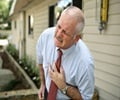
Heart attack can cause symptoms such as Chest pain or discomfort, Shortness of breath and pain in neck, back, arm, or shoulder and is due to blockage of blood supply to the heart muscles
Heart attack can cause symptoms such as Chest pain or discomfort, Shortness of breath and pain in neck, back, arm, or shoulder and is due to blockage of blood supply to the heart muscles